


Endangered Species Day (today) was created by the US Congress in 2006 to highlight the importance of wildlife preservation. It seems like a far cry from today. It was originally designed to cover all endangered organisms, including animals, plants, insects, and fungi. According to the International Union for Conservation of Nature (IUCN) Red List, more than 47,000 species are currently threatened with extinction, representing roughly 28% of all assessed.
We thought we would celebrate three of the amazing endangered species thriving in LettsSafari parks today.
The golden fritillary
The golden fritillary (Fabriciana adippe), also known in Britain as the High Brown Fritillary, is one of Europe’s most imperilled butterflies — and one of its most misunderstood. In the UK alone, it has lost over 85% of its population since the 1970s, reduced to fewer than 50 known sites, mostly clinging on in Cumbria, Devon and South Wales. What few people realise is that its fate is almost entirely bound to a single humble wildflower: the Dog Violet.
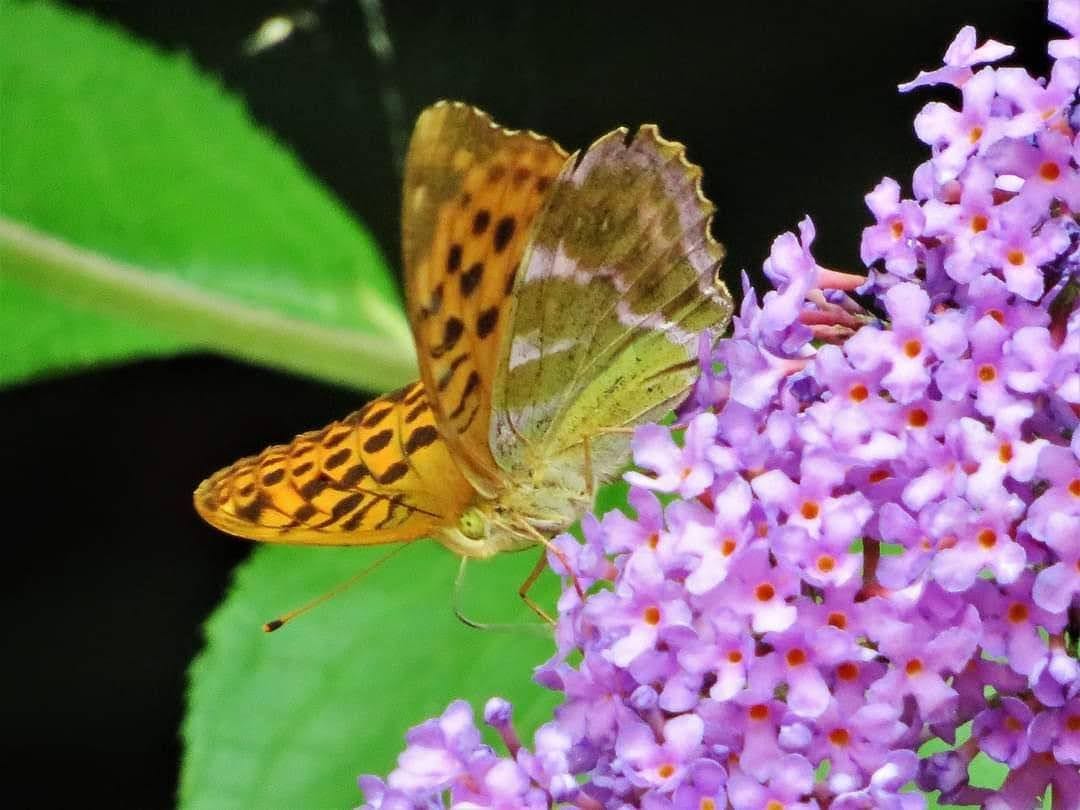
Female caterpillars, no bigger than a grain of rice when they hatch in autumn, do something extraordinary — they do not eat at all. They go straight into a months-long winter dormancy, emerging only in spring precisely timed to the moment the first violet leaves unfurl. Miss that window, and they starve. Even more surprisingly, the caterpillars are dedicated sunbathers, actively seeking out warm bracken litter to raise their body temperature and fuel their growth — a behaviour that makes south-facing slopes with open bracken canopy essential, not just preferable.
Much of the decline can be traced to the near-total abandonment of woodland coppicing across Britain; without it, the forest canopy closes, the violets disappear, and so does the butterfly. They thrive in LettsSafari’s Exeter Capability Brown gardens and its parks.
The grey long-eared bat
The grey long-eared bat (Plecotus austriacus) is one of Britain’s rarest mammals, with fewer than 1,000 individuals surviving in a handful of counties along the southern English coast — Devon, Dorset, Hampshire and the Isle of Wight marking the very northern edge of what is otherwise a common southern European species. Its most striking feature, ears nearly as long as its entire body, are rarely seen: at rest it curls them back like ram’s horns or tucks them completely under its wings.
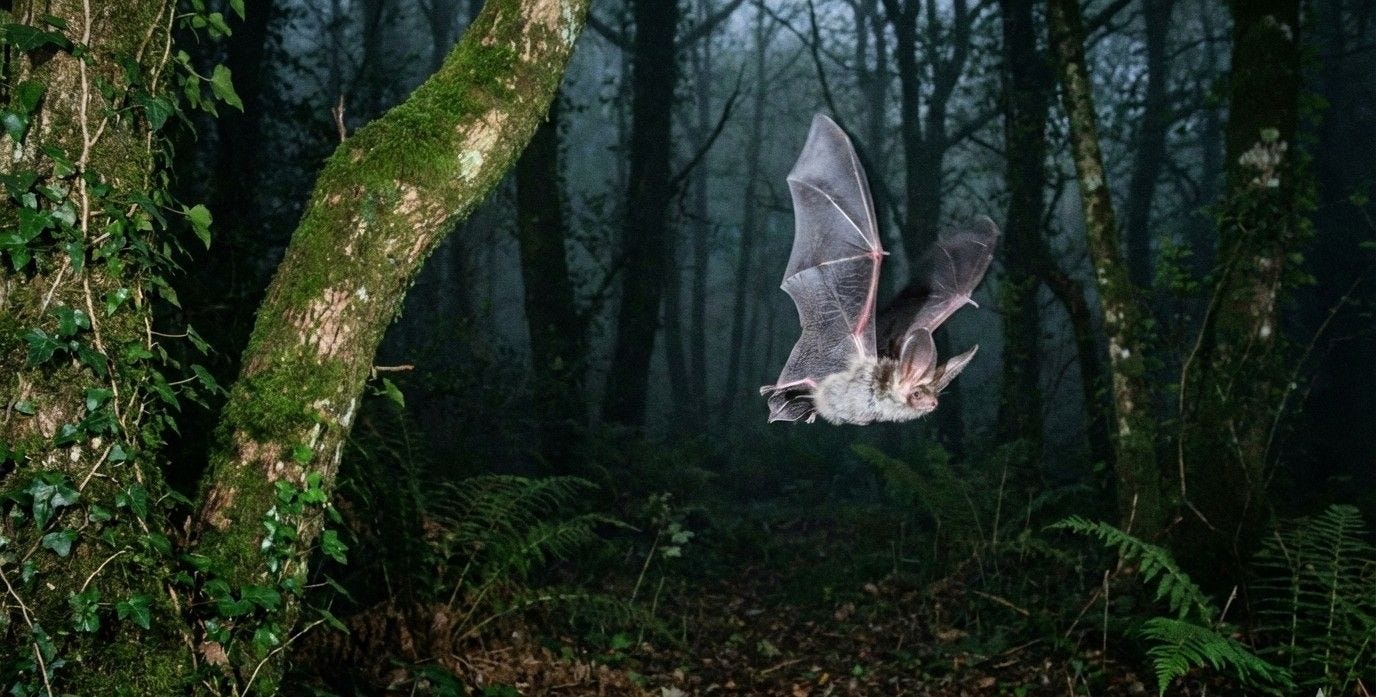
Unlike most bats, it regularly plucks non-flying insects directly from leaves and bark. Its diet is extraordinarily specialised, up to 90% pure moth, and its survival is closely tied to unimproved grasslands, a habitat that has quietly vanished from 97% of Britain since the Second World War. Grey long-eared bats were monitored by the BATS organisation in Dawlish Park. It is believed they roost in the hidden smugglers tunnels.
The water vole
The water vole (Arvicola amphibius) has suffered the most dramatic population collapse of any British mammal in living memory — a fall of over 90% — yet most people would not recognise one if they saw it, routinely mistaking it for a brown rat. Few know that Ratty, the beloved riverbank companion in The Wind in the Willows, is in fact a water vole. Its primary destroyer is the American mink, introduced for fur farming in the 1920s; female mink are precisely small enough to follow voles directly into their burrows.
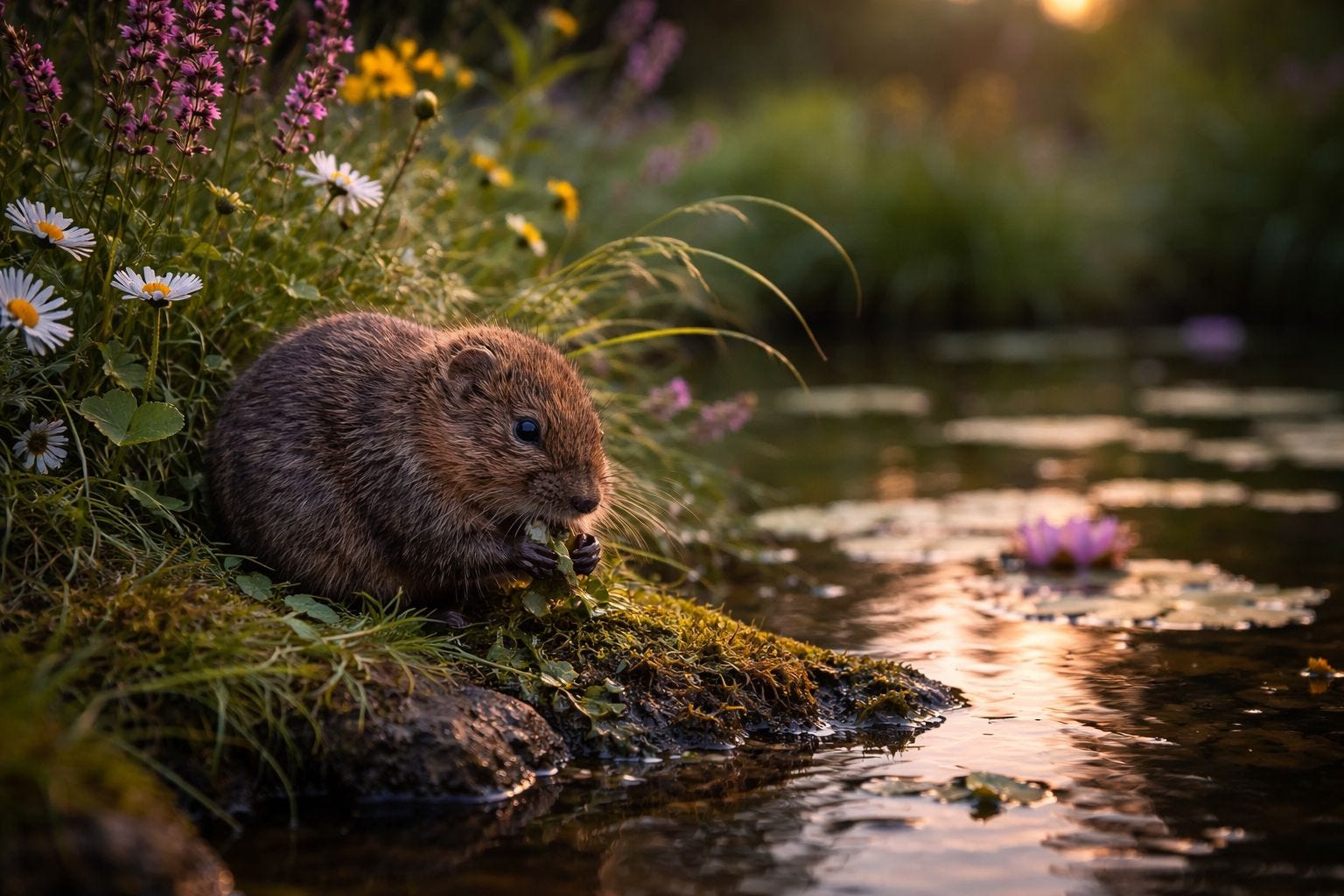
The average water vole lives only between five and eighteen months, yet compensates by raising up to three litters a season. It doesn’t hibernate — instead, it caches food underground and marks its territory with carefully arranged latrines of droppings, essentially posting “keep out” signs along the riverbank. The water voles were returned to LettsSafari’s Capability Brown gardens over a decade ago, enjoying the incredible cascade water gardens.
LettsSafari supports many other endangered species surviving in its rewilding parks and gardens. These are just a few. The work to bring them back and give them truly wild homes continues.
Get more LettsSafari updates and wildlife photos on our twitter/X. And read the latest posts at the LettsSafari + website.