


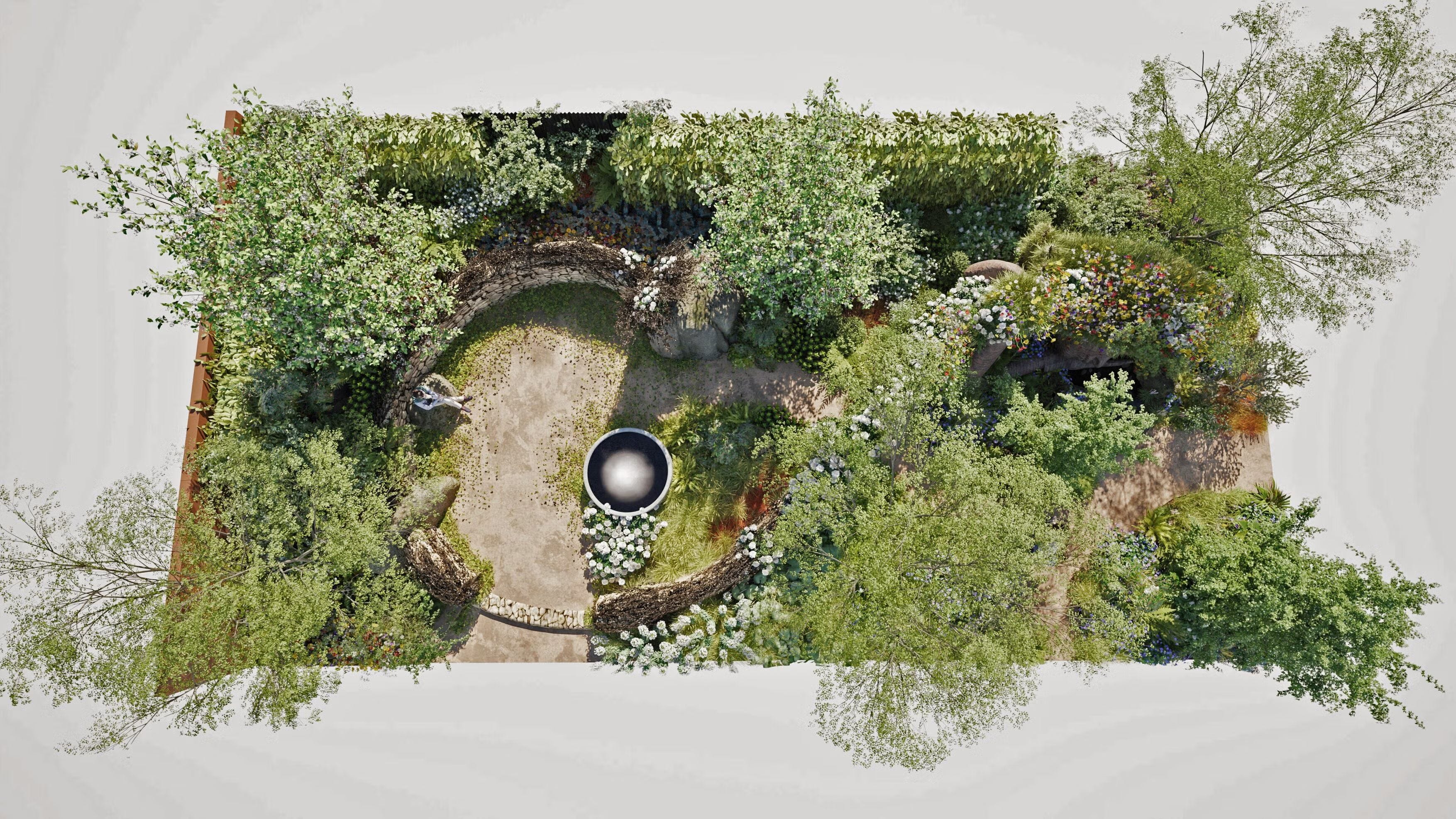
At this year’s RHS Chelsea Flower Show, one of the most talked-about gardens isn’t a polished showpiece filled with exotic plants. Instead, designer Sarah Eberle focused on something far more familiar: the forgotten edges of modern Britain.
The garden celebrated “edgelands” - the rough patches beside railway lines, behind housing estates, around industrial sites, and in neglected urban corners. These spaces are often seen as untidy or unused. But ecologists increasingly view them as vital habitats for bees, birds, insects and native plants.
This idea is incredibly relevant to ordinary gardens, balconies, courtyards, and community spaces. You do not need acres of land to support nature recovery. You just need to think differently about the space you already have. The garden’s message is simple: allowing a little more wildness into urban environments can create connected habitats across towns and cities.
How to Create an “Edgeland” at Home
The good news is that you do not need to redesign your whole outdoor space. In fact, the most effective urban rewilding often starts with doing slightly less.
1. Leave One Area Slightly Untamed
Instead of cutting every corner of your garden, allow one section to grow more naturally. This creates shelter for insects and improves soil health. Even a patch the size of a small rug can help.
2. Plant Native Species
Native UK plants support significantly more wildlife than ornamental imports. Good options include:
Oxeye daisy
Red clover
Bird’s-foot trefoil
Knapweed
Wild marjoram
These provide nectar for pollinators and food sources for caterpillars and birds.
3. Add Water - Even in Tiny Spaces
A full pond is not essential. A shallow water dish with stones for insects to land on can support biodiversity surprisingly quickly. Balconies can use mini water habitats in containers or ceramic bowls.
4. Reduce Over-Tidying
Nature thrives in complexity. Leaving seed heads through winter, allowing leaves to collect in corners, or keeping fallen branches in a habitat pile all create shelter for wildlife. The “perfect garden” aesthetic is slowly shifting toward something more natural and resilient.
5. Think in Networks, Not Perfection
One of the most powerful ideas from the Chelsea story is connectivity. You do not need to build a perfect wildlife haven alone. You are part of a wider urban ecosystem.
Your garden connects to your neighbour’s hedge.
Your balcony supports migrating pollinators.
Your local park becomes part of a chain of habitats across the city.
Small actions become meaningful when multiplied.
What LettsSafari Helps You Do
At LettsSafari, we believe rewilding should feel achievable, practical, and optimistic.
That is why we focus on:
Smaller-scale rewilding ideas for everyday spaces
Urban biodiversity tips that work in real homes
Seasonal guidance for UK gardens and balconies
Behind-the-scenes updates from active rewilding projects in Devon
Simple ways to support wildlife without needing expert knowledge
The future of nature recovery will not only happen in national parks.
It will happen street by street. Balcony by balcony. Garden by garden.
And perhaps most importantly, it will happen because ordinary people decided to leave a little more room for nature.