


We are publishing LettsSafari’s latest book exclusively at LettsSafari+ — week by week, chapter by chapter, for our members. This week you get Chapter 4.3: Shrubs, Scrub, and the Wild Corner.
Garden rewilding is a journey. We’re excited to share our journey with you through “The Nature Reserve Next Door: How to Turn Any Garden Into a Wildlife Sanctuary”.

4.3 Shrubs, Scrub, and the Wild Corner
What It Is
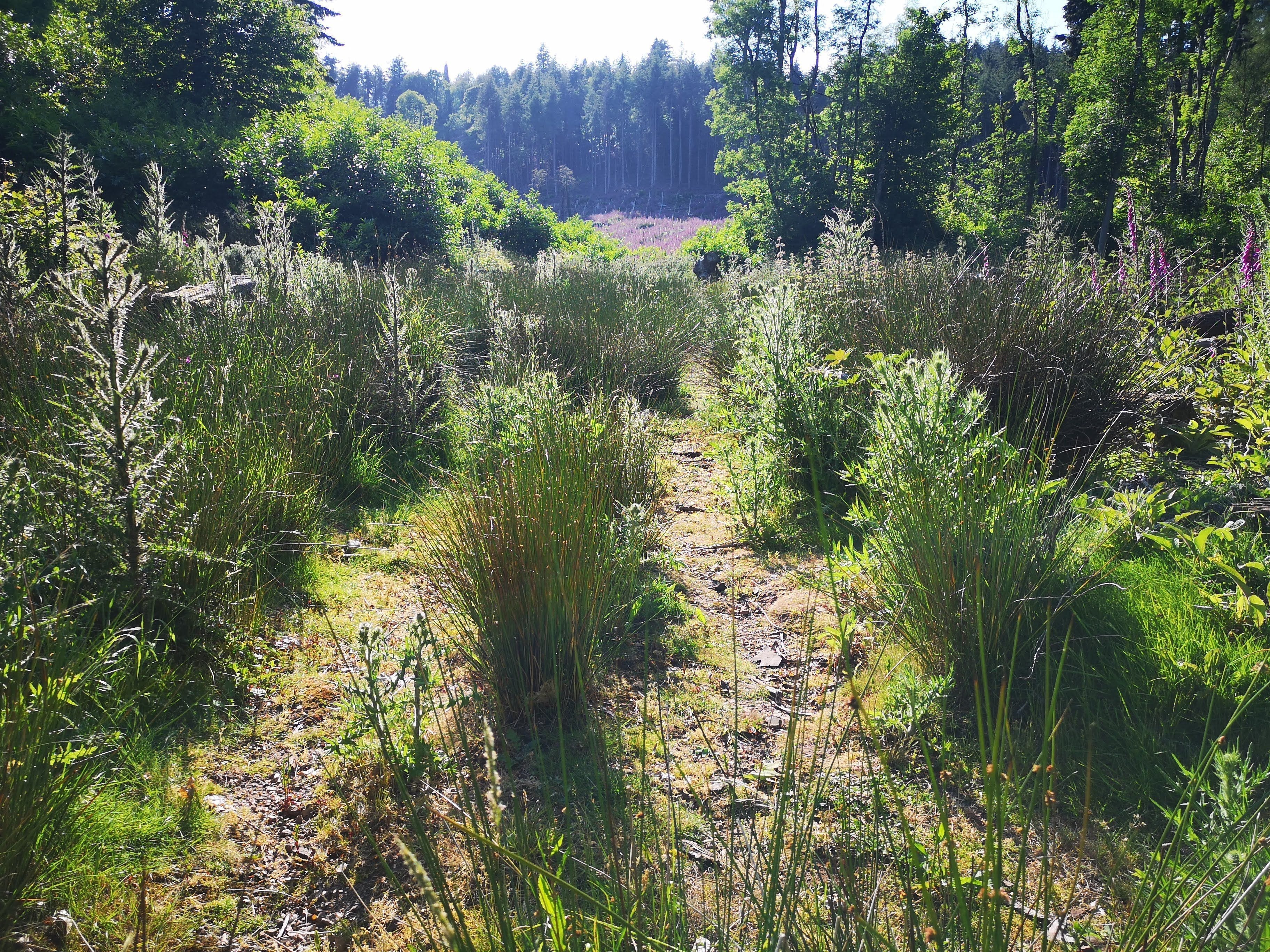
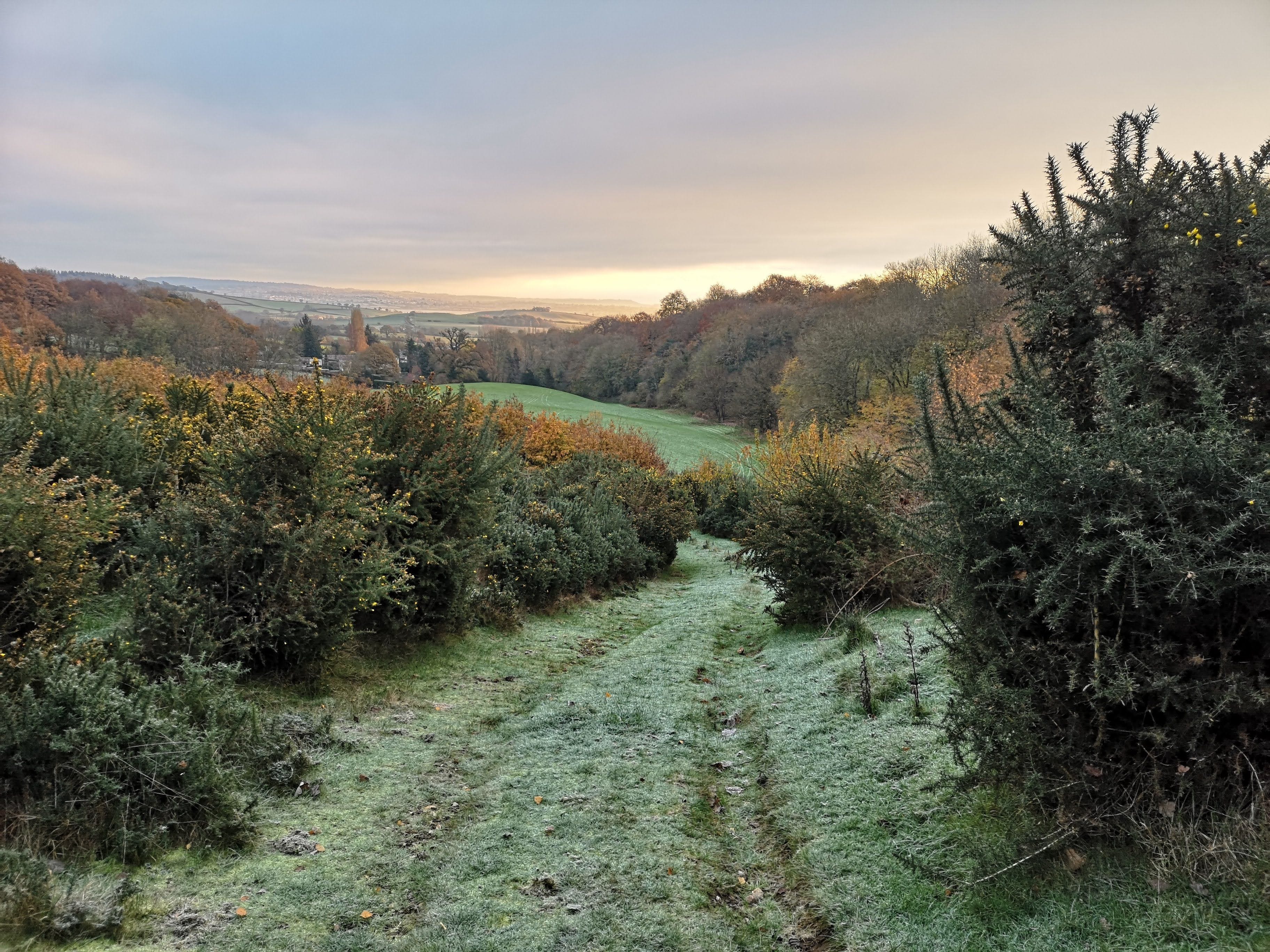
Scrub is a habitat dominated by dense, often thorny or tangled shrubs and climbers — including hawthorn, blackthorn, bramble, wild roses, gooseberry, currant, elder, and dogwood — with a rough grass understorey and a gradual transition to adjacent habitats. LettsSafari’s blueprint treats open scrub as a key macro-habitat type alongside trees and grassland, and frames it as a habitat we have ‘largely eradicated’ in managed landscapes through routine cutting, strimming, and a cultural preference for clean, open space.
In conventional garden design, shrubs are usually specimens: chosen for flower or foliage, spaced for aesthetic effect, maintained in isolation. In a rewilded garden, shrubs are community: layered, connected, diverse, and deliberately structured to create cover, food sources, and overwintering refuges that persist across seasons.
Why Scrub Is Ecologically Critical
Scrub is among the most productive habitats in the British and European temperate landscape for nesting birds, overwintering invertebrates, and berry-consuming mammals and birds. Its value comes from several interlocking characteristics:
Dense, often thorny structure provides near-impenetrable refuges from cats and other predators — a decisive factor for nesting birds in suburban gardens
Berry and fruit production in autumn provides critical energy resources for resident and migratory thrushes, warblers, robins, and blackbirds
Structural complexity — multiple layers, dead stems, bark, leaf litter at the base — provides overwintering habitat for enormous numbers of invertebrates, including many moths, beetles, and overwintering queens of solitary bees
Gradual edge transitions between scrub and meadow or grassland are where ecological richness is often highest — the so-called ‘edge effect’ that concentrates species at habitat boundaries
Key Scrub Species: Britain and Northern Europe
Hawthorn
Crataegus monogyna
UK/N. Europe
Highest wildlife value of any UK shrub; nesting; berries; moth host
Blackthorn
Prunus spinosa
UK/N. Europe
Earliest major pollen source; dense nesting cover; sloe berries
Dog rose
Rosa canina
UK/N. Europe
Nectar; nesting support; abundant hips for birds and mammals
Field rose
Rosa arvensis
UK/N. Europe
Less vigorous than dog rose; woodland edge; nectar and hips
Guelder rose
Viburnum opulus
UK/N. Europe
Berries for birds; nectar; stunning autumn colour; wetland edge
Dogwood
Cornus sanguinea
UK/N. Europe
Berries; excellent autumn colour; versatile; damp or dry
Elder
Sambucus nigra
UK/N. Europe
Nectar; elderberries; fast-growing gap-filler; 70+ insect spp.
Spindle
Euonymus europaeus
UK/N. Europe
Spectacular autumn fruit; specialist species; chalk/limestone
Bramble
Rubus fruticosus agg.
UK/N. Europe
Critical nesting, nectar, fruit, and larval host plant; unrivalled
Gooseberry
Ribes uva-crispa
UK/N. Europe
Early pollen; edible fruit; structural scrub element
Gorse
Ulex europaeus
UK/N. Europe
Year-round nectar; dense nesting cover; acid/sandy soils
Broom
Cytisus scoparius
UK/N. Europe
Major bee plant; structural colour; poor/dry soils; nitrogen-fixer
Purging buckthorn
Rhamnus cathartica
UK/N. Europe
Brimstone butterfly larval host; berries for birds; chalk soils
Alder buckthorn
Frangula alnus
UK/N. Europe
Brimstone butterfly larval host; damp/acid soils complement
Key Scrub Species: North-East North America
Serviceberry
Amelanchier canadensis
NE N. America
Outstanding early spring nectar; berries for birds; understory tree/shrub
Buttonbush
Cephalanthus occidentalis
NE N. America
Exceptional bee/butterfly nectar; aquatic/wet margin; structural
New Jersey tea
Ceanothus americanus
NE N. America
Spring nectar; nitrogen-fixer; specialist azure butterfly host plant
