


We are publishing LettsSafari’s latest book exclusively at LettsSafari+ — week by week, chapter by chapter, for our members. This week we publish Chapter 2 - Part 1: Why Rewilding Your Garden Is the Right Thing to Do.
Garden rewilding is a journey. We’re excited to share our journey with you through “The Nature Reserve Next Door: How to Turn Any Garden Into a Wildlife Sanctuary”.
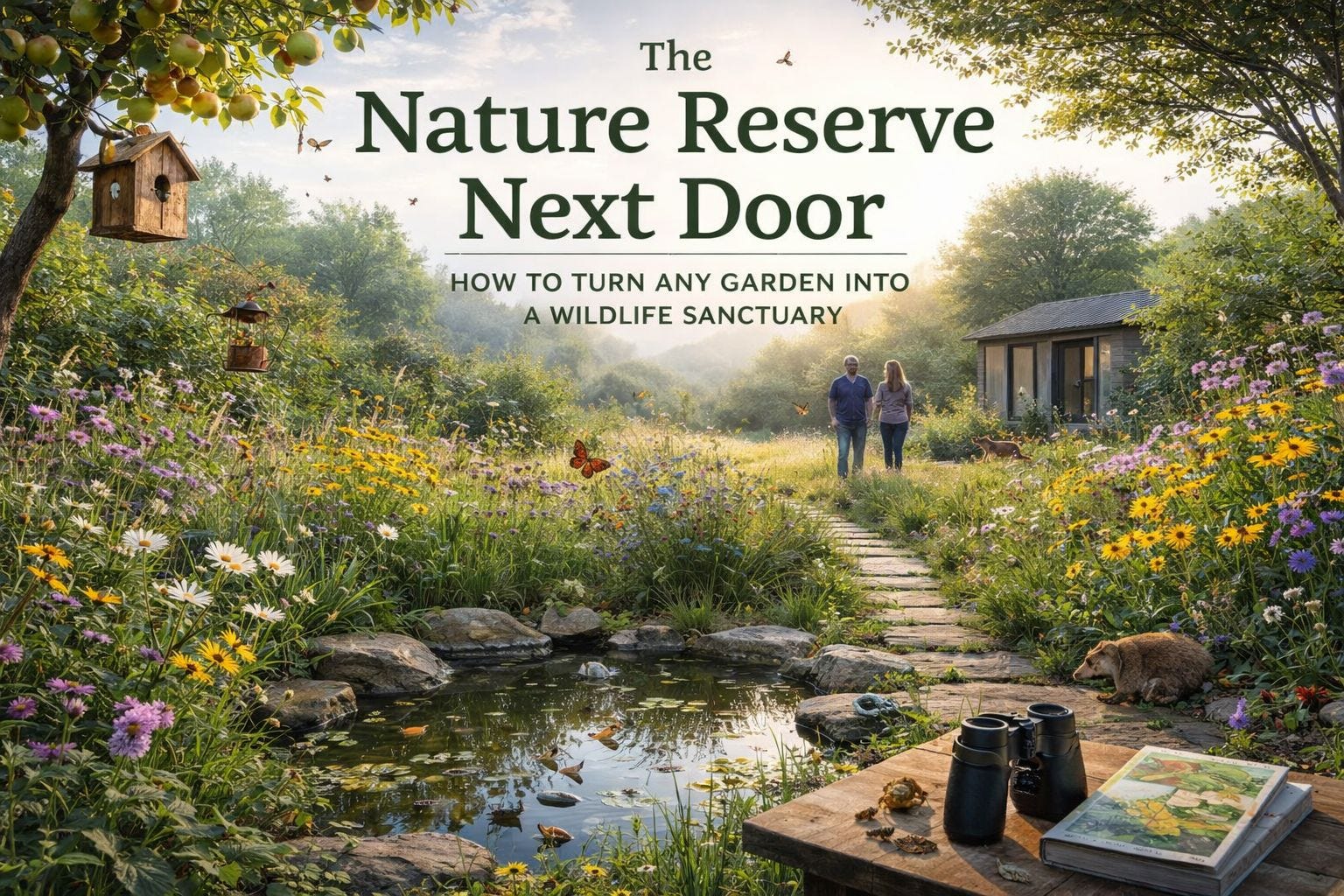
Chapter 2 - Part 1: Why Rewilding Your Garden Is the Right Thing to Do
The Biodiversity Crisis Is a Land-Use Crisis
The moral and practical case for garden rewilding rests on a simple reality: the biodiversity crisis and the climate crisis are also land-use crises. The way we manage the physical surface of the Earth, how we farm it, build on it, drain it, mow it, pave it, and illuminate it at night, directly determines how much life it can sustain. Governments set agricultural policy; developers build estates; local authorities manage parks; but millions of everyday decisions about gardens also shape the land.
The Intergovernmental Science-Policy Platform on Biodiversity and Ecosystem Services Global Assessment reported that approximately 25% of assessed species are threatened, and famously concluded that roughly one million species face extinction risk unless the drivers of biodiversity loss are meaningfully addressed. In the United Kingdom, the State of Nature 2023 report documents an average 19% decline in species abundance since 1970, with nearly one in six species threatened with extinction in Great Britain. These are not abstract statistics. They are the missing soundtrack of a summer evening — the absence of moths at a lit window, the silence where there should be birdsong, the bare soil where beetles once burrowed.
Insects: The Warning Sign We Cannot Ignore
Insects deserve particular attention, not because they are more important than other groups, but because they are more foundational. Insects are the base of most terrestrial food webs: garden birds feed their nestlings almost exclusively on caterpillars; bats depend entirely on flying invertebrates; hedgehogs, frogs, and toads are insectivores; even the humble house sparrow, now a red-listed species in Britain, is ecologically dependent on a supply of small arthropods for its chicks.
This could not be more important given today is National Bat Appreciation Day, celebrating the important role bats play in local ecosystems. Fun fact: The UK’s BATS organisation recorded 75% of the UK’s bats species in Exeter’s Capability Brown gardens, including some of its most endangered.
Saving Bats One LettsSafari Park at a Time

A number of Britain’s rarest bats, including the grey long-eared bat, have been discovered at LettsSafari parks thanks to a joint project with the UK’s Bat Conservation Trust.
A widely cited meta-analysis in Science found terrestrial insect abundance declining on average — a ‘windscreen phenomenon’ familiar to anyone who can remember the density of moths around a car headlight or motorway windscreen in the 1980’s compared to today. Freshwater insects have fared better, which is one reason that adding a pond, even a small one, is one of the highest-return actions any garden owner can take.
The implication is stark: gardening choices that increase insect biomass and diversity can propagate up the food chain. A garden that produces abundant caterpillars and flying insects does not just support butterflies and moths — it supports the birds that eat them, the bats that depend on them, and the plants that need them for pollination. This is the multiplier effect that makes garden rewilding so ecologically leveraged.
Ecological Intactness: How Rare Wildness Has Become
One of the most sobering findings in recent conservation science is just how rare genuinely intact ecosystems now are. A global assessment of faunal intactness found that only approximately 2–3% of Earth’s terrestrial land surface can be considered ecologically intact by a demanding definition — one that includes retaining the full complement of original animal communities at pre-human abundance levels.
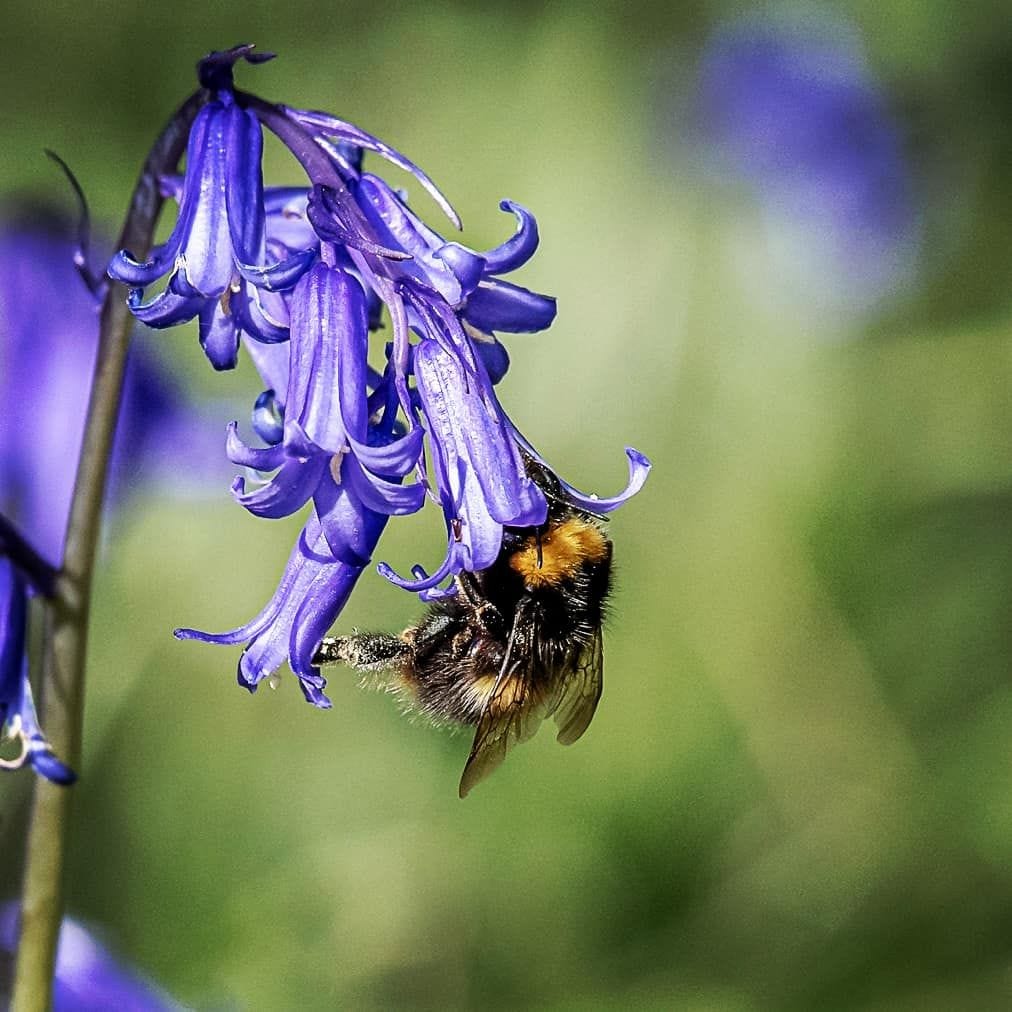
That statistic is not an invitation to despair. It is an invitation to understand the scale of the restoration opportunity. If only 2–3% of land is intact, then 97–98% of land has restoration potential. And that potential is not concentrated only in remote wildernesses — it is distributed across parks, urban spaces, and private gardens. Every hectare matters. Every garden matters.
Gardens Are Not Marginal — They Are Vast
One of the most important reframing insights in recent years has been the scale of Britain’s garden network. AI-assisted mapping by the Royal Horticultural Society and partners identified 25.8 million gardens in Great Britain, covering approximately 959,800 hectares — around 4.6% of the total land area. To put that in context: Britain’s National Nature Reserves cover around 110,000 hectares. Gardens cover nearly nine times as much land.
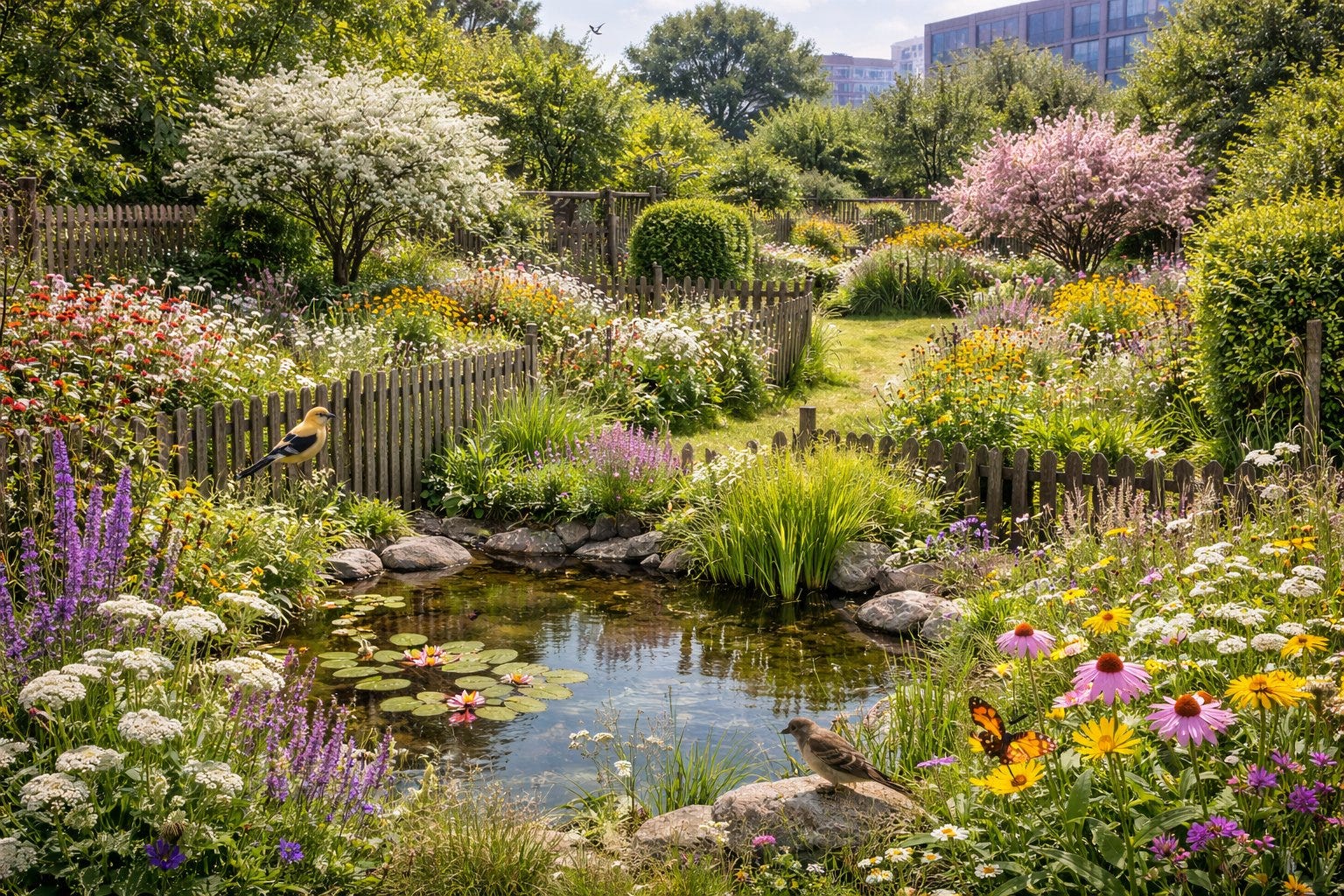
The same mapping found that 42% of domestic garden space is paved over which reduces cooling, biodiversity potential, carbon storage, and rainwater infiltration, with direct implications for local flooding risk. Government biodiversity indicators estimate that 22.7 million UK households have access to a garden, that gardens cover up to a quarter of land surface in towns and cities, and that they contain approximately 3 million ponds and almost a quarter of all trees outside woodlands.
