


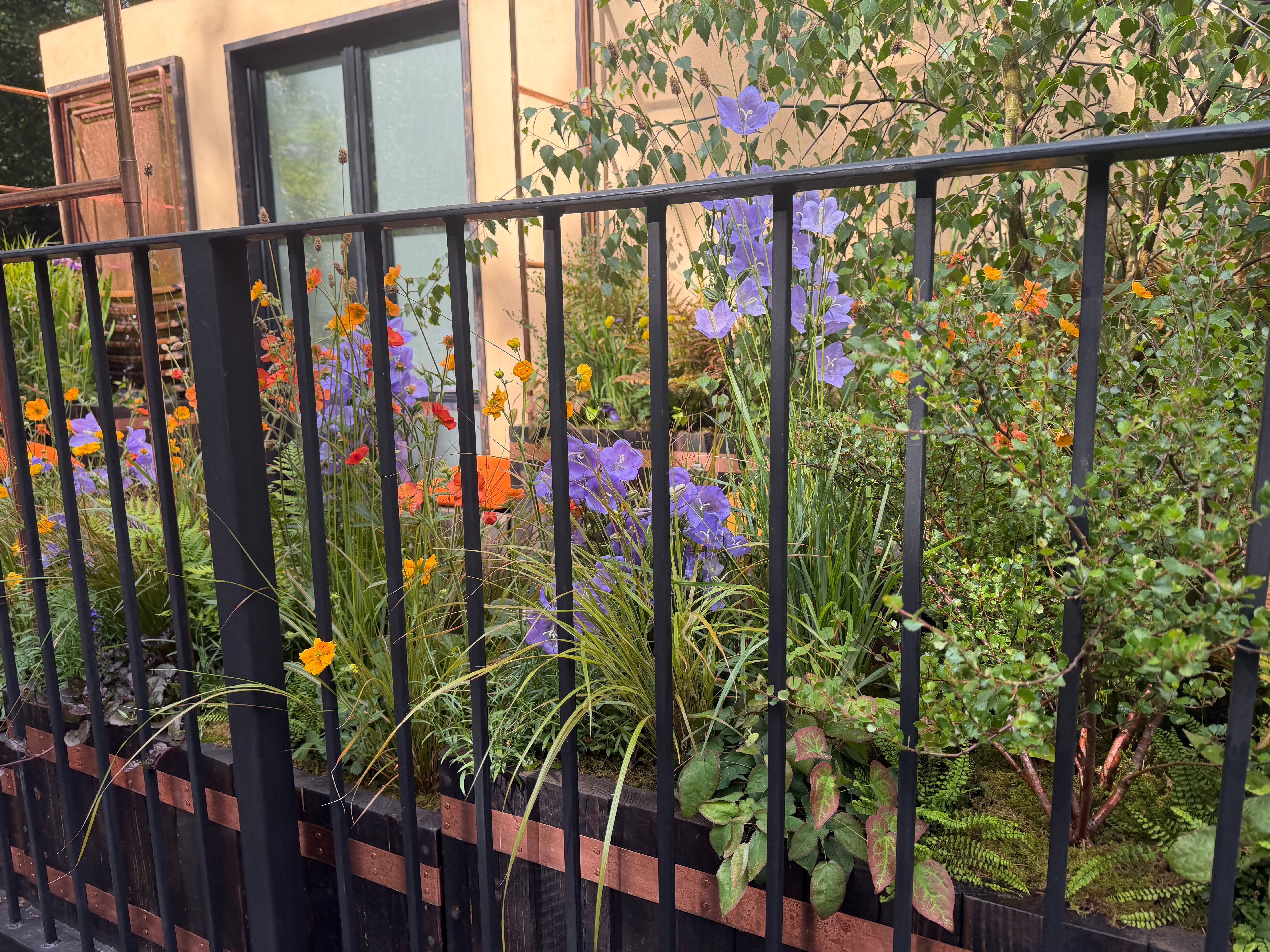
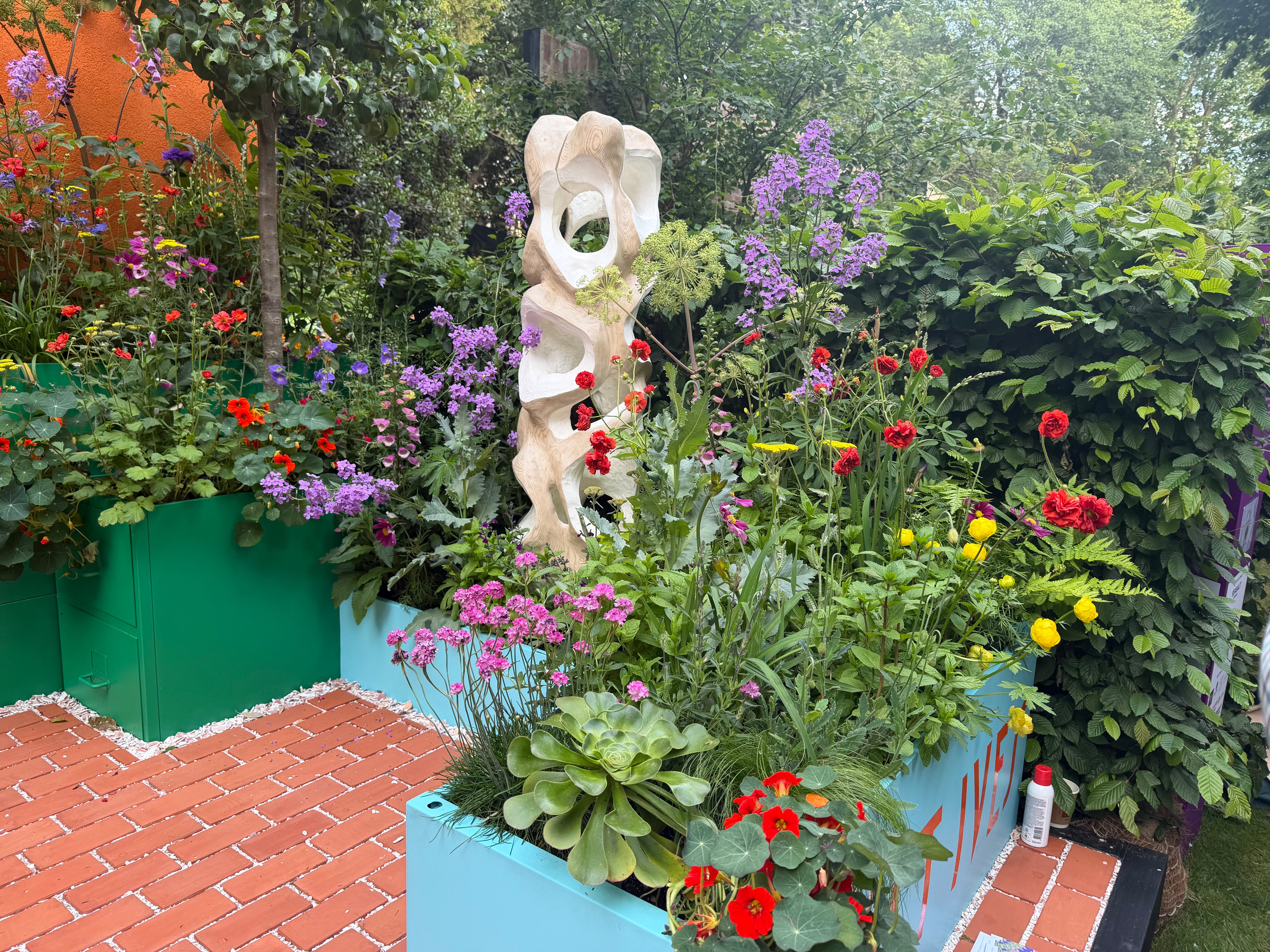
At this year’s RHS Chelsea Flower Show 2026, one of the most inspiring spaces for us was the Balcony and Container Gardens section. It celebrated the incredible potential of gardening in even the smallest outdoor spaces - from balconies and terraces to tiny patios and window ledges.
Ten first-time designers, mentored by Paul Hervey-Brookes, created imaginative gardens packed with colour, texture, biodiversity and practical ideas for urban living. The message was clear: you do not need a large garden to make a meaningful difference for nature.
At LettsSafari, this idea sits at the heart of everything we do. Small spaces can still become thriving wildlife havens that support pollinators, improve wellbeing and reconnect people with nature.
Why Smaller-Space Gardening Matters
Balcony and container gardening is about much more than aesthetics. Even a few carefully chosen plants can:
Support bees, butterflies and other pollinators
Improve air quality
Reduce urban heat
Create calming green spaces
Encourage biodiversity in towns and cities
Whether you live in a flat, apartment or home with limited outdoor space, smaller-scale gardening, with a rewilding twist, allows everyone to participate in nature restoration.
Collectively, thousands of small gardens and balconies can have a huge environmental impact.
Tips for Successful Balcony Gardening
If you are planning to create a balcony garden, here are a few important things to consider:
1. Check Weight Limits
Before adding containers, furniture, or water features, check how much weight your balcony can safely hold. Many balconies support approximately 70kg per square metre, but this can vary depending on the building.
2. Use Lightweight Containers and Potting Mixes Wherever Possible.
Goes without saying - reduces the load on the balcony.
3. Position Heavy Pots Carefully
Place heavier containers near structural walls or load-bearing areas for better support and stability.
4. Understand Your Sunlight
Different balconies create very different growing conditions:
North-facing balconies are cooler and shadier
South-facing balconies receive strong sunlight and may dry out quickly
Wind exposure can dramatically affect moisture levels
Choose plants suited to your specific environment.
5. Choose Lightweight Containers
Fibreglass, resin, recycled plastic and lightweight composite pots can reduce strain on balconies while still looking stylish.
Tips for Container Gardening
Container gardening is one of the easiest ways to grow plants successfully in compact spaces. Here are some simple ways to make your containers thrive:
1. Use Larger Containers
Bigger pots retain moisture longer and provide more room for roots to develop, especially in windy or sunny locations.
2. Choose Drought-Tolerant Plants
For sunny balconies, gardens and terraces, consider:
Lavender
Sedums
Succulents
Hardy palms
Grey-leaved Mediterranean plants
These plants generally require less watering and cope well with heat.
3. Feed Plants Regularly
Container plants lose nutrients quickly. During spring and summer, use a liquid feed such as seaweed fertiliser once a week to encourage healthy growth.
4. Refresh Plants Seasonally
Swap plants throughout the year to keep your balcony colourful and interesting across every season.
Inspired by Chelsea Flower Show
The Balcony and Container Gardens at Chelsea showed how creative, beautiful and environmentally valuable smaller-space gardening can be. At LettsSafari, we believe everyone should have the opportunity to reconnect with nature - no matter how much space they have available. Whether you have a balcony, terrace, courtyard or simply a few pots outside your door, you can create a thriving green sanctuary for yourself and for wildlife.