


The UK Government this week announced the largest-ever investment in species recovery, with £60 million supporting 130 conservation projects across England. The programme will help protect 364 threatened species, from butterflies and bats to rare plants and freshwater wildlife, while restoring habitats across farmland, rivers, woodlands and coastlines.
It’s encouraging news. But perhaps the most important lesson isn’t the size of the investment - it’s how nature recovers.
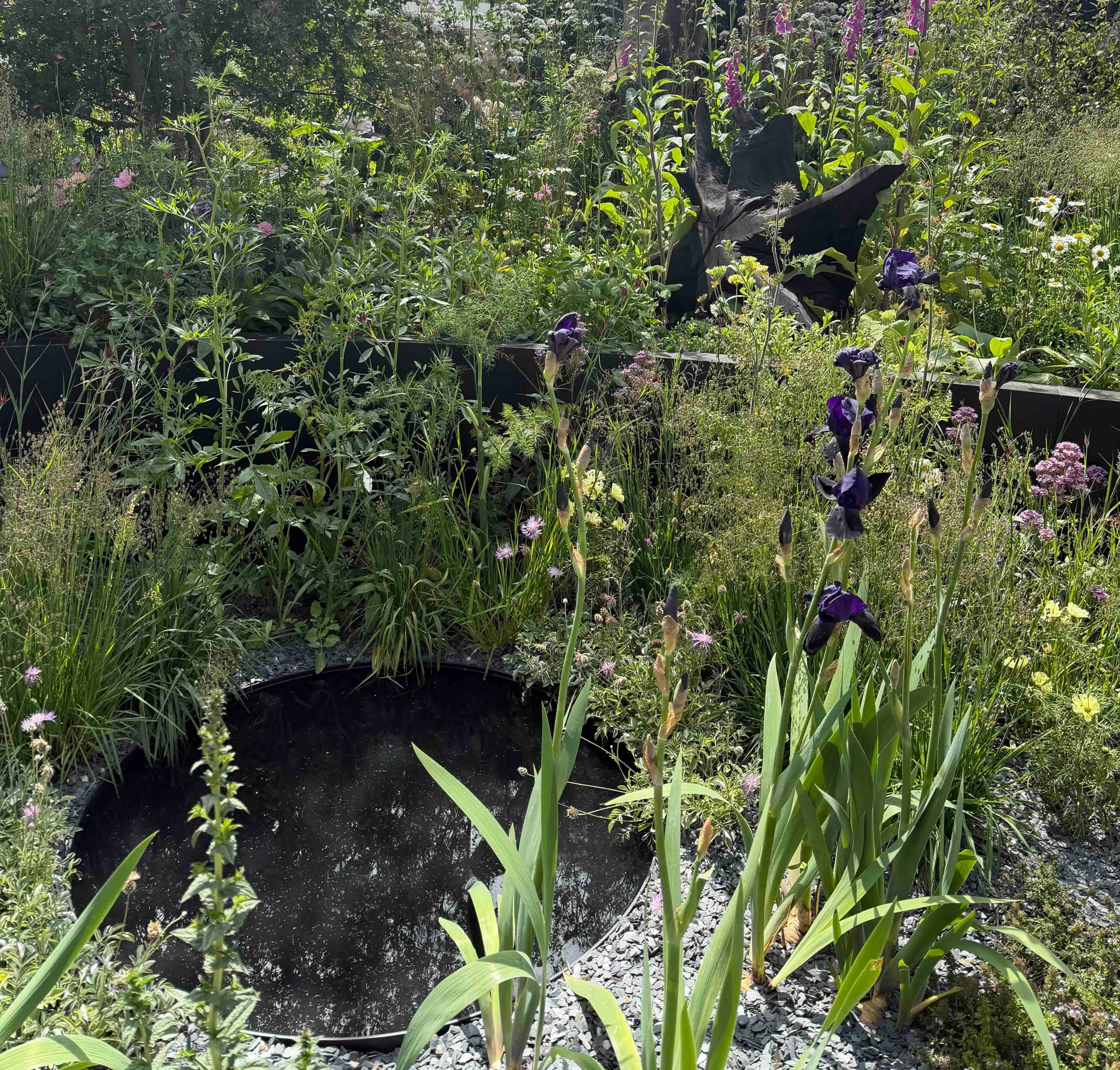
Wildlife doesn’t only thrive in national parks and nature reserves. It needs thousands of connected habitats, many of them surprisingly small. Gardens, balconies, school grounds, community spaces and business parks all have a role to play.
That’s exactly where LettsSafari comes in.
Why Small Spaces Matter
When people think about rewilding, they often picture hundreds of acres of countryside.
In reality, many species depend on networks of smaller habitats connected together. A pollinator visiting flowers in your garden today may visit a nearby park tomorrow before travelling to a local nature reserve. Birds, hedgehogs, bees and butterflies all benefit from these stepping stones.
One wildlife-friendly garden won’t change the country.
Ten thousand will.
What This Means for You
The Government’s investment shows that restoring nature is now a national priority. But you don’t need government funding to make a difference.
Here are six practical ways to begin rewilding your own space today.
1. Plant Native Species
Native wildflowers, shrubs and trees have evolved alongside British wildlife. Choose plants that provide nectar from early spring through to late autumn so pollinators always have something to feed on.
2. Create Layers of Habitat
Nature loves variety. Instead of keeping everything neat and flat, introduce different heights:
Wildflowers
Grasses
Shrubs
Small trees
Climbers
Containers with varied planting
Different species use different layers for food, shelter and nesting.
3. Leave Some Areas Untidy
A perfectly tidy garden isn’t always great for wildlife. Consider leaving:
Seed heads over winter
Small log piles
Leaf litter
Longer patches of grass
Dead wood where it’s safe
These become homes for insects, fungi and small mammals that support the wider ecosystem.
4. Add Water
Even a shallow bowl of clean water can attract birds, bees and beneficial insects. If you have room, a small wildlife pond quickly becomes one of the most valuable habitats in any garden.
5. Reduce Chemicals
Every reduction in pesticides and herbicides helps create healthier food chains. Natural pest control often follows once birds, frogs, ladybirds and other beneficial species begin returning.
6. Join a Bigger Movement
The Government’s programme succeeds because hundreds of organisations are working towards one goal. The same principle applies locally.
By joining LettsSafari, your subscription helps support real rewilding projects while giving you ideas, inspiration and practical guidance to make your own outdoor space more wildlife-friendly. Together, thousands of small actions become something much bigger.
How LettsSafari Helps
At LettsSafari, we believe rewilding should be accessible to everyone—not just landowners with acres to spare. Whether you have:
A balcony
A courtyard
A small back garden
An allotment
A school garden
A shared community space
You can make a meaningful contribution to nature recovery. Our community shares practical ideas that are simple to implement, affordable and enjoyable, while every subscription also contributes towards larger rewilding initiatives. It’s a way to create immediate impact close to home while supporting longer-term habitat restoration across the UK.
Every Wildlife-Friendly Garden Counts
The Government’s new investment is an important milestone for nature recovery in England. But restoring wildlife won’t be achieved by a handful of major projects alone. It will happen because millions of people decide to leave a corner of grass to grow, plant flowers for pollinators, provide water for birds or create shelter for insects.
Nature doesn’t ask for perfection.
It simply needs more places to thrive.
Start with your own space, however small, and become part of a growing movement that’s helping Britain become wilder, one garden at a time.