


One garden. One idea. A national shift.
What was once seen as unconventional - a “wild” garden - is now reshaping how the UK thinks about nature.
Inspired in part by figures like David Attenborough, a growing number of households are moving away from pristine lawns and toward something more alive: gardens designed for nature, not just neatness.
Across the UK, from city balconies to suburban back gardens, people are:
Letting grass grow longer
Planting native species
Adding ponds and log piles
Creating layered habitats instead of flat lawns
The result? Small spaces are becoming powerful ecosystems - supporting pollinators, birds and even mammals in places once considered ecological deserts.
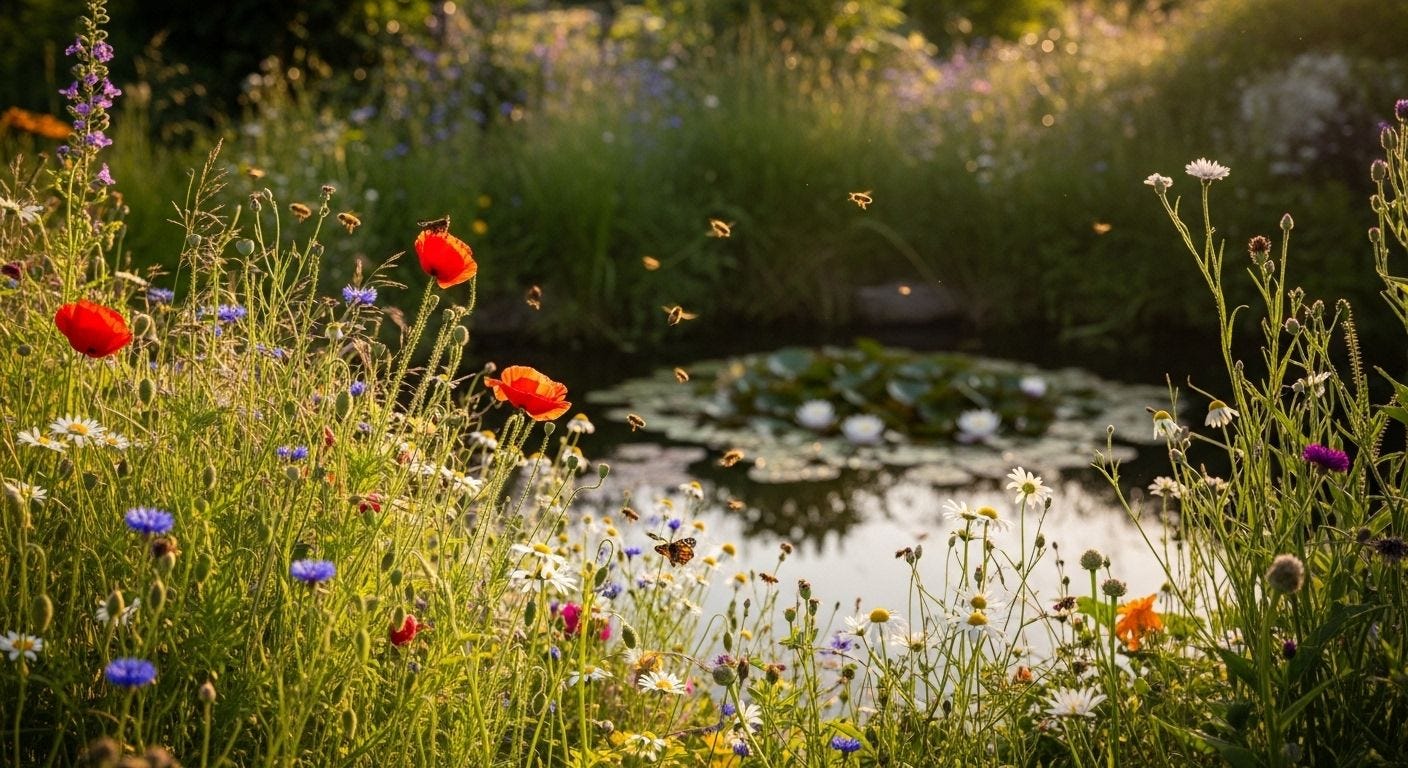
The big idea: small spaces, massive impact
Here’s an interesting fact: UK gardens collectively cover more land than all the country’s nature reserves combined.
That means the future of biodiversity isn’t just in national parks - it’s in millions of individual decisions made at home.
Each garden, balcony, or shared green space becomes:
A stepping stone for wildlife
A connector between fragmented habitats
A micro-reserve contributing to a larger ecological network
This is urban rewilding at its most powerful: decentralised, democratic and scalable.
The challenge: where do you start?
For most people, the idea of rewilding their space is compelling, but unclear. Questions quickly follow:
What should I plant?
How “wild” is too wild?
Will it look messy or intentional?
Am I actually making a difference?
Without guidance, rewilding can feel like a leap into the unknown.
Where LettsSafari comes in
This is exactly where LettsSafari changes the game.
Instead of rewilding being abstract or overwhelming, LettsSafari makes it:
Accessible. Simple, practical steps you can apply immediately
Visible. A front-row seat to real rewilding projects across the UK
Collective. Your small action contributes to something bigger
Through a subscription, you’re not just learning - you’re actively supporting:
Tree planting
Wildlife reintroduction
The creation of new rewilding spaces
And crucially, you’re bringing that same philosophy into your own garden.
Because the real breakthrough isn’t just funding rewilding elsewhere - it’s turning millions of small spaces into a national nature network.
The future: rewilding as the new normal
The idea of a “perfect garden” is changing. Where once it meant control, symmetry, and tidiness now it’s about life, movement and resilience.
And that shift matters.
Because if enough people take small steps (planting, pausing, letting nature in) we don’t just improve individual gardens. We rebuild ecosystems.