


Rewilding can sound ambitious. Wolves returning to national parks. Huge estates being transformed. Thousands of acres handed back to nature.
But one small project in the Tamar Valley demonstrates something much more useful. At Larkrise, near St Dominic, around 10 acres of previously poorly drained land have been allowed to become wilder. Less than seven years after the project began, the site now contains thriving native plants, young trees, ponds, hedgerows and a growing collection of wildlife.
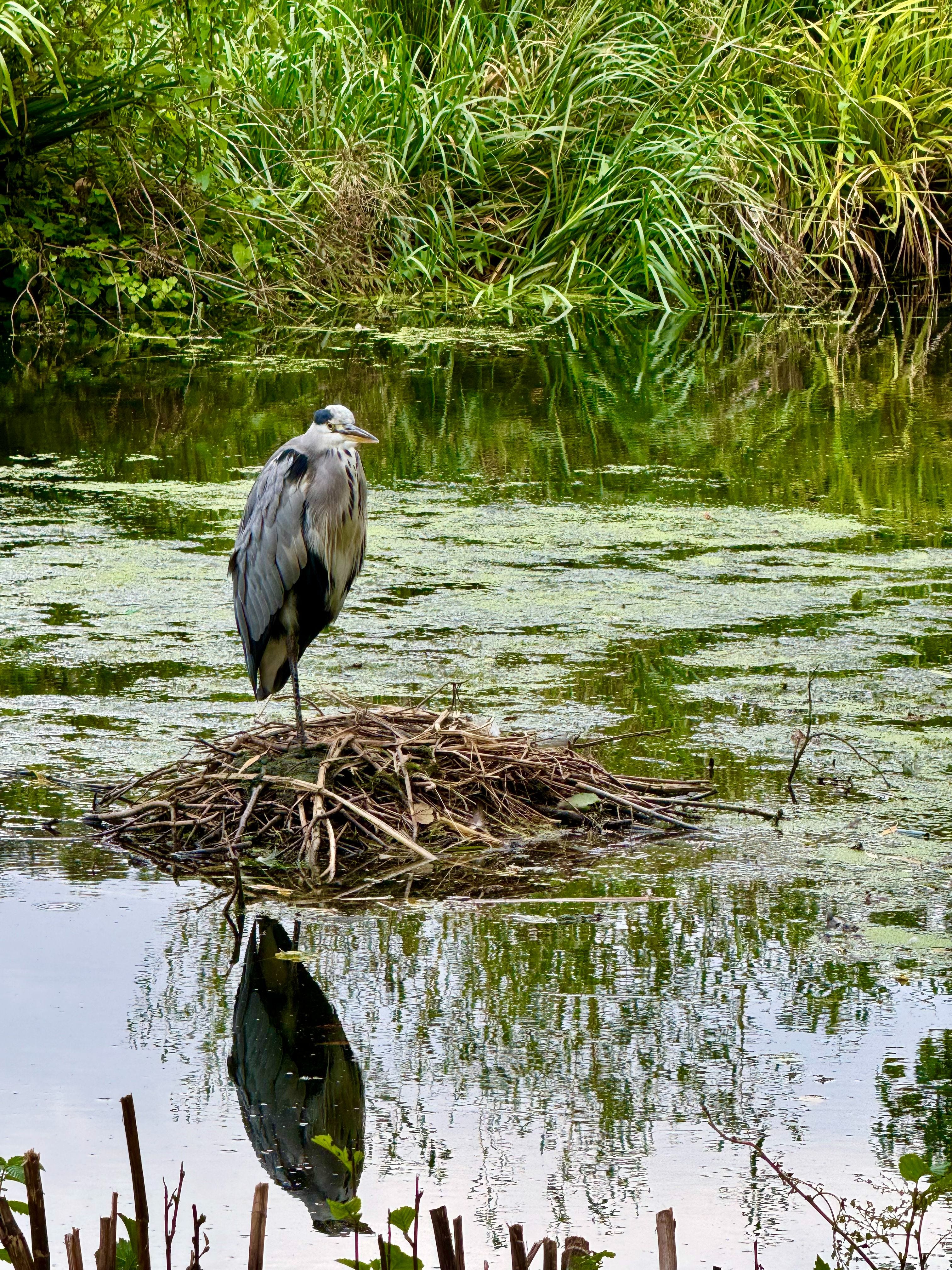
Foxes, roe deer, barn owls, moorhens, weasels, voles and shrews have all been recorded there. Swallows skim across the ponds, goldfinches feed among the plants and butterflies move through areas that were once much less diverse.
What did Larkrise actually do?
One of the useful things about the Larkrise story is that the changes aren’t particularly complicated.
The project has combined several relatively straightforward approaches:
allowing native grasses and plants to establish
protecting naturally regenerating trees
strengthening and retaining hedgerows
digging ponds
introducing appropriate indigenous plants, seeds and cuttings
reducing the pressure from grazing
leaving space for natural processes to take over.
None of these actions is especially dramatic in isolation. Together, however, they create something wildlife desperately needs: a mixture of habitats.
Water attracts one group of species. Native plants attract another. Trees provide shelter, food and nesting opportunities. Hedgerows become wildlife corridors. Areas of longer vegetation give small mammals and insects places to live.
Instead of thinking about rewilding as one big project, it is often more helpful to think of it as creating lots of small opportunities for nature.
How can you apply the same idea at home?
You probably don’t have 10 acres. Fortunately, you don’t need them. The principles visible at Larkrise can be scaled down to a garden, courtyard, community space, school grounds or even a collection of pots on a balcony.
1. Create some water
A pond is one of the most effective ways to increase the variety of wildlife using a garden.
And it doesn’t have to be large.
A small container pond can provide drinking water and habitat for insects, while a larger wildlife pond may attract frogs, newts, dragonflies and birds.
If you create one, make sure wildlife can get in and out easily and avoid adding chemicals.
2. Let something grow
One of the easiest rewilding techniques is also one of the cheapest: stop cutting everything.
Leave a section of lawn longer. Allow some plants to flower and seed. Leave a few stems standing through winter.
These slightly untidier areas can provide food and shelter for insects, which in turn support birds and other wildlife.
You don’t have to abandon the whole garden. Even a small wild corner can help.
3. Choose native plants
Native flowers, shrubs and trees have developed alongside UK wildlife and can provide valuable sources of food and shelter.
Depending on the space available, consider plants that produce:
nectar for pollinators
berries for birds
seeds for birds and small mammals
dense vegetation for shelter.
Even several carefully chosen pots can create a miniature feeding station.
4. Keep your hedges
A hedge isn’t simply a boundary.
It can be a miniature ecosystem.
Hedges provide nesting places, berries, insects, shelter and routes that wildlife can use to move between habitats.
If you already have one, consider allowing it to become slightly thicker and less manicured. Where space allows, planting a mixture of native hedge species can create even more variety.
5. Protect natural regeneration
At Larkrise, naturally occurring young oak trees were protected rather than simply planting everything from scratch.
You can use the same principle at home.
Before removing a seedling or an unexpected plant, find out what it is. Sometimes nature has already started doing the planting for you.
The most sustainable plant may be the one that’s already growing.
6. Reduce disturbance
Rewilding isn’t always about adding things.
Sometimes it means doing less.
Reduce pesticide use. Leave fallen leaves beneath shrubs. Keep some dead wood. Avoid constantly disturbing every corner of the garden.
Small areas that humans largely leave alone can become valuable refuges.
Think in habitats, not individual species
It’s tempting to approach wildlife gardening by deciding you want more bees, butterflies, hedgehogs or birds.
A better starting point is often:
What habitats can I create?
Build the habitat and wildlife has a reason to arrive.
A useful small-scale rewilding checklist might be:
Water + native plants + shelter + food + somewhere undisturbed.
You don’t need all five immediately. Start with one and build from there.
Five things you can do this weekend
If you want to put the Larkrise lesson into practice straight away:
Leave one patch unmown.
Add a small source of water.
Plant one native or wildlife-friendly plant.
Create a sheltered corner using leaves, logs or vegetation.
Spend ten minutes watching what wildlife is already there.
That final step matters. Rewilding isn’t only about changing the landscape. It’s also about noticing the nature that is already returning.