


We’ve all no doubt struggled with the recent hot weather. It’s not just inconvenient (and sometimes dangerous) for us, but recent reports have highlighted a growing challenge for the UK: hotter summers are changing the way our landscapes support wildlife. Conservation experts are calling for more resilient habitats, better-connected green spaces and practical action to help nature adapt.
While much of the discussion focuses on national parks and large nature reserves, there’s another important part of the solution—our own gardens, balconies, courtyards and community spaces.
Many British species are already feeling the effects of warmer temperatures and more frequent dry spells. Pollinators struggle when flowers disappear during drought, birds find fewer insects to feed their young, and amphibians lose vital wet habitats. The good news is that thousands of small wildlife-friendly spaces can collectively make an enormous difference. Even a modest garden or patio can become a stepping stone that helps wildlife move safely through towns and cities.
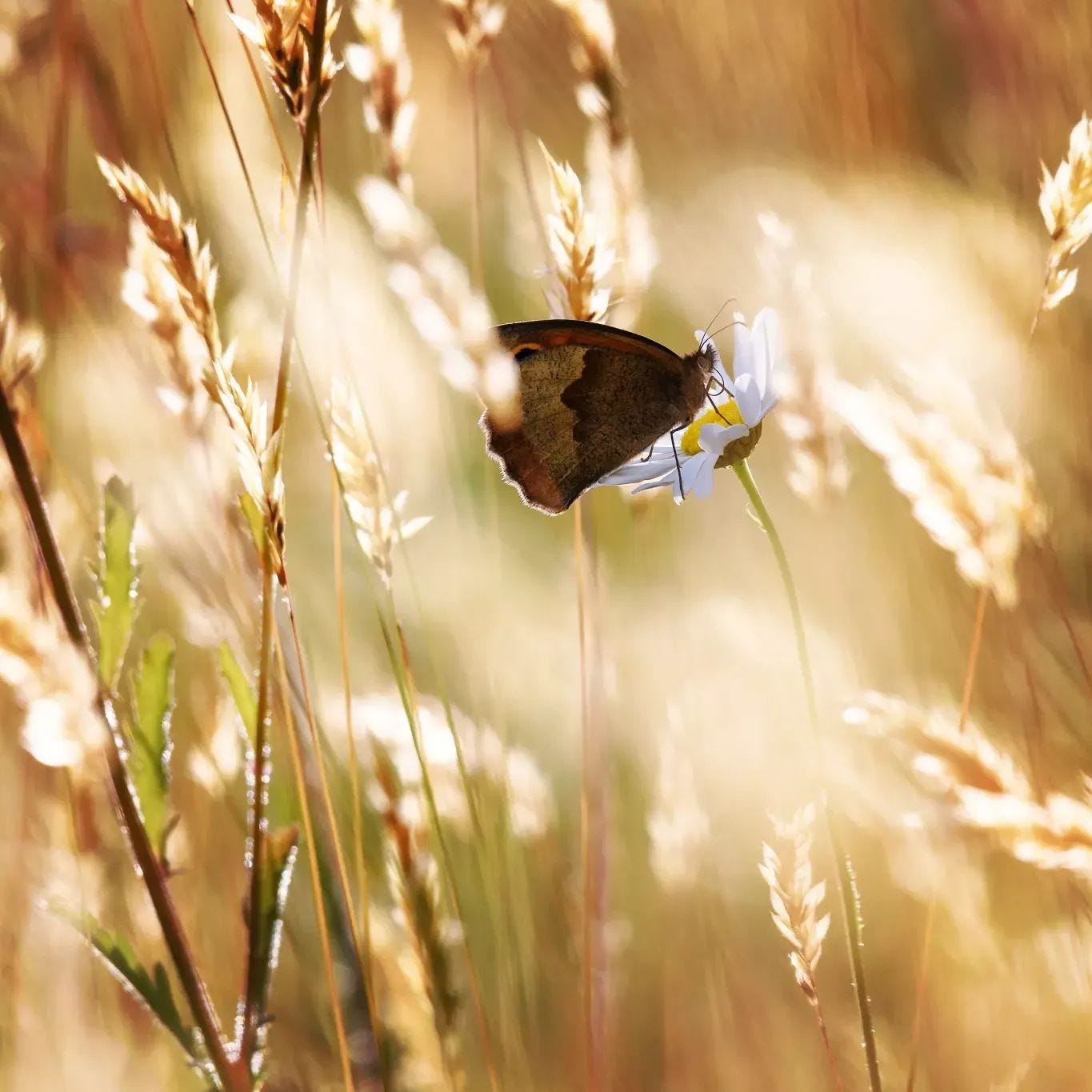
How to Make Your Garden More Climate Resilient
You don’t need to completely redesign your outdoor space. A few thoughtful changes can significantly increase its value for wildlife.
1. Add Fresh Water
During hot weather, clean water is one of the most valuable resources you can provide. Simple ideas include:
A shallow bird bath
A small wildlife pond
Water dishes with stones for bees and butterflies
Regularly topping up water during dry spells
Keep water clean and place some in shaded areas to reduce evaporation.
2. Plant for Pollinators Throughout the Season
Choose a variety of native and wildlife-friendly plants that flower from early spring through autumn. Aim for continuous nectar sources rather than one short flowering period. Good choices include:
Lavender
Foxgloves
Knapweed
Wild marjoram
Cornflowers
Verbena
The more variety you provide, the more insects you’ll attract.
3. Leave Areas a Little Wild
Nature doesn’t need everything to be tidy. Consider leaving:
Long grass
Seed heads over winter
Small log piles
Leaf piles
Undisturbed corners
These provide shelter for insects, hedgehogs, amphibians and countless other species.
4. Plant More Trees and Shrubs
Even one small native tree can make a difference. Trees:
Create cooler microclimates
Hold moisture in the soil
Provide nesting opportunities
Support hundreds of insect species
If space is limited, shrubs and climbing plants can offer many of the same benefits.
5. Reduce Hard Surfaces
Patios and artificial grass can become extremely hot during summer. Replacing even a small section with planting helps:
Absorb rainfall
Reduce heat
Improve biodiversity
Support soil health
6. Connect Your Garden to Nature
Wildlife needs connected habitats. Small improvements include:
Hedgehog highways through fences
Native hedging
Climbers on walls
Window boxes full of nectar-rich flowers
Green roofs on sheds or bike stores
These tiny links become important wildlife corridors.
Small Changes Create Big Results
One wildlife-friendly garden is valuable. Hundreds of wildlife-friendly gardens across a neighbourhood become an ecosystem. Thousands become part of a national network that helps species adapt to changing conditions. This is exactly why small-scale rewilding matters.
How LettsSafari Helps
At LettsSafari, we believe everyone should be able to contribute to nature recovery - whether they have acres of land, a suburban garden or simply a balcony. Our mission is to make rewilding simple, practical and achievable.
Through LettsSafari you’ll discover:
Easy rewilding ideas anyone can follow
Seasonal wildlife-friendly gardening tips
Practical guides for gardens of every size
Inspiration from successful small-scale projects
A community of people helping wildlife one step at a time
Every action matters.
Together, thousands of small spaces can have an extraordinary impact on biodiversity across the UK.
Getting Started This Weekend
If you’re wondering where to begin, try these five simple tasks:
Put out a shallow dish of fresh water.
Leave one corner of your garden a little wild.
Plant two nectar-rich flowers.
Build a small log pile.
Spend ten minutes watching which wildlife visits.
You might be surprised how quickly nature responds.