


Rewilding a garden doesn’t require acres of land, major landscaping or even a particularly large garden. Sometimes, changing the shape of the ground beneath your feet can make a surprising difference.
A recent Guardian article highlighted the idea of creating mounds in gardens using existing soil, rubble, branches and organic material, drawing inspiration from our good friends at Knepp in West Sussex. At Knepp, material that could have been removed as waste was instead reused to form an undulating dry garden, providing planting opportunities and habitat for insects.
It’s a simple idea with an important principle behind it: the more varied the habitat, the more opportunities you can create for nature.
And it’s something you can try in even a relatively small urban garden.
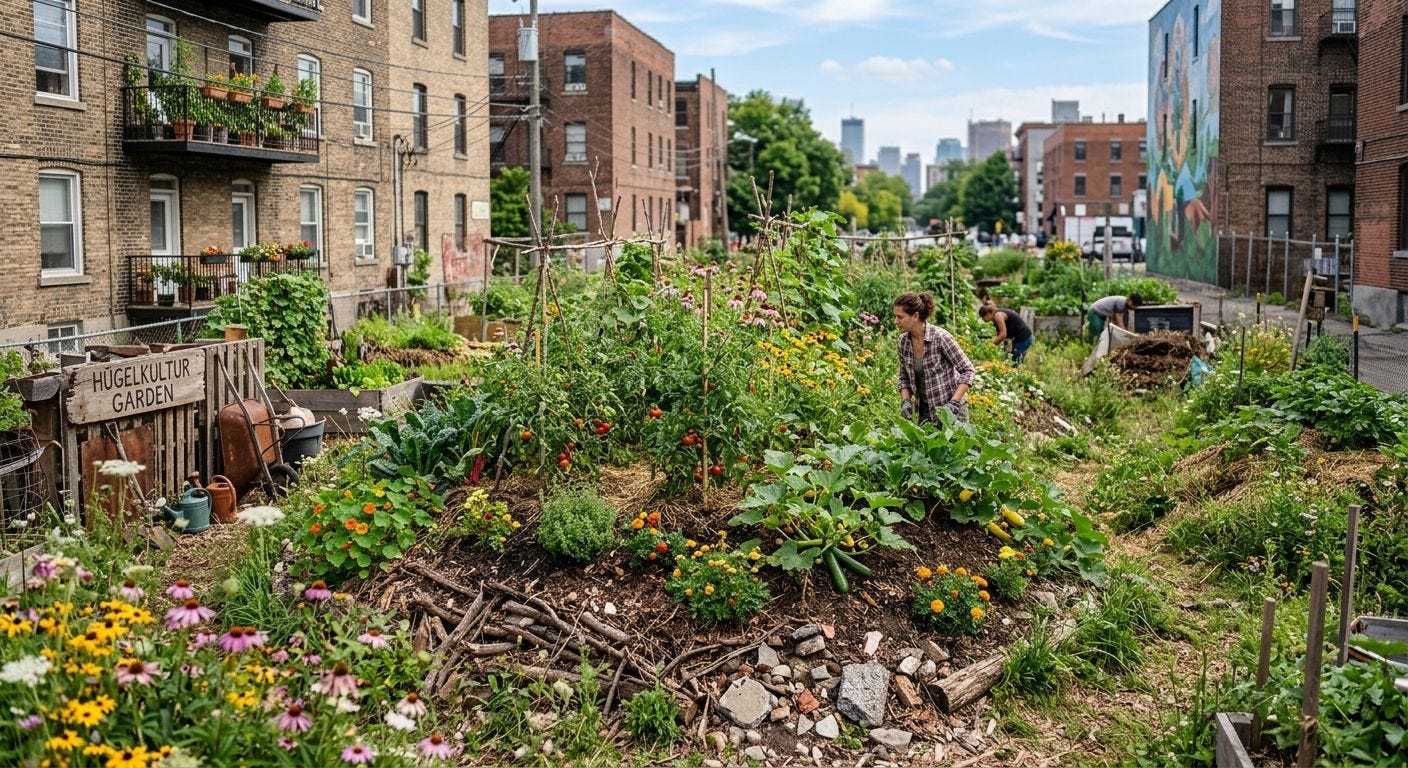
Why a Flat Garden Isn’t Always Best for Wildlife
Most conventional gardens are designed around flat lawns, straight borders and clearly defined spaces.
Wild landscapes rarely look like that - they contain slopes, banks, fallen branches, bare ground, sheltered hollows, exposed sunny areas and countless small variations in height, moisture and temperature.
These variations create microhabitats - small areas offering slightly different conditions for plants, insects and other wildlife. Introducing even a small mound can therefore increase the variety within your garden.
How to Create a Wildlife-Friendly Garden Mound
You don’t need to undertake major landscaping. Start with materials you already have.
1. Save surplus soil
If you’re digging a pond, installing a path or creating new planting areas, don’t automatically dispose of the soil. Consider using it elsewhere in the garden to create gentle mounds or raised planting areas. Rather than sending excavated soil away in a skip, it can become part of the garden itself.
2. Add logs and branches
Dead wood is one of the most useful materials in a wildlife garden. Instead of cutting branches into small pieces and removing them, place some underneath your mound. As the wood gradually decomposes, it helps create a richer structure beneath the soil.
This approach is similar to “hugelkultur“, a long-established gardening technique in which mounds are created using decaying wood, branches and other organic material covered with soil.
3. Use turf rather than throwing it away
If you’re removing sections of lawn, turn the turf upside down and incorporate it into your mound. The grass will break down over time and return organic material to the soil. It is another example of a useful rule for wildlife gardening:
Before taking something out of your garden, ask whether nature could use it somewhere else.
4. Create different aspects
Even a mound less than a metre high can create different conditions. One side might receive full sun. Another could remain cooler and shaded. The top may drain quickly while the bottom retains more moisture. These differences give you opportunities to grow a wider mixture of plants.
Plant Your Mound for Wildlife
Once your mound is established, avoid treating it as another conventional flower bed. Think about layers.
You could combine:
ground-cover plants
grasses
wildflowers
flowering perennials
small shrubs
herbs
climbing or trailing plants
Aim to provide different heights, shapes and flowering periods. Use repetition alongside different heights, colours and textures when planting a mound. From a wildlife perspective, variety can also extend the amount of time your garden provides useful food and shelter.
Don’t Make Everything Too Tidy
A wildlife-friendly mound doesn’t need to look abandoned but it doesn’t need to look immaculate either. Allow some leaves to remain, leave occasional stems standing, keep pieces of exposed wood or let plants seed naturally in places.
A small amount of disorder can provide valuable hiding places and overwintering habitat. The aim isn’t to stop gardening. It is to garden with wildlife in mind.
Connect Your Mound to Other Mini Habitats
The real opportunity comes when your mound becomes part of a larger network. Alongside it, consider adding:
A small pond or water container: Even a tiny source of water can add another type of habitat.
A log pile: Stack branches or pieces of untreated timber somewhere sheltered.
A patch of longer grass: Rather than mowing everything at the same height, allow one area to grow.
Pollinator-friendly planting: Choose plants that provide pollen and nectar through as much of the year as possible.
Dense shrubs: Shrubs can provide shelter and potential nesting habitat while creating another layer of vegetation.
You don’t need all of them. Adding one new habitat at a time gradually makes your garden more varied.
Rewilding Is About Variety, Not Size
This is perhaps the most useful lesson from the story.
The inspiration may come from Knepp - one of Britain’s best-known rewilding projects - but the same principle can be applied in a long, narrow urban garden. You don’t have to recreate a giant nature reserve, uou simply create more opportunities for nature within the space you already have.
Where LettsSafari Fits In
LettsSafari is built around the idea that people shouldn’t need to own large areas of countryside to participate in rewilding. You can start where you are.
Through LettsSafari, subscribers can learn practical ways to encourage nature back into gardens, balconies and other small spaces while also contributing to wider rewilding activity.
That creates two complementary forms of action:
Rewild at home.
Make small changes that create more space for wildlife around you.
Support rewilding elsewhere.
Help fund larger-scale nature restoration beyond your own garden.
The goal isn’t to turn every garden into wilderness overnight.
It’s to help thousands of people make one achievable change — and then another.
Five Small Rewilding Actions to Try This Weekend
If creating a mound sounds interesting, start small.
Leave one pile of logs or branches somewhere sheltered.
Allow one patch of grass to grow longer.
Turn an unused container into a miniature wildlife pond.
Create a small mound from spare soil, turf or organic material.
Plant one additional wildlife-friendly plant.
The best small-scale rewilding projects often begin with something surprisingly simple. Sometimes even a pile of earth can become habitat.