


In recent years, the western world has experienced a notable increase in winter rainfall, a trend that has significant implications for both ecosystems and human communities. Climate change, characterised by shifting weather patterns, has contributed to this phenomenon. The increased frequency and intensity of storms have resulted in more precipitation during the winter months, leading to both challenges and opportunities in managing water resources.
The consequences of increased rainfall are manifold. For instance, while some regions benefit from replenished aquifers and improved water supplies, others face flooding and erosion. This variability underscores the importance of effective water management strategies, particularly in the context of rewilding efforts.
Waterways play a crucial role in rewilding projects, particularly at smaller scales. These (often) human-made or enhanced natural features can provide essential habitats for a variety of wildlife while also improving landscape resilience against climate change. By creating waterways, we can facilitate biodiversity, enhance ecosystem services, and contribute to the overall health of the environment.
Different Approaches to Creating Waterways
1. Ponds: Ponds are perhaps the most common type of waterway found in rewilding projects. They provide habitats for amphibians, insects, and birds, creating a rich ecosystem. Ponds can be designed to support a variety of wildlife by incorporating different depths and vegetation around their edges. They also play a crucial role in water storage, helping to mitigate the effects of heavy rainfall by capturing runoff.
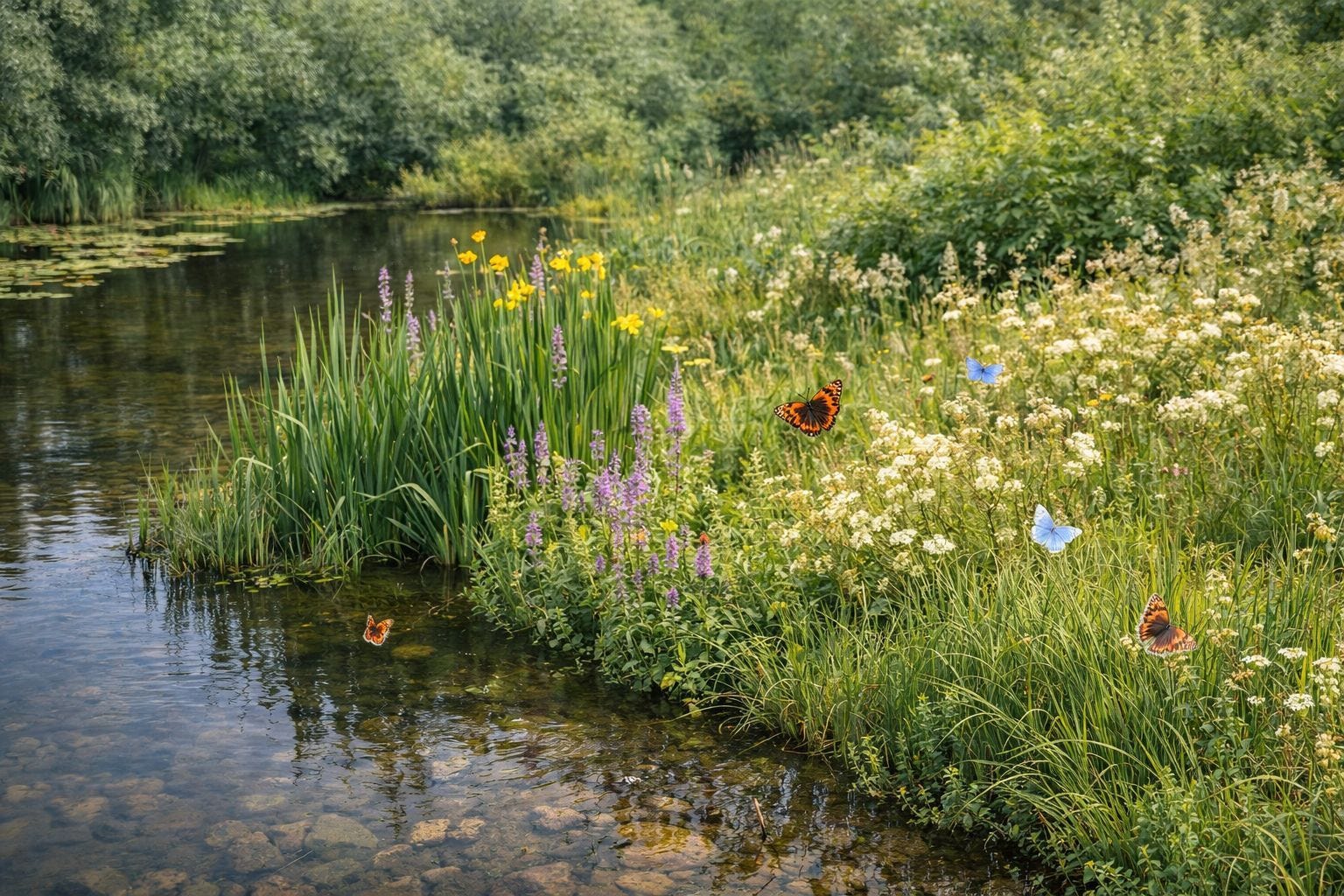
To construct a pond, first choose a suitable location that receives adequate sunlight and is away from large trees that may drop leaves into the water. Begin by marking out the desired shape of the pond with a garden hose or rope. Dig out the area to a depth of at least 2 feet, sloping the sides gently to ensure wildlife can access the water. Line the bottom with a pond liner, ensuring it fits snugly and is free of wrinkles. Fill the pond with water and allow it to settle for a few days before adding plants and aquatic life. Incorporate native marginal plants around the edges to provide habitat and cover for wildlife.
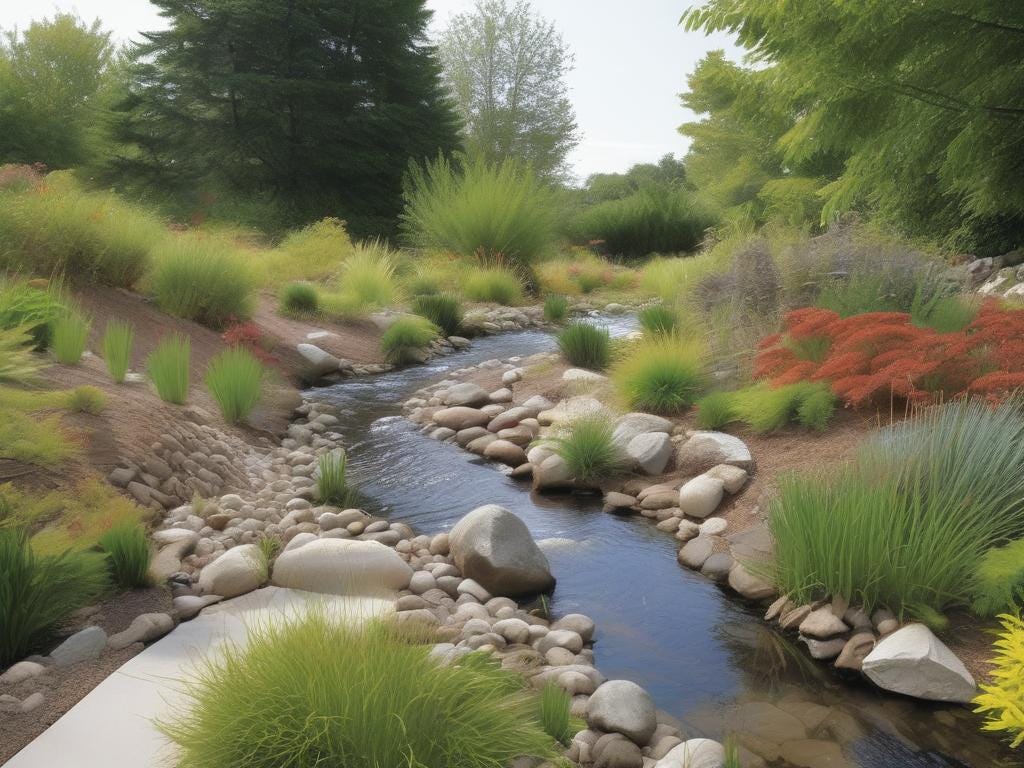
2. Small Man-Made Streams: Introducing small streams can help mimic natural water flow patterns, promoting nutrient cycling and providing critical habitats for fish and other aquatic organisms. These streams can be designed to include riffles and pools, enhancing habitat diversity and encouraging biodiversity.
To create a small stream, select a location that allows for a natural slope. Begin by digging a trench that mimics the path of a river, adding curves and bends to the design. Use rocks and gravel to create a natural streambed, ensuring there are areas for riffles and pools. Install a small pump or water-butt with an outlet if needed to maintain water flow, and plant native vegetation along the banks to stabilise the soil and enhance habitat.
The Power of Water - Part 1

Water seems to be the theme for the UK this year. We had a wet summer and numerous named storms later we are having a water logged Autumn. According to the Royal Meteorological Society (try saying that after a few), there has been a gradual increase in heavy rainfall across the UK in recent decades. For the most recent decade (2013–2022) UK winters have been 10% wetter than 1991–2020 and 25% wetter than 1961–1990, with smaller changes for spring, summer and autumn overall. Rainfall is not likely to diminish soon so it might be time to think about how we harness it - with ponds and streams, and for biodiversity, wildlife and renewable energy. In Part 1 of this series we look at some interesting new pond action.
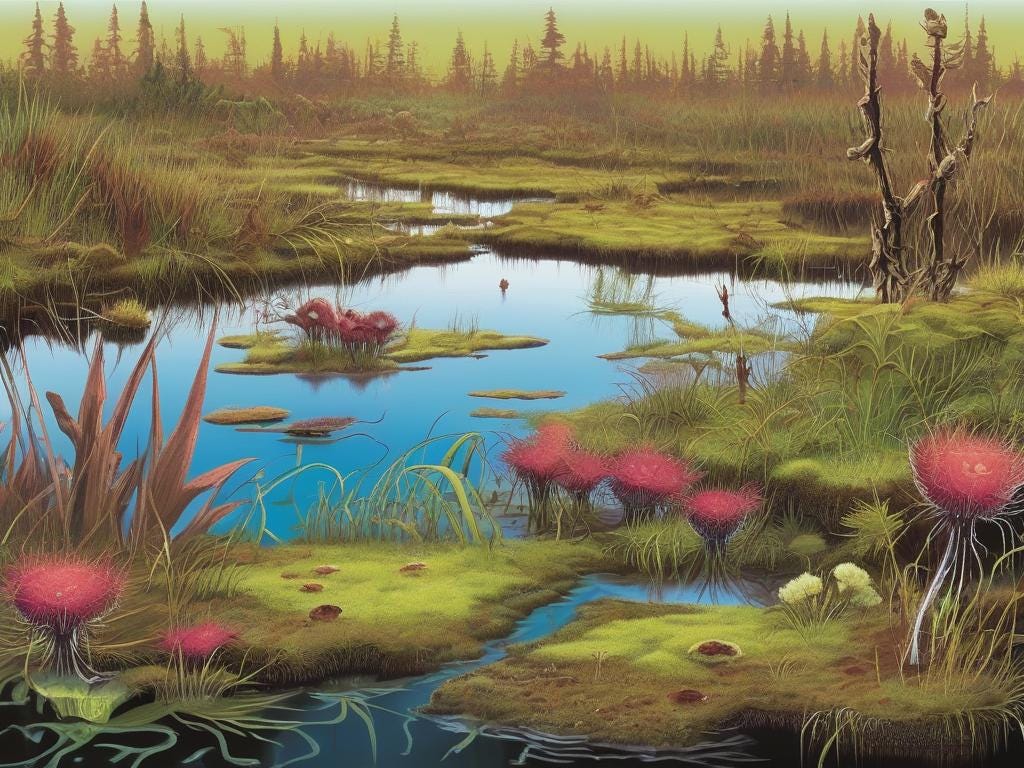
3. Bogs: Bogs are unique ecosystems that can be created in areas with poor drainage. They serve as carbon sinks, help regulate water flow, and support specialised plant and animal species. The creation of bogs can significantly enhance local biodiversity while also helping to retain water in the landscape. Bog and moss are powerful removers of carbon - and the wildlife will love you.
To build a bog identify a low-lying area with poor drainage for your bog. Dig a shallow basin, ensuring it is lined with a non-toxic liner to retain moisture. Fill the basin with a mixture of peat, sand, and compost to create an acidic environment. Choose plant species that thrive in bog conditions, such as sundews and sphagnum moss, and monitor water levels to ensure the bog remains saturated.

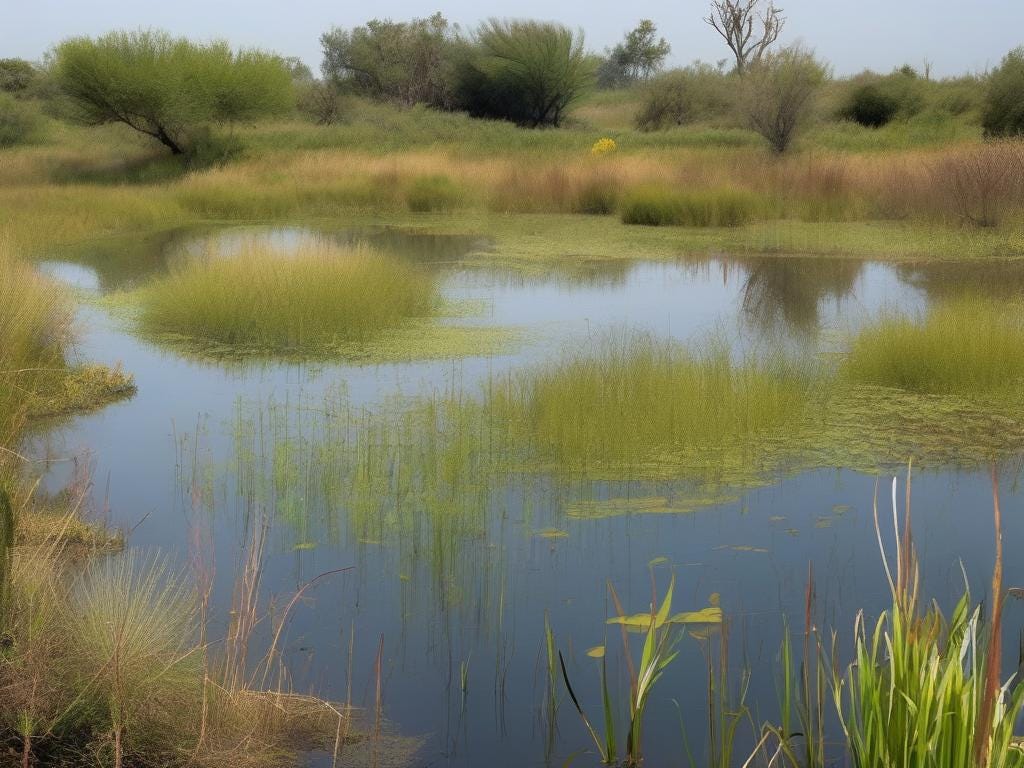
4. Wetlands: Wetlands are among the most productive ecosystems on the planet. They provide crucial habitats for migratory birds, amphibians, and a variety of invertebrates. Creating wetlands can enhance water retention in the landscape, improving resilience against periods of drought or heavy rainfall.
To build a wetland, select a flat area that can hold water without flooding surrounding land. Excavate the site to create shallow depressions, ensuring varying depths to support diverse plant life. Use native wetland plants to establish vegetation, and consider installing a water control structure to manage water levels. This will create a dynamic ecosystem that supports both flora and fauna while improving water retention in your landscape.
Water Storage and Retention Options: In rewilded gardens, consider incorporating rain barrels or cisterns to collect runoff from roofs and hard surfaces. Swales, or shallow ditches, can also help direct water to where it’s needed, promoting infiltration and reducing erosion. Overall, these strategies can enhance biodiversity and water management in rewilding projects. By understanding the processes involved in building these waterways, individuals can contribute to the restoration of natural ecosystems and support local wildlife.
Benefits of Waterways to Specific Wildlife and Birds
The creation of waterways can have profound benefits for wildlife and birds. For instance, ponds and wetlands attract a variety of bird species, including ducks, herons, and kingfishers. These birds rely on aquatic habitats for feeding and nesting. Amphibians, such as frogs and salamanders, also benefit from the presence of ponds and streams, as they require water for reproduction.
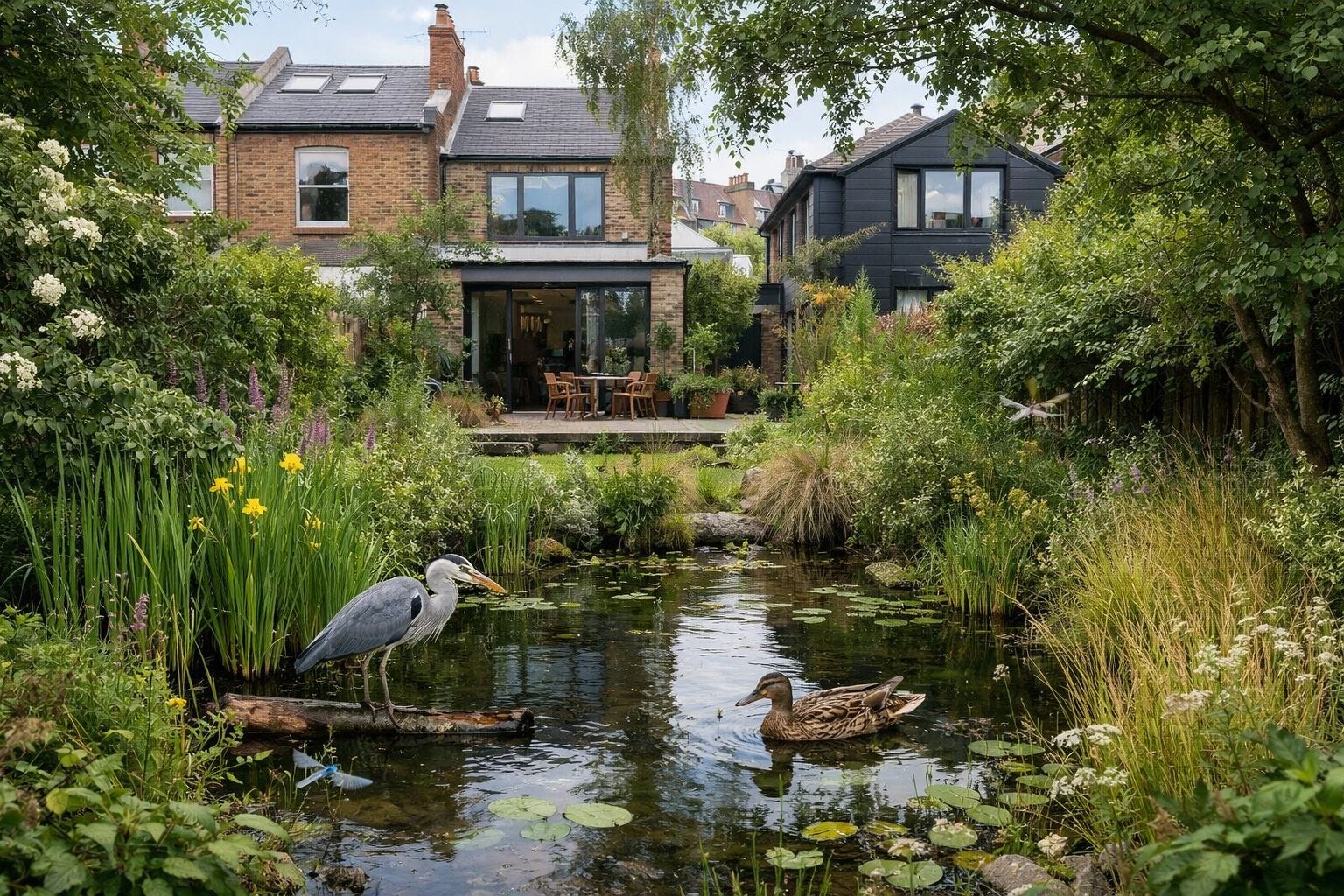
Additionally, the establishment of diverse plant communities around waterways can provide essential food sources and shelter for various species, thereby enhancing the overall biodiversity of the area. Insects, which are vital for pollination and as a food source for many birds, thrive in these enriched environments, promoting a healthy ecosystem.
Wetland areas are known to attract a variety of insects, including dragonflies, damselflies, and various species of mosquitoes. These insects play crucial roles in the ecosystem, serving as pollinators and as a food source for birds and other animals, thus contributing to the overall biodiversity of the area.
Options for Water Storage and Retention in Rewilded Gardens
Incorporating water storage and retention strategies in rewilded gardens is essential for maximising the benefits of created waterways. Some effective options include:
1. Rain Gardens: Designed to capture and absorb rainwater runoff, rain gardens can help manage excess water while providing a habitat for diverse plant species. They can be strategically placed to filter water before it enters streams or ponds.
