


London is experiencing one of it’s driest periods in decades. After months of very low rainfall and repeated heatwaves, drought has been officially declared across the capital, while water restrictions are already in place for Thames Water customers.
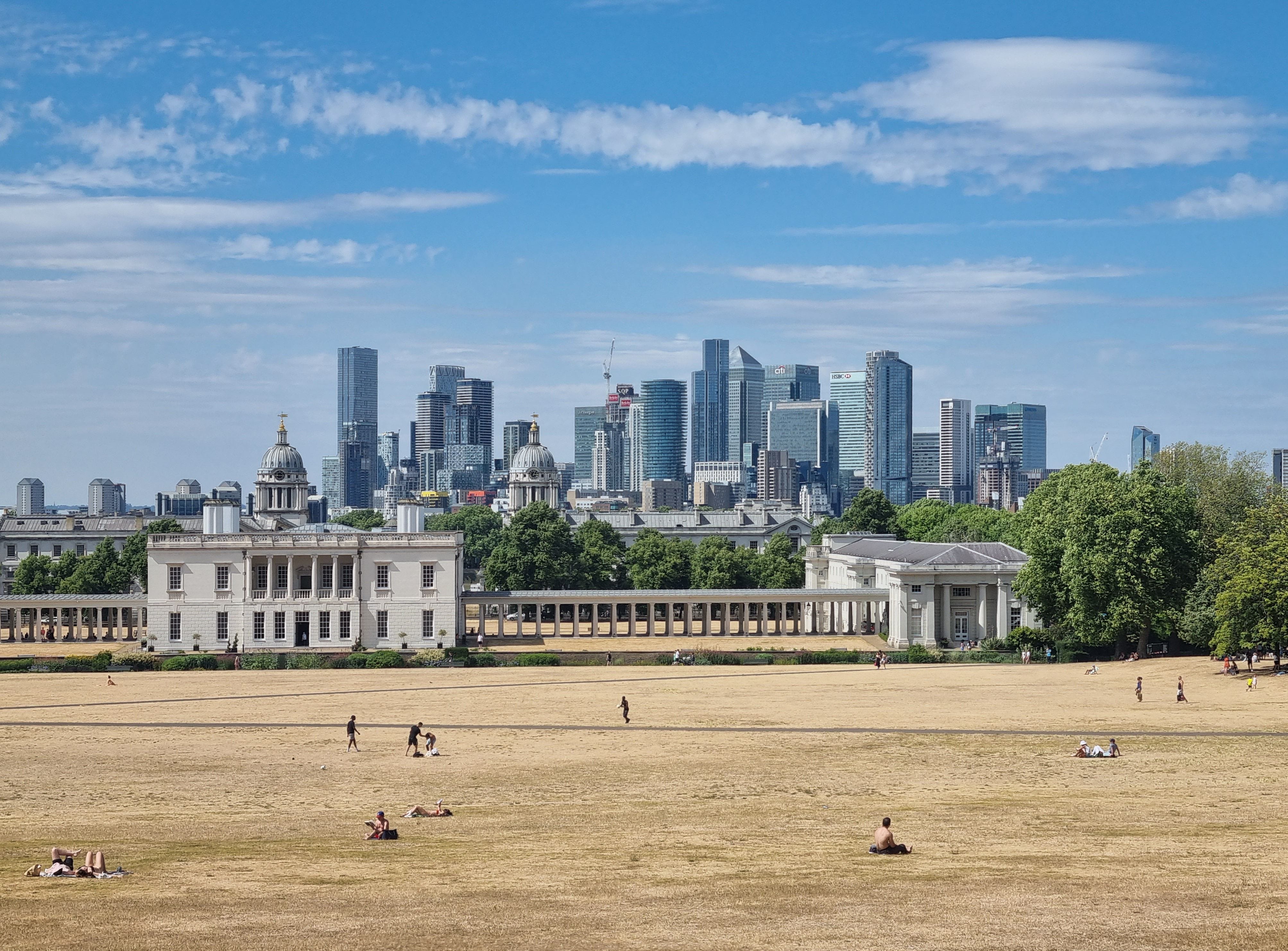
For those of us living in the city, drought can sometimes feel like something that mainly affects farmers, reservoirs and the countryside. But London’s wildlife and green spaces are feeling the effects too. Rivers and ponds are under pressure, plants are struggling in dry soils and animals are having to find water and food in increasingly difficult conditions.
There are some simple things we can all do to help.
Use less water
The most obvious place to start is at home. Small changes to everyday water use can add up when they’re made across a whole city.
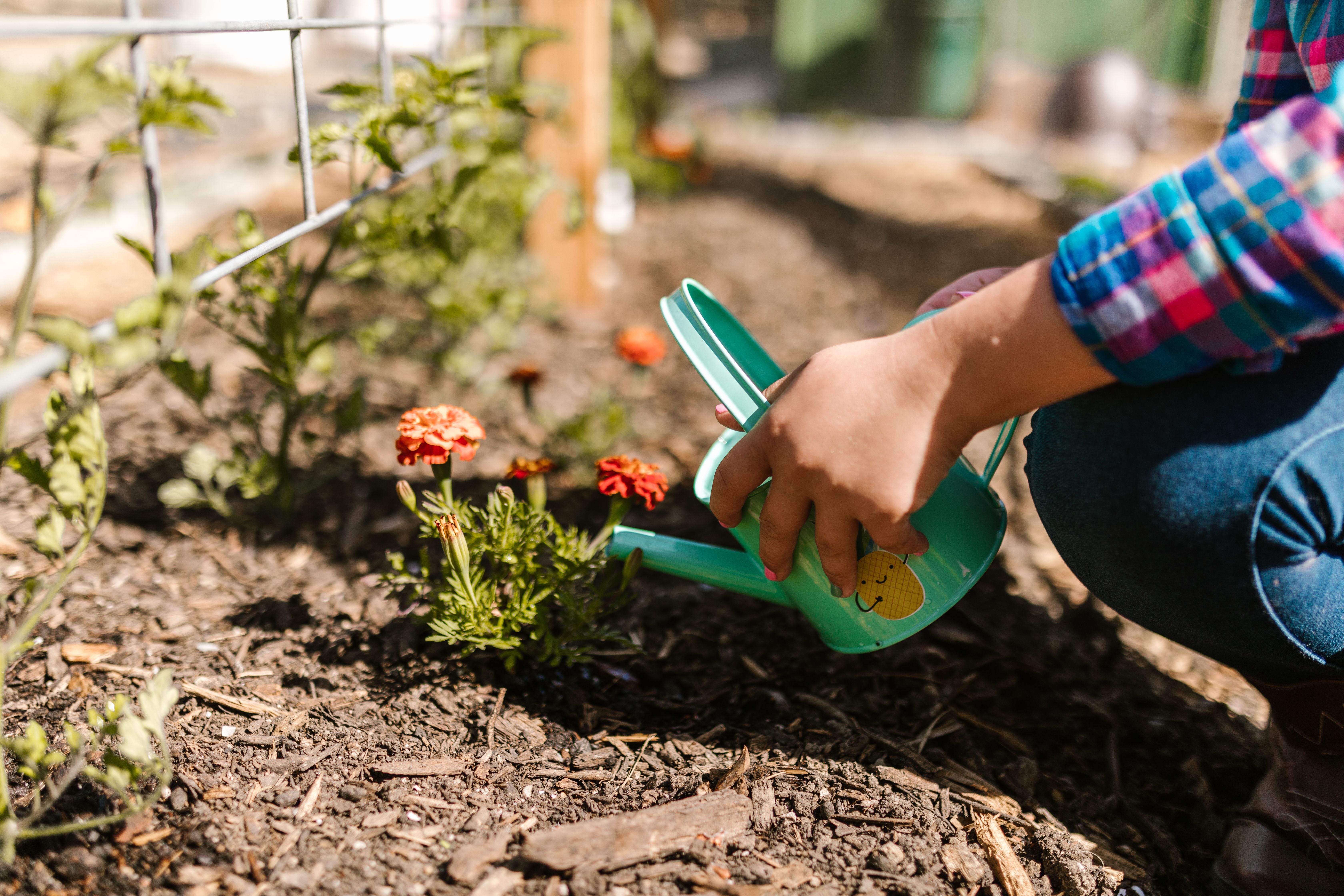
During a drought, this is particularly important when it comes to gardens and plants. If you have outdoor space, avoid unnecessary watering and follow any local water restrictions. Using a watering can rather than a hosepipe can also help you control how much water you’re using.
It’s also worth thinking about where your water comes from. Rainwater can be collected and reused for plants when conditions allow, rather than letting it disappear straight down the drain. London receives a huge amount of rainfall over the course of a year, so finding ways to keep and reuse that water can make a difference.
Don’t worry about keeping everything green
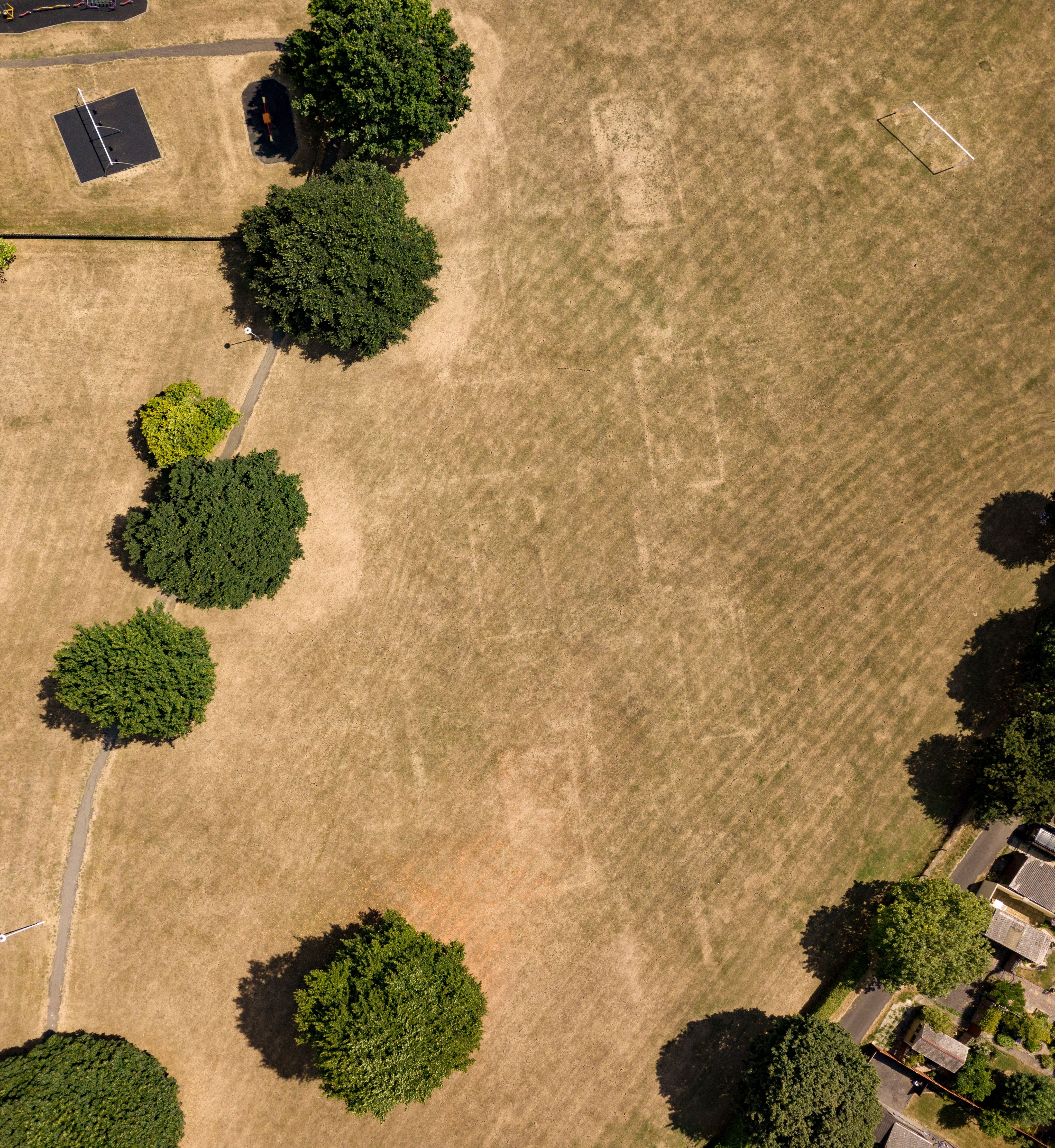
A dry lawn isn’t necessarily a problem.
During periods of drought, it’s natural for grass and some plants to turn brown. There’s no need to try to keep every patch of grass looking perfectly green.
Allowing some areas to grow naturally can actually benefit wildlife. Longer grass and wild plants provide food and shelter for insects, while reducing the need for watering and mowing.
Instead of trying to maintain a perfect lawn, we can give parts of our gardens and local green spaces the opportunity to become more wildlife-friendly.
Make space for wildlife
Drought can make it harder for wildlife to find water, particularly in built-up areas.
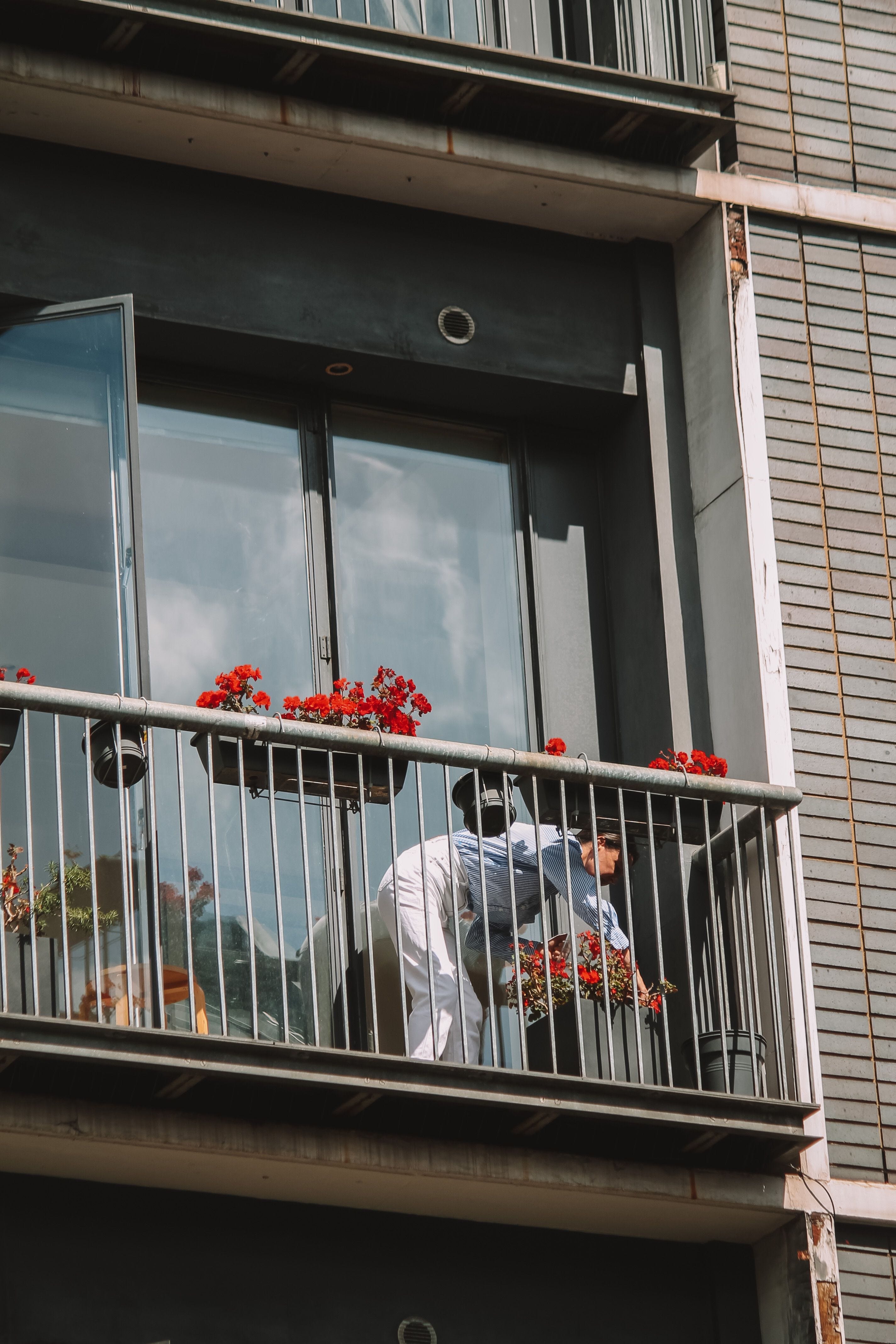
If you have a garden, balcony or other outdoor space, consider planting drought-tolerant, pollinator-friendly plants. London City Hall recommends planting flowers that provide food for bees and other pollinators, while also highlighting the importance of drought-resistant gardening.
Even a small space can help. London has almost a quarter of its land area covered by gardens, meaning individual gardens can collectively create important networks of habitat across the city.
Think about how rain moves through the city
It might seem strange to think about rain during a drought, but how we manage rainfall is becoming increasingly important.
A lot of London’s urban landscape is covered by paving, concrete and other impermeable surfaces. When it does rain, water can quickly run into drains rather than soaking into the ground.
Removing a small section of paving, planting a garden or creating a rain garden can help water soak into the soil instead. These changes can support wildlife, reduce surface water flooding and help retain more water within the environment.
Look after your local green spaces
You don’t need a garden to help.
Community gardens, parks, nature reserves and local wildlife projects all rely on people getting involved. Volunteering, joining a local planting project or simply helping to look after a shared green space can make a difference.
London already has thousands of people volunteering to manage habitats, record wildlife and support local nature projects.
Drought is a reminder that our green spaces need looking after just as much as we do. And when those spaces are cared for by the communities around them, they can become more resilient to the challenges of a changing climate.
Small changes add up
There’s no single thing that will solve London’s water problems, and individual action shouldn’t take the place of the bigger changes needed from water companies and policymakers.
But there are things we can do in our own homes and neighbourhoods.
Use less water. Let some areas grow. Plant for wildlife. Collect rainwater where appropriate. Support your local green spaces.
London is already a surprisingly green city, and its gardens, parks, rivers and smaller pockets of nature are all connected. Looking after them means looking after the wildlife that depends on them, too!
The drought is a difficult reminder of how much we rely on water. It also gives us an opportunity to think differently about how we use it and how we create greener, more resilient places to live.
Sometimes helping nature starts with simply making a little more space for it!