


LettsSafari spent a few days exploring Wrocław, and one thing became obvious almost immediately: the city feels calmer.
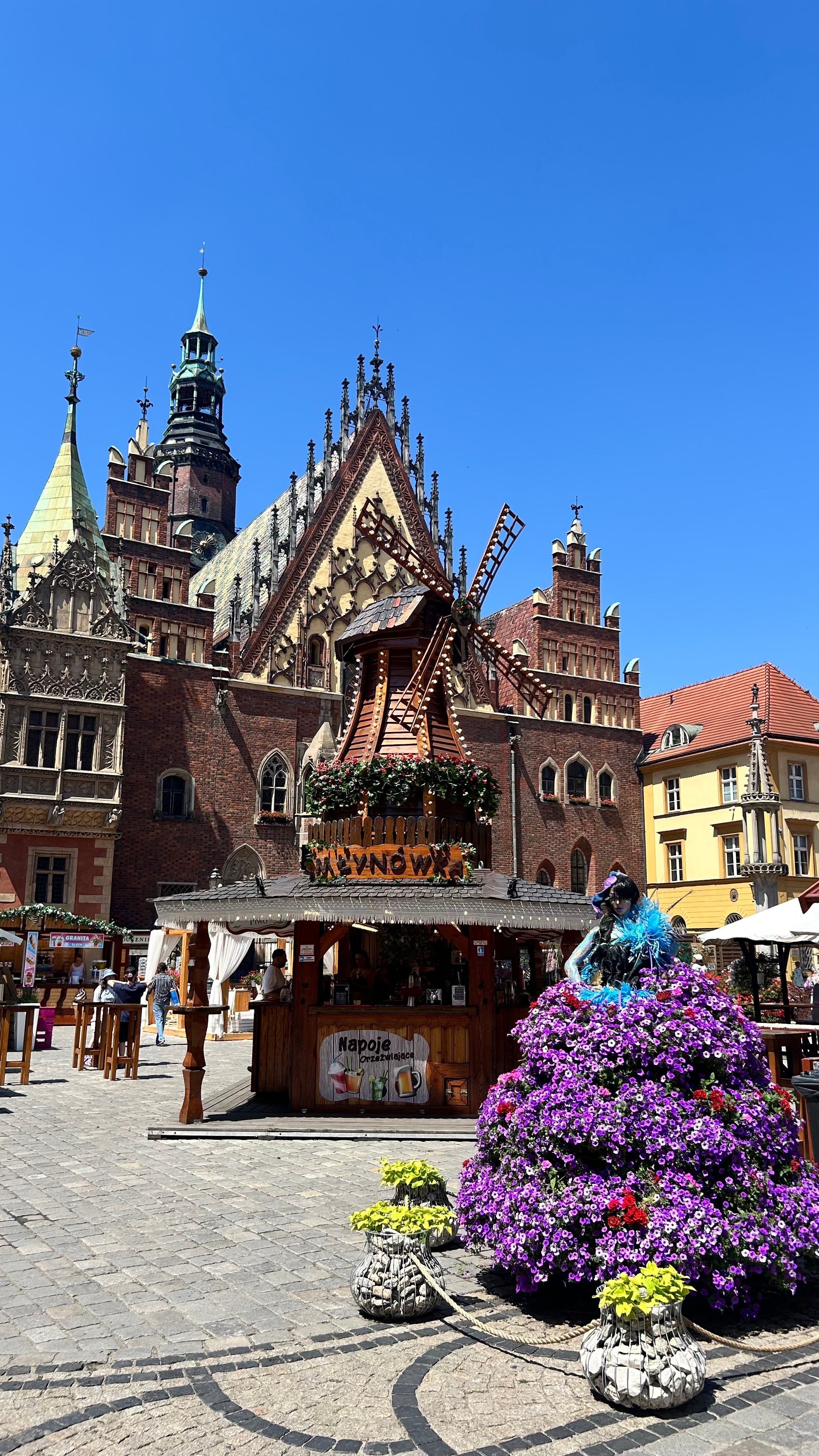
It’s not because it’s noticeably quieter and cleaner than London or other UK cities. It’s because nature is built into everyday life.
That constant presence of nature completely changes the atmosphere. The air feels fresher, birdsong fills the trees, and wherever you look there are colourful flowers, mature trees and green spaces woven into the streets. It’s easy to underestimate the impact this has, but research consistently shows that spending time around nature can reduce stress, improve mood and support better mental wellbeing. In Wrocław, those benefits don’t feel confined to a visit to the park, they’re part of everyday life.
The Numbers
Before comparing Wrocław with the UK, it’s worth looking at the facts.
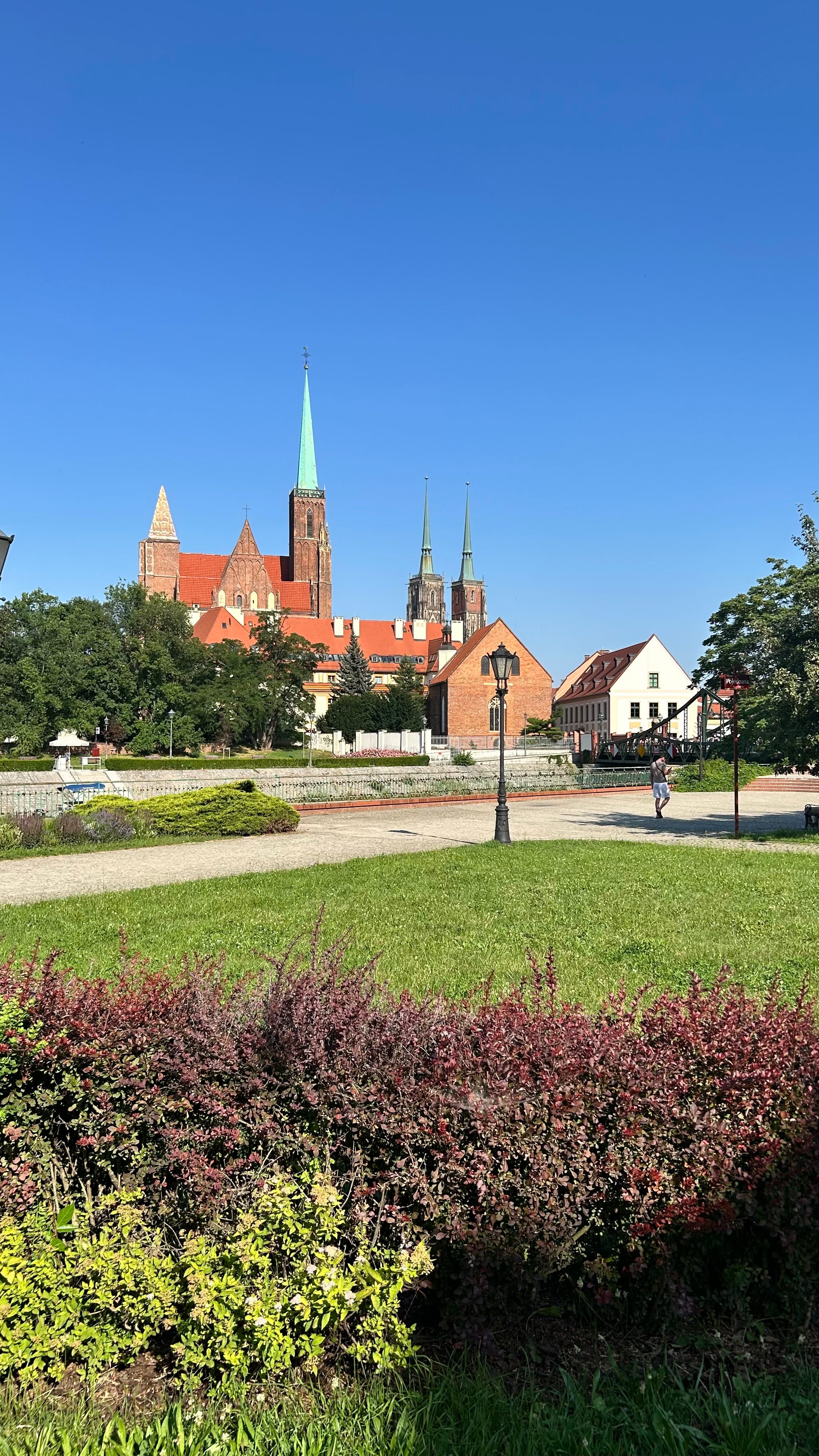
Around 35% of Wrocław is made up of green space. The city has 44 official parks covering around 800 hectares, along with five rivers that split into canals and smaller waterways, earning it the nickname “the city of a hundred bridges”.
London is actually greener than many people realise. Public green space accounts for around 20% of the city, but once private gardens, tree canopy, road verges and green roofs are included, that rises to roughly 47%. On paper, London is one of the greenest capital cities in the world.
So this isn’t a case of one city having more green space than the other.
One of the biggest differences is tree cover. Poland has more than double the UK’s forest cover, around 31% compared with 13%, and that difference is noticeable. Even in the middle of Wrocław, trees seem to be everywhere.
It’s not just the parks
This is the part that’s much harder to measure.
In many UK cities, green space is something people travel to. Parks, riversides, gardens etc are wonderful places to spend time, but they’re often destinations.
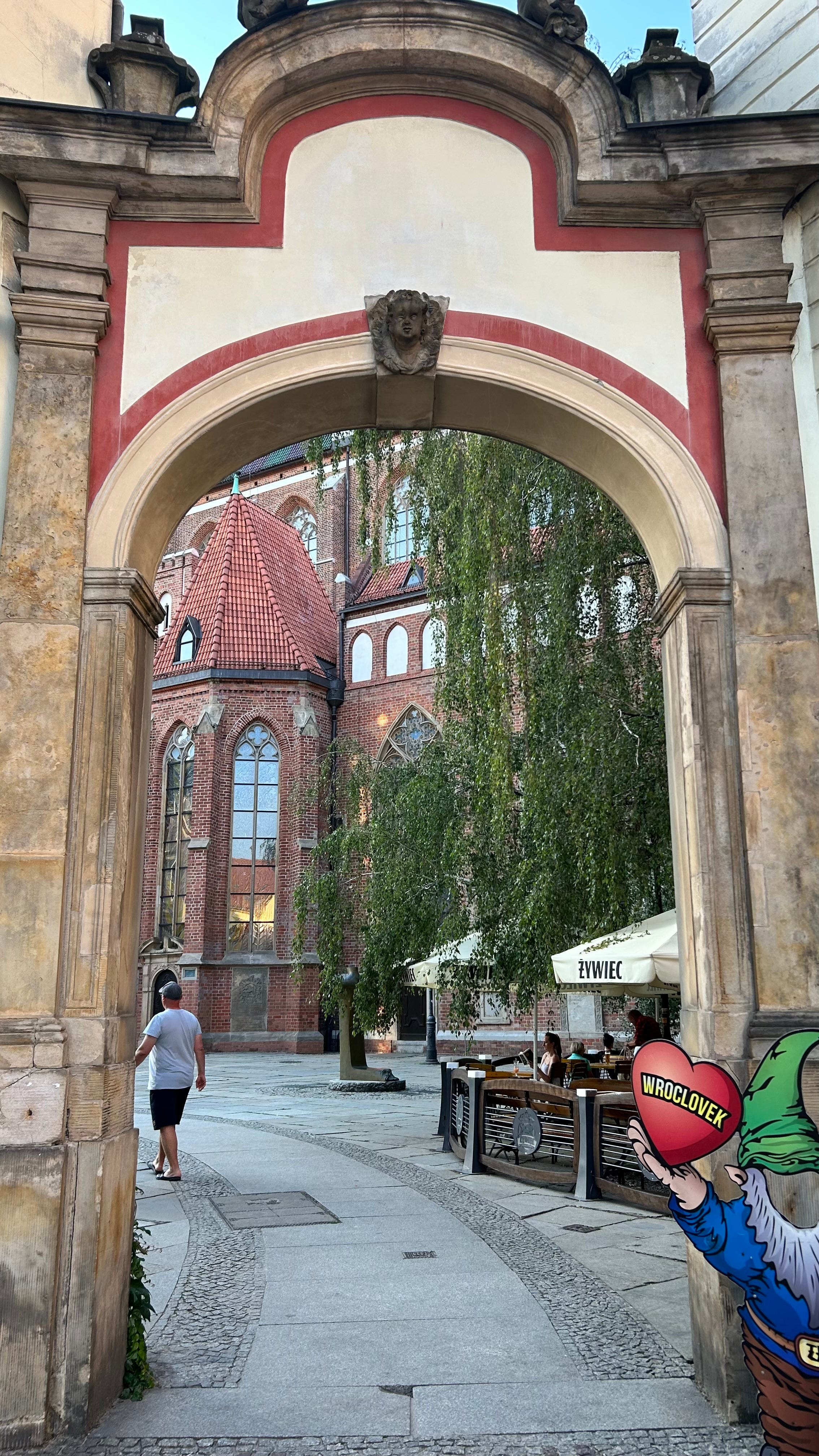
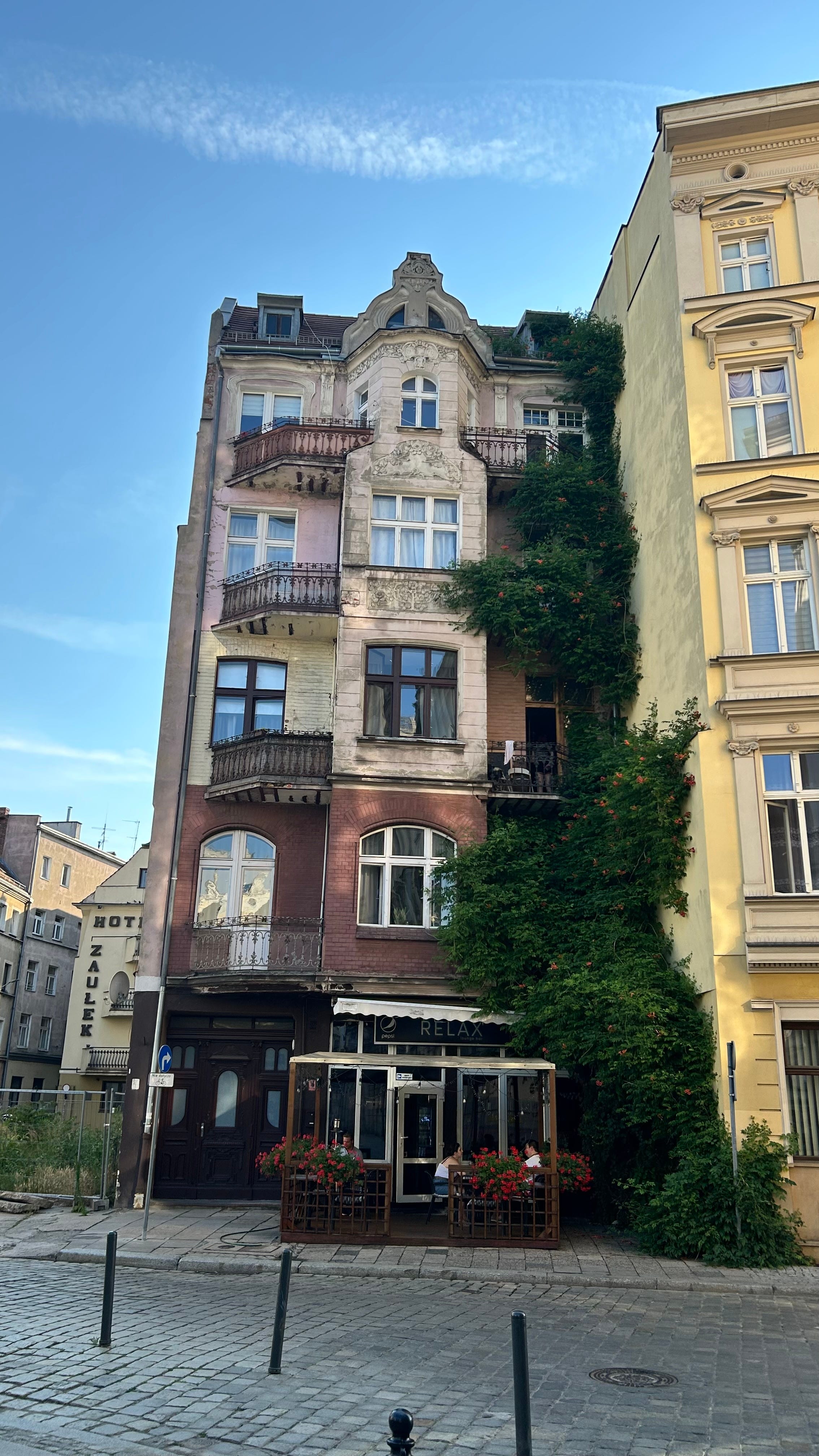
In Wrocław, greenery is spread throughout the city instead. Behind apartment buildings are leafy courtyards filled with mature trees and plants. Cafés spill out into green outdoor spaces. Balconies are filled with flowers, herbs and vegetables.
The houses stand out too.
The average single-family home in Poland is around 130 m², compared with roughly 76 m² for a new-build home in the UK. But the biggest difference isn’t necessarily the size of the house, it’s the garden. While plot sizes vary, a typical detached home in Poland sits on around 600–800 m² of land, leaving hundreds of square metres for gardens, trees and growing space. Rather than being an afterthought, outdoor space remains an integral part of many Polish homes.
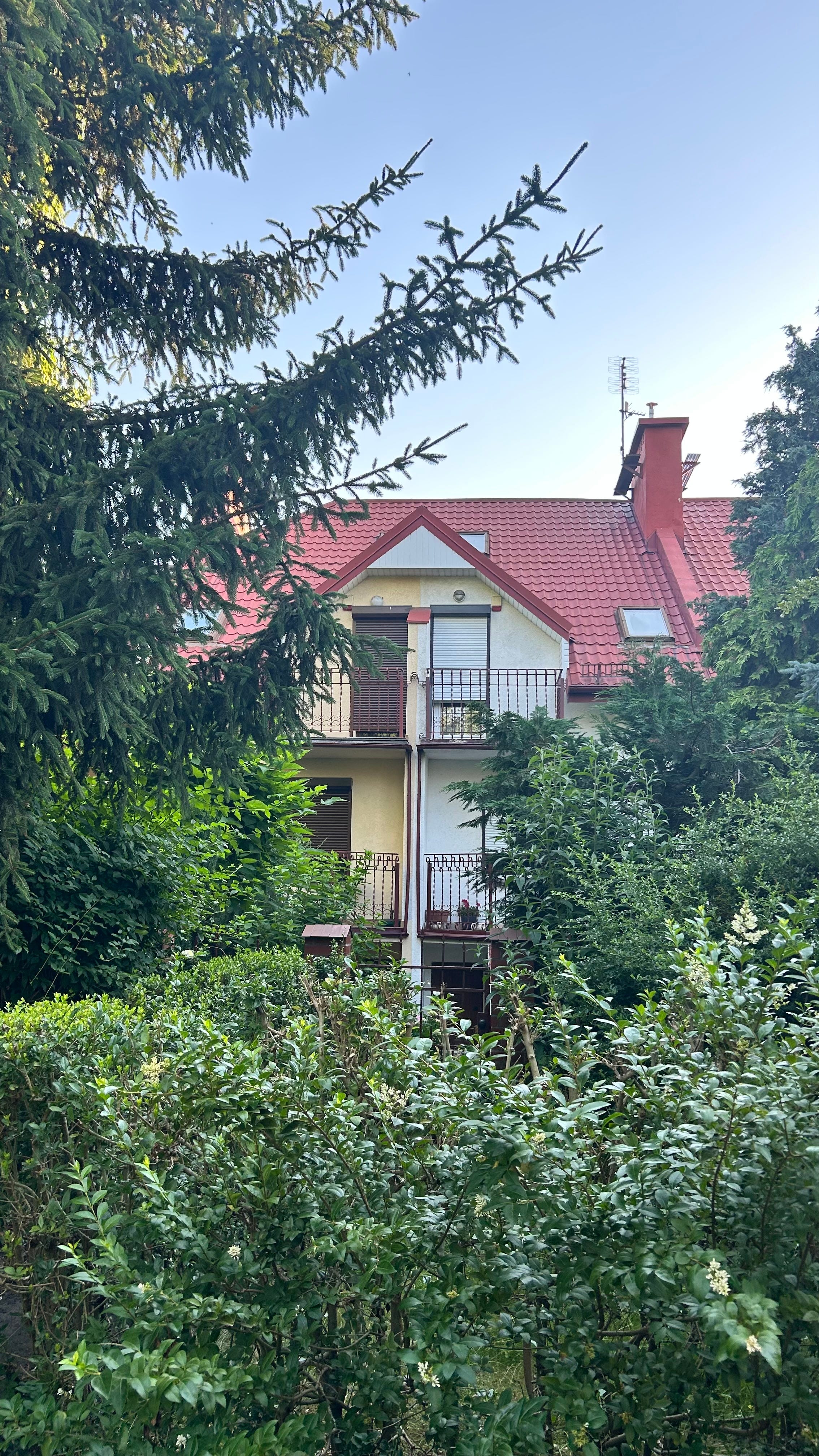
In the UK, gardens are often one of the first things reduced as housing density increases. In Poland, they are an incredibly important part of the home itself.
What the UK could take from this
Protect gardens when building new homes rather than treating them as optional extras.
Add more greenery to the spaces between parks, including residential streets, courtyards, shopping areas and public spaces in general.
Encourage people to grow food at home, whether that’s in a garden, on a balcony or in a window box.
Prioritise planting and protecting street trees, not just trees within parks.
The UK already has impressive green space statistics, so this isn’t about suggesting it’s getting everything wrong.
What Wrocław demonstrates especially well is how nature can become part of everyday life. Instead of being somewhere people visit, it becomes something they experience without thinking about it. It’s a simple difference, but one that has a very noticeable impact on how a city feels.
Check out our Instagram for more content from the trip capturing many of these spaces, from rivers and leafy courtyards to residential gardens that help make Wrocław feel so connected to nature!