


In a bold move that’s turning heads across the conservation world, the UK government has announced plans to reintroduce lost native wildlife species including white-tailed eagles, pine martens and beavers to landscapes across England This long-debated strategy, finally being fast-tracked by policy makers, marks one of the most ambitious nature restoration efforts in decades and shines a spotlight on urban and rural rewilding alike.
Bringing Back Lost Wildlife
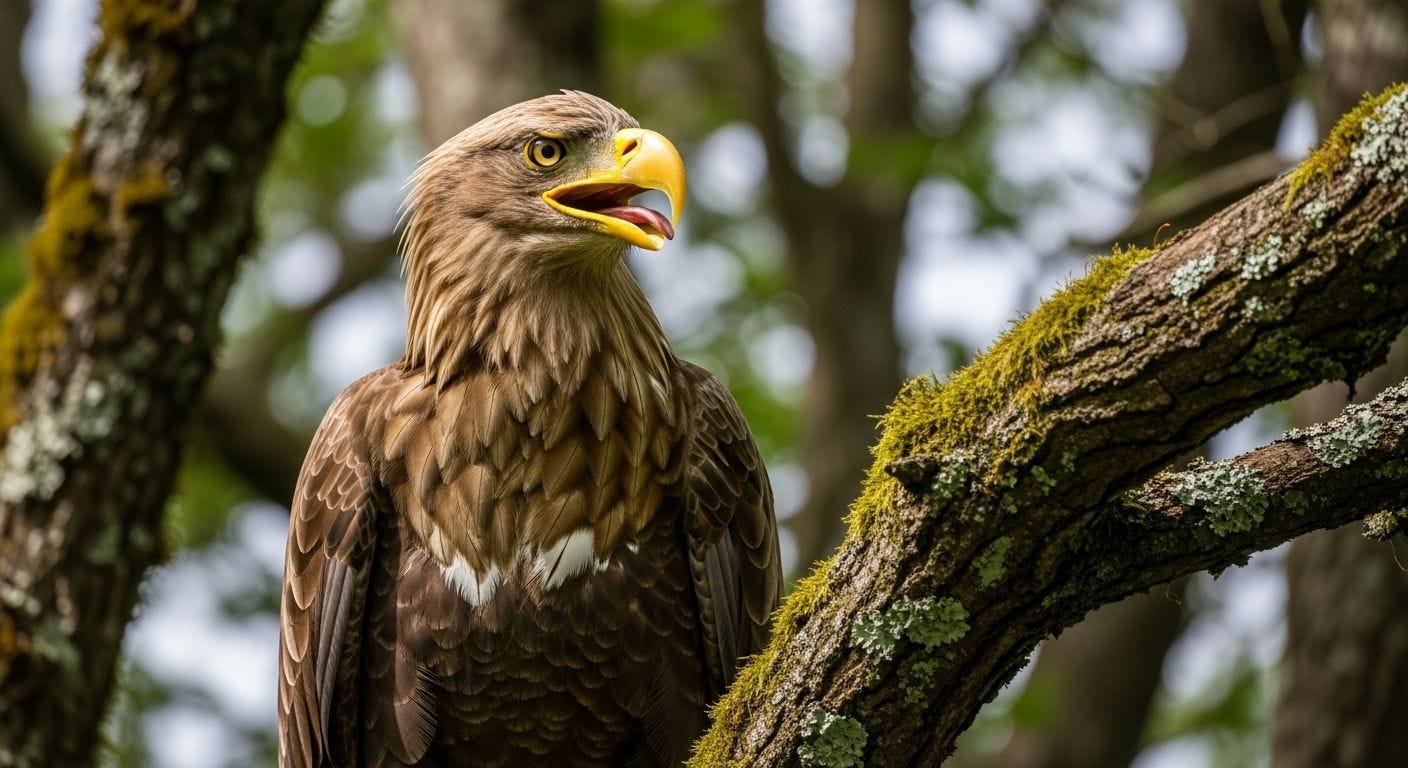
For centuries, species like the white-tailed eagle, once native to English skies, were driven out by habitat loss, persecution and changing land use. The plan now is to release these majestic birds on places like Exmoor, and reintroduce beavers and pine martens across properly prepared river corridors and woodland mosaics.
This isn’t just symbolic. Each of these species is a keystone player in healthy ecosystems:
Beavers create wetlands that buffer floods, grow biodiversity and store carbon.
Pine martens help balance small mammal populations and restore woodland food webs.
White-tailed eagles top the food chain and are powerful indicators of ecosystem health.
By restoring these missing links, the restoration plan is laying the groundwork for ecosystem processes to re-establish themselves, from water filtration to pollination and nutrient cycling, across landscapes that have been managed intensively for generations.
Why This Matters for England (and Beyond)
The ecological case for reintroduction is grounded in science: rewilding missing species reawakens nature’s capacity to self-organise and recover. And while much of the focus has been on wilder rural landscapes, the ripple effects touch towns and cities too.
Here’s how:
✅ Urban Nature Networks: Restored rivers and wetlands improve water quality and create green corridors that connect countryside with cities.
✅ Biodiversity Boost: More species equals richer ecosystems - meaning more birds, insects and wildlife in peri-urban and suburban areas.
✅ Climate Resilience: Beavers, for example, create ponds and wetlands that store carbon and help urban fringe environments adapt to storms.
✅ Public Engagement: Seeing big wildlife return fuels interest in local wild places and inspires community-led rewilding.
LettsSafari’s View: How This Fits the Bigger Nature Recovery Picture
At LettsSafari, we believe that nature restoration is not an abstract concept only for protected parks - it’s something that can and should be connected with everyday life and local places.
Here’s how this national initiative aligns with our ideas:
Nature at Every Scale: Large reintroductions support landscapes, while smaller habitat enhancements, like creating wet slogs in gardens or rewilding corners of parks, complement these efforts locally.
Connecting People and Nature: When people can see, hear, or even help protect returning species on their doorstep, it creates a culture of stewardship that drives long-term restoration.
From Policy to Practice: Government policy opens doors; community action fills them. LettsSafari equips people with practical steps and inspiration they can use right now from wildlife-friendly planting guides to community rewilding workflows.