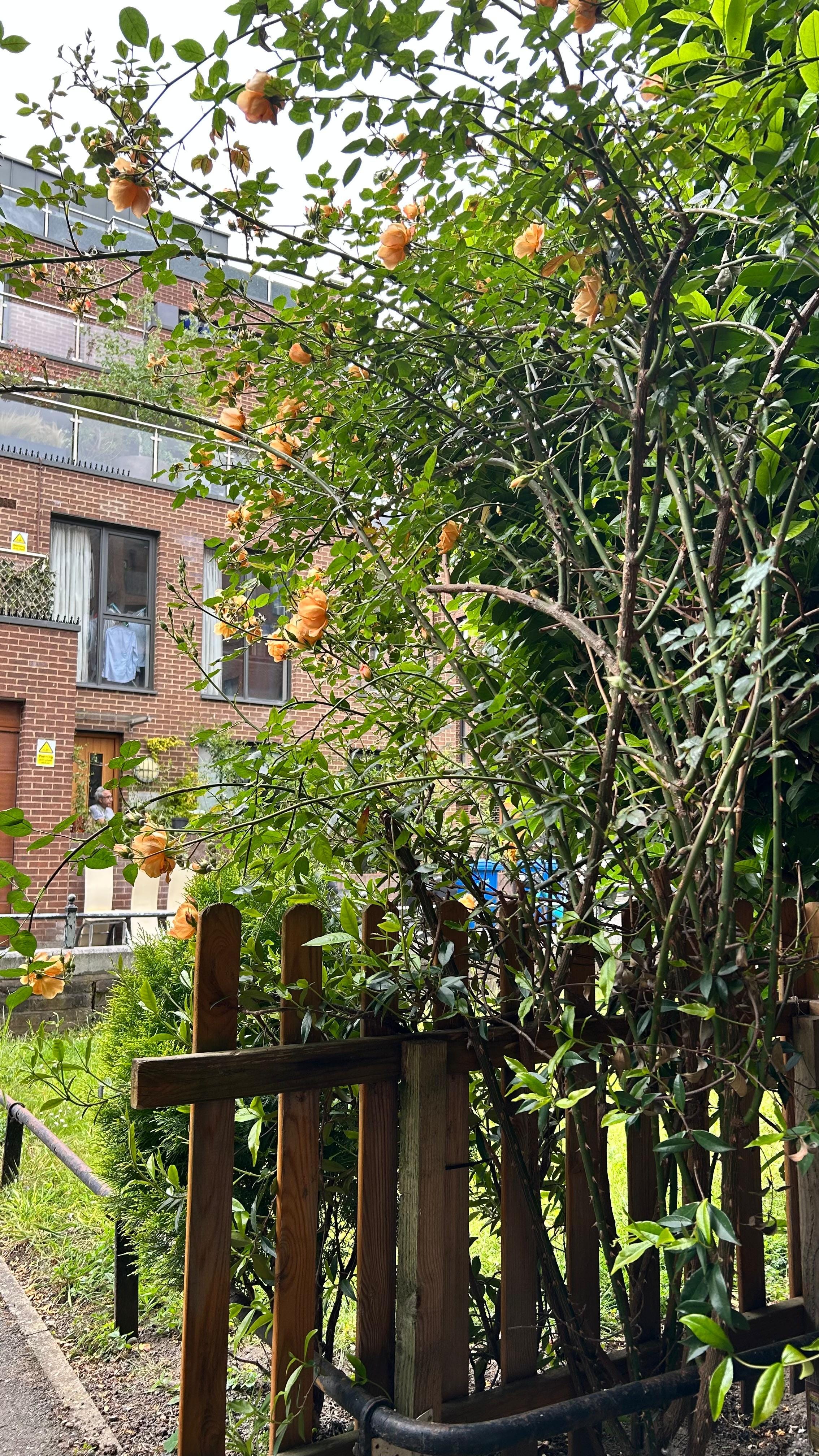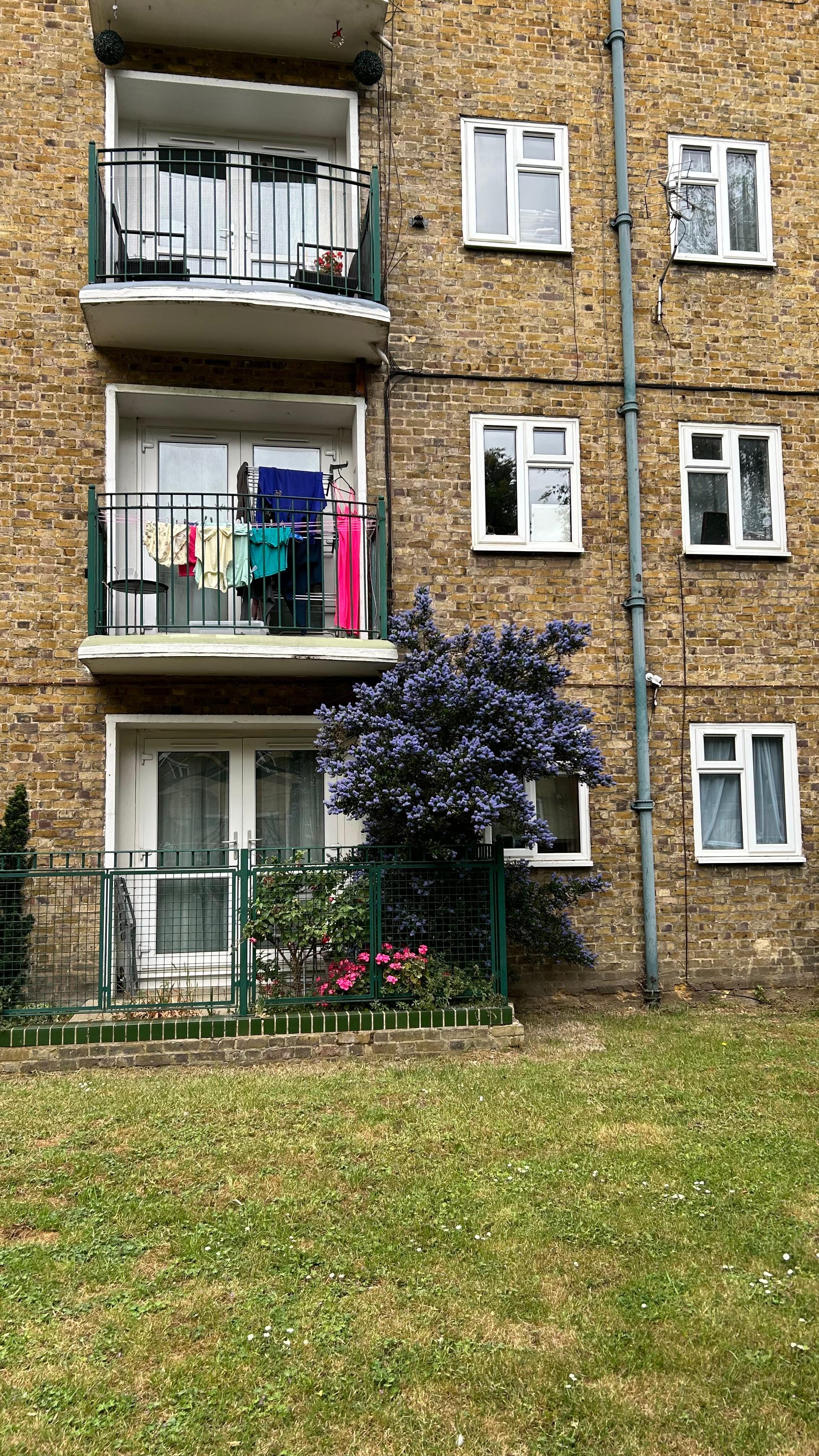
This National Garden Week, it’s easy to picture sprawling countryside gardens, perfectly maintained flower beds and acres of green space. But for many people living in towns and cities, gardening looks very different.
It might be a few pots on a balcony.
A planter box outside a flat.
A shared community garden tucked behind a church.
A neglected corner of land transformed by volunteers.
In urban areas, gardens are often small, improvised and shaped by the space available. Yet their impact can be surprisingly significant.
As our towns and cities become increasingly built up, access to nature is becoming more important, not less. Research continues to show that spending time in green spaces can improve wellbeing, reduce stress and strengthen community connections. Yet many urban residents have limited access to private gardens or larger natural spaces.
This is where local gardens become so valuable.
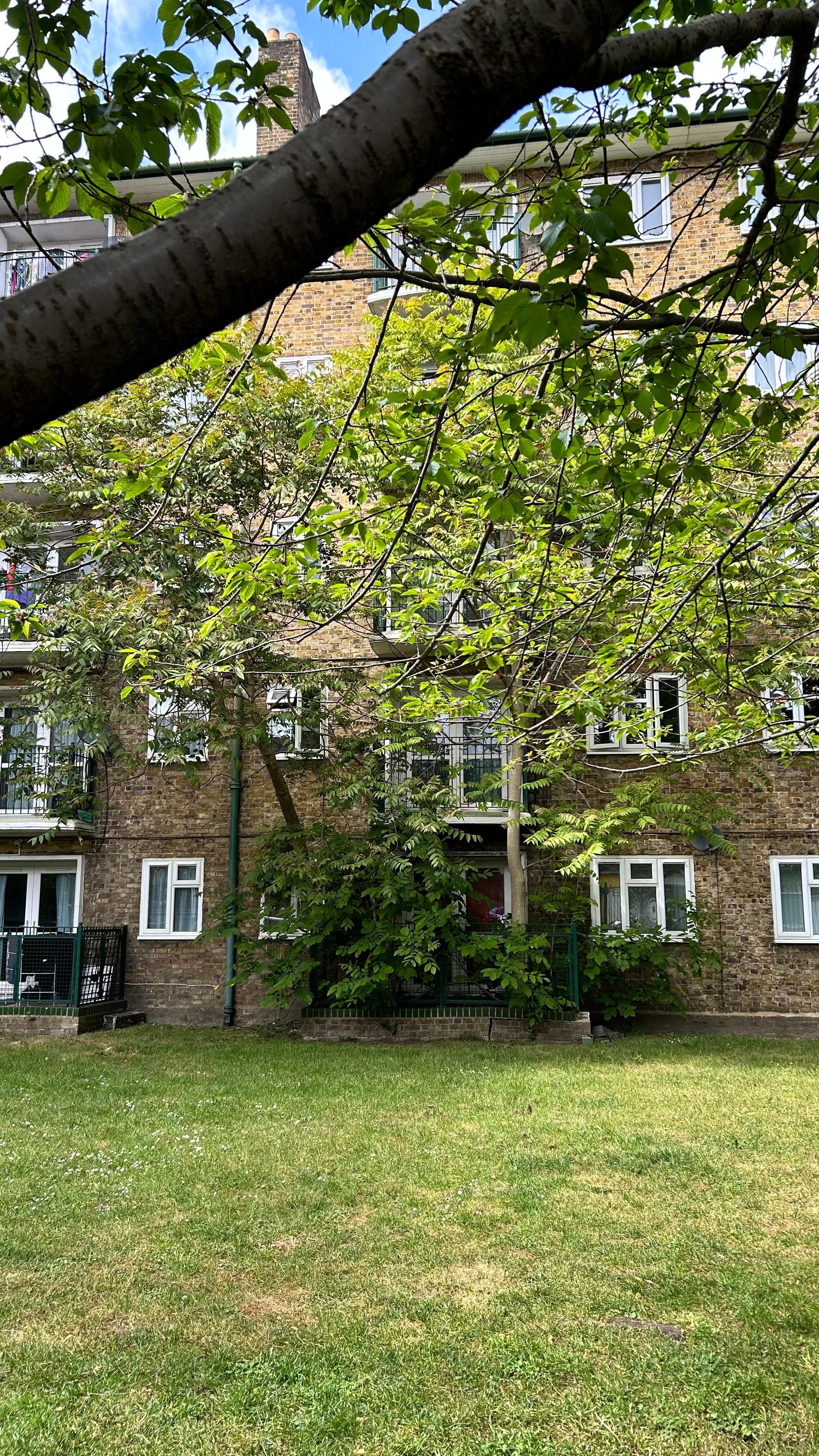
Across London and other UK cities, community gardens are quietly creating opportunities for people to connect with both nature and one another. They provide habitats for pollinators, places to grow food, opportunities to learn new skills and spaces where neighbours can meet who might otherwise never speak.
These spaces are rarely just about gardening.
They’re about community.
They’re about creating something collectively that benefits everyone.
One bee-friendly planter might seem insignificant on its own, but when multiplied across thousands of balconies, windowsills, front gardens and community spaces, the impact becomes much larger. Urban wildlife relies on these connected pockets of habitat to move through our cities.
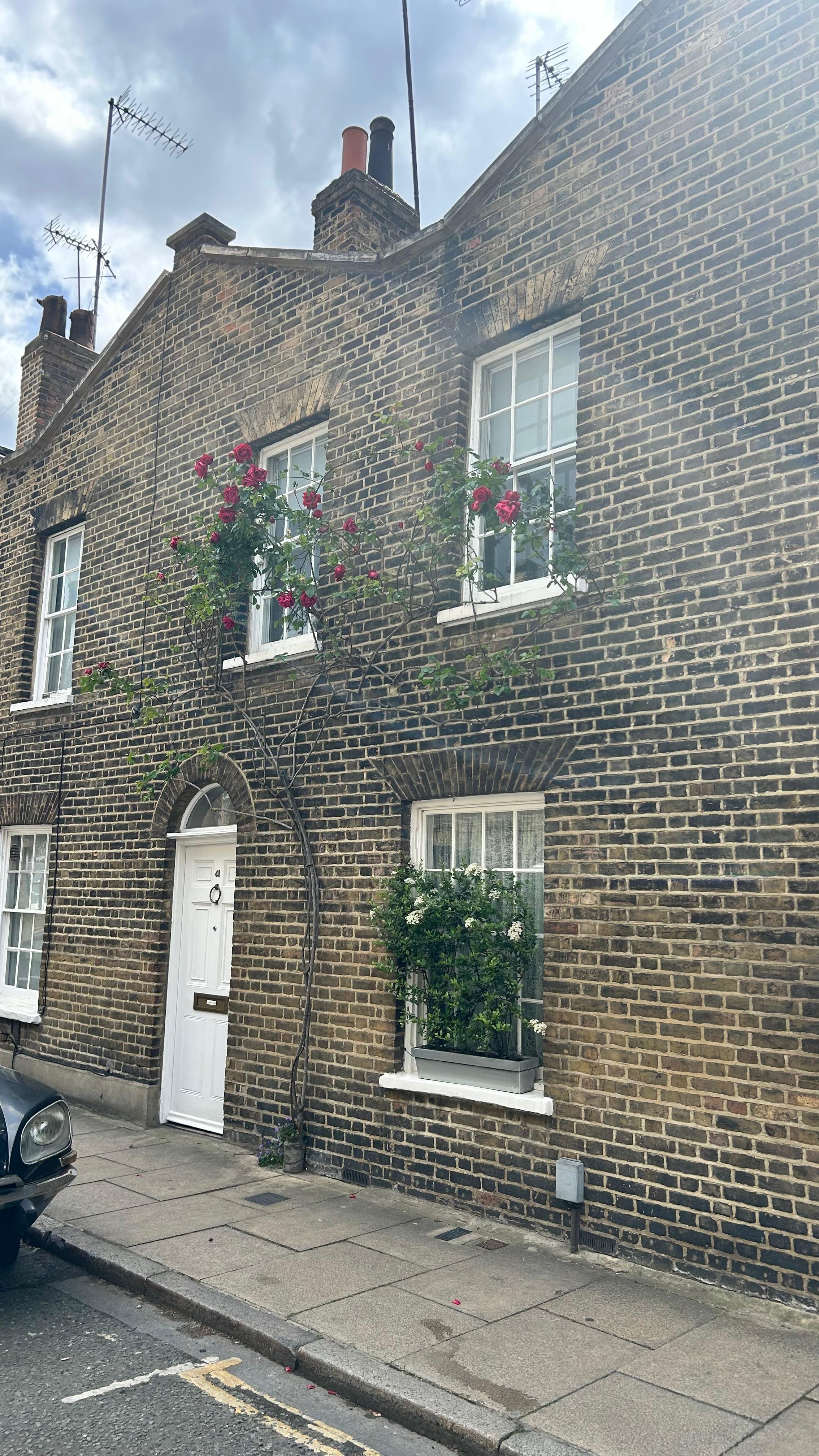
National Garden Week is also a reminder that gardening doesn’t have to be expensive, time-consuming or require a large amount of land.
You don’t need a countryside cottage.
You don’t need acres of space.
You don’t even need a garden.
A few pollinator-friendly plants in a container can provide food for bees and butterflies. A small herb garden can reconnect people with food growing. Volunteering at a community garden for a few hours a month can help support local biodiversity while building relationships within your neighbourhood.
Some of the most inspiring urban gardens aren’t the biggest or most impressive. They’re the ones created by ordinary people who looked at an unused space and saw potential.
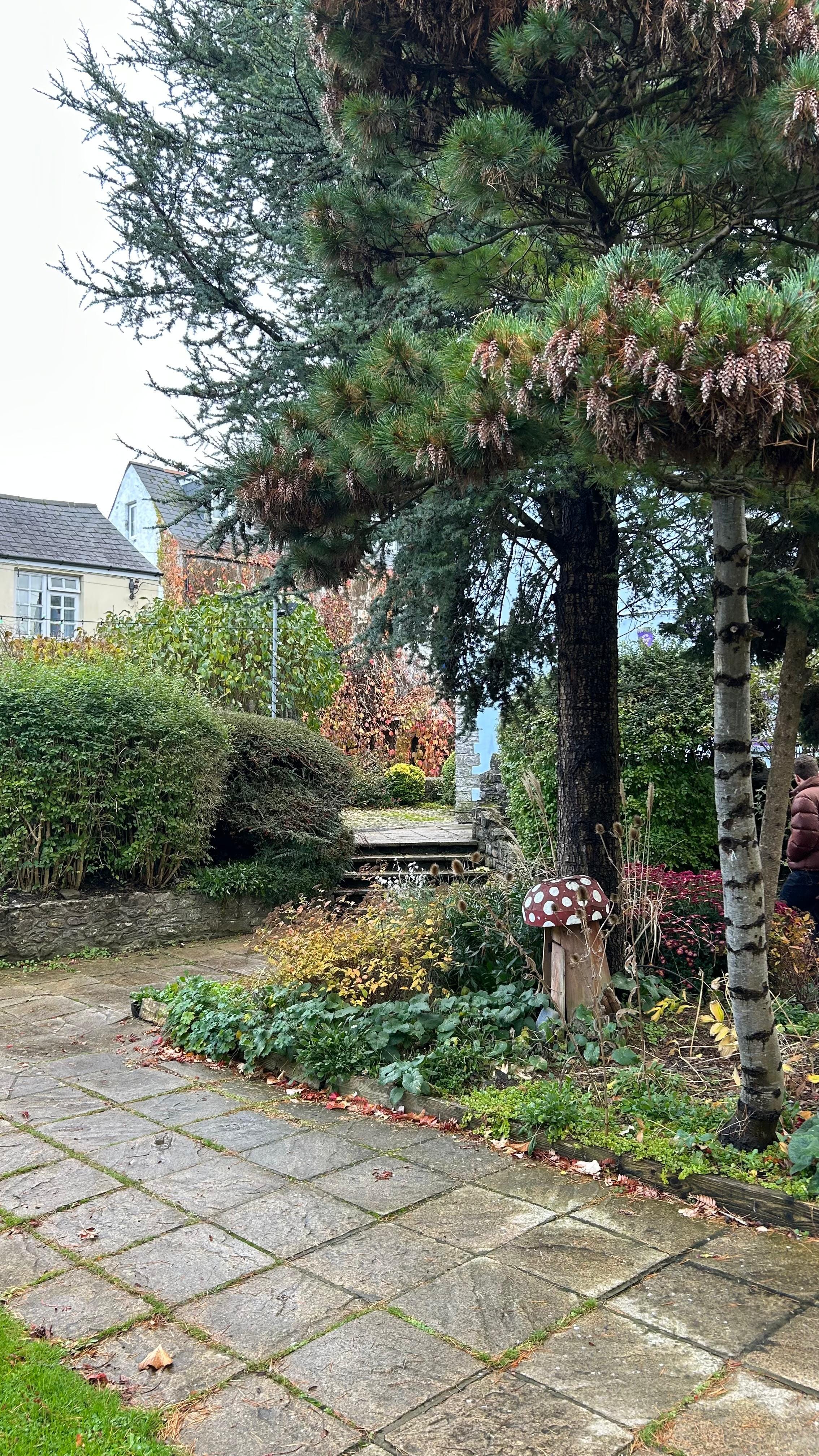
As we celebrate National Garden Week, perhaps it’s worth paying closer attention to the green spaces around us. The community garden you’ve never visited. The volunteer project you’ve walked past dozens of times. The neglected corner that could become something more.
Cities need nature, but nature also needs people willing to make space for it.
Whether that’s through a community garden, a window box or a single pot of wildflowers, every garden has the potential to contribute to a greener, healthier and more connected urban environment.
This National Garden Week, why not explore a local community garden, support a neighbourhood growing project or simply plant something for pollinators?
Small actions, multiplied across a city, can make a remarkable difference.