Living in a city can sometimes make you feel strangely disconnected from the place you actually live in.
We walk the same streets every day, pass the same buildings, rush between work, home and responsibilities, yet often know very little about what is happening around us. So many meaningful community spaces exist quietly in the background, hidden in plain sight.
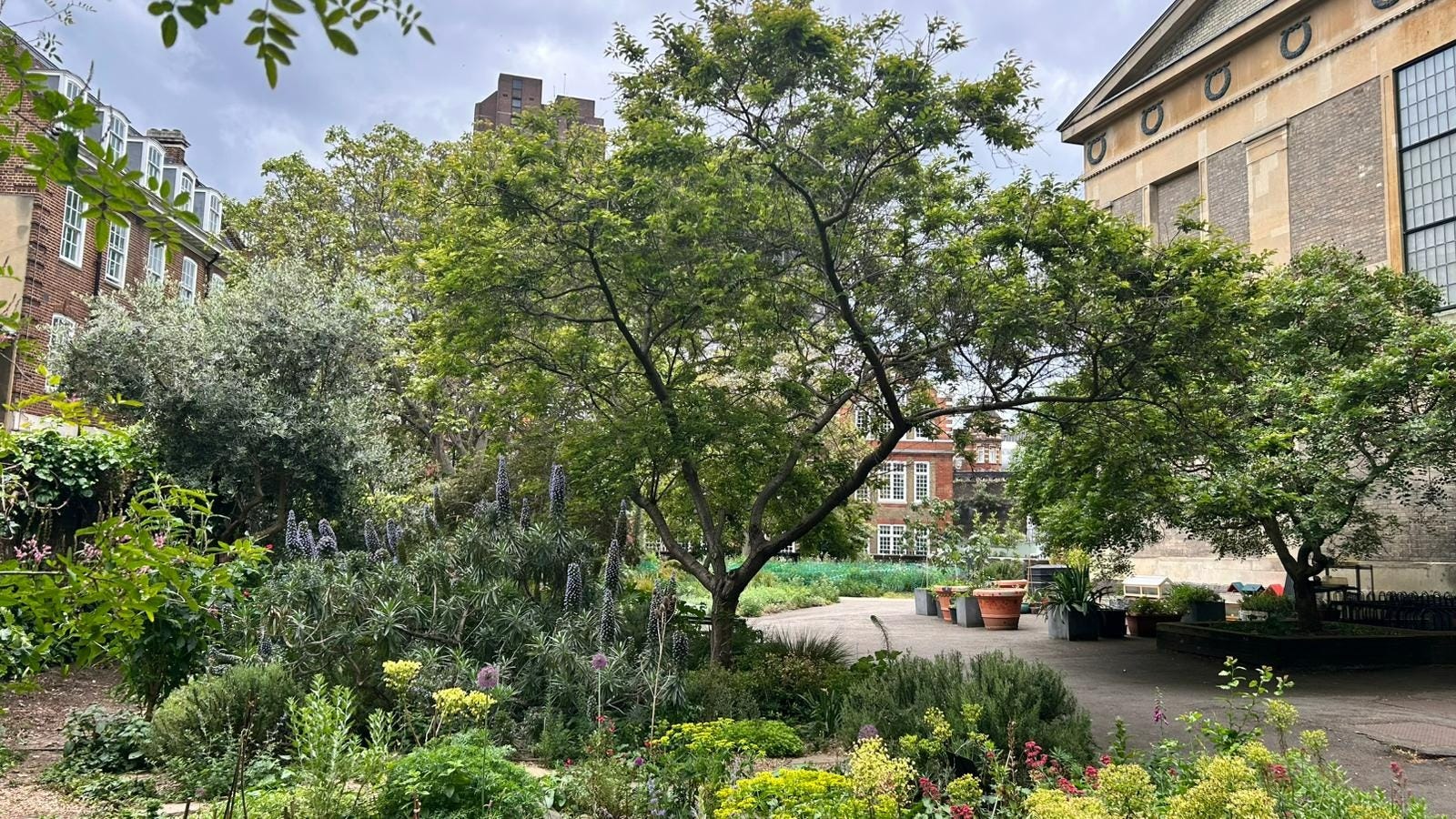
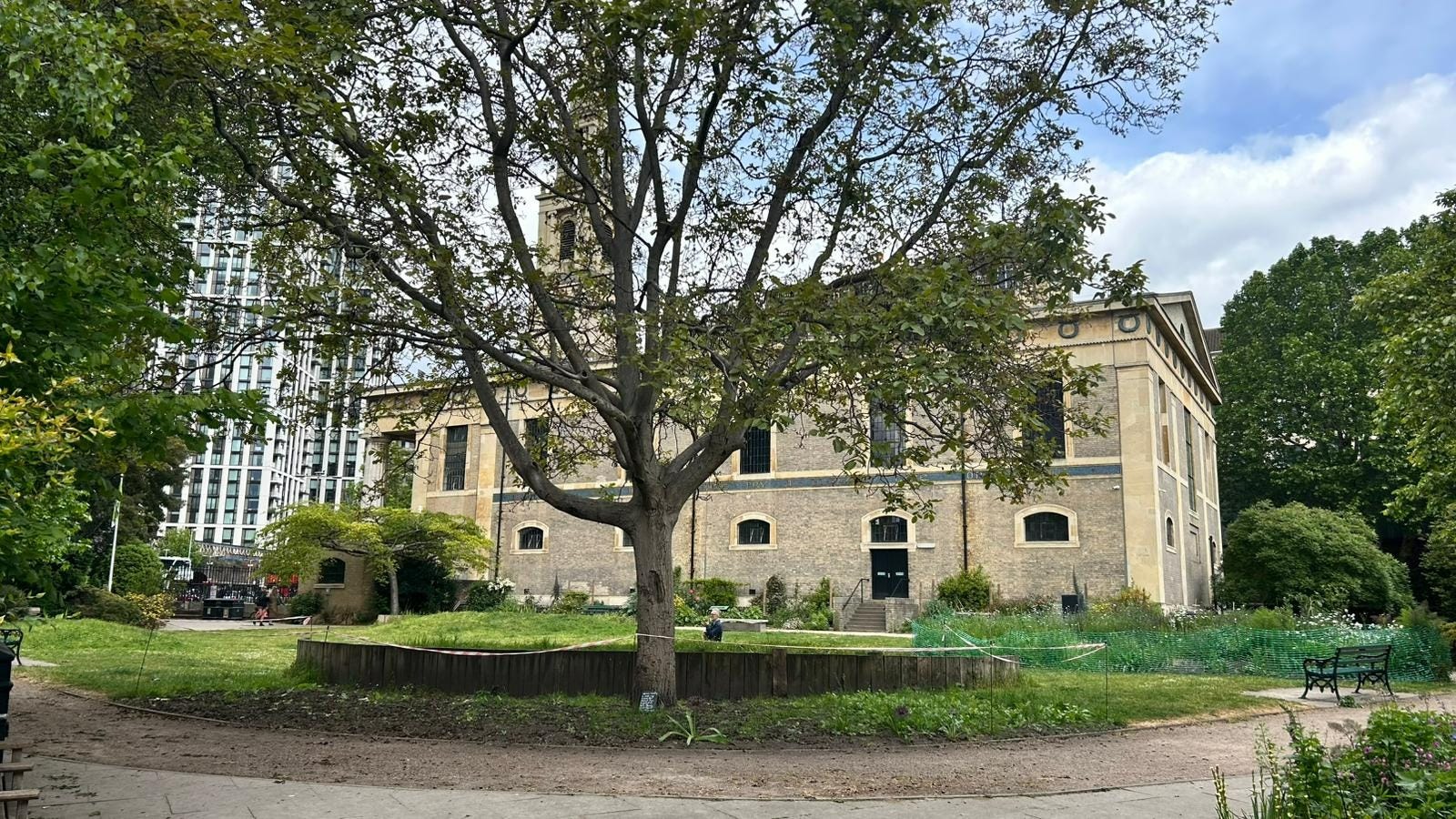
Recently, I visited St. John’s Church Gardens in Waterloo, and it genuinely made me reflect on how much more involved we should all be in our local neighbourhoods.
What struck me most is that I have lived in this area for years and somehow never knew it existed.
In the middle of one of the busiest parts of London, surrounded by traffic, offices and constant movement, there is this peaceful community-led green space filled with plants, wildlife and people simply taking care of something together.
Why Spaces Like This Matter
Community gardens are about far more than growing flowers or vegetables. They create spaces where people can slow down, connect and contribute to something meaningful within their local area.
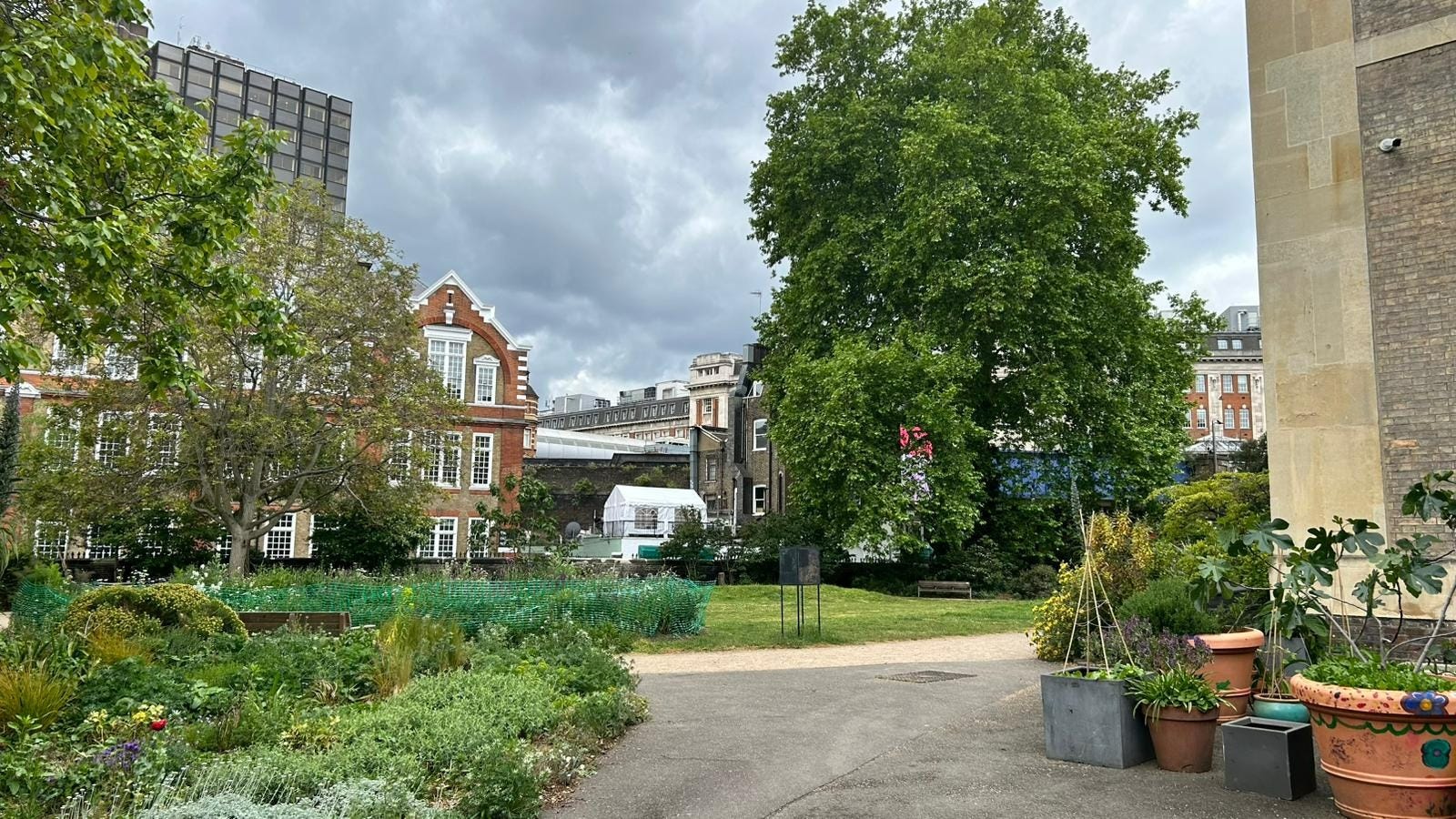
At St. John’s Church Gardens, that sense of care and collaboration is everywhere. The garden has become an important public green space in Waterloo, welcoming local residents, commuters, office workers, students and passers-by looking for a moment of calm in the city.
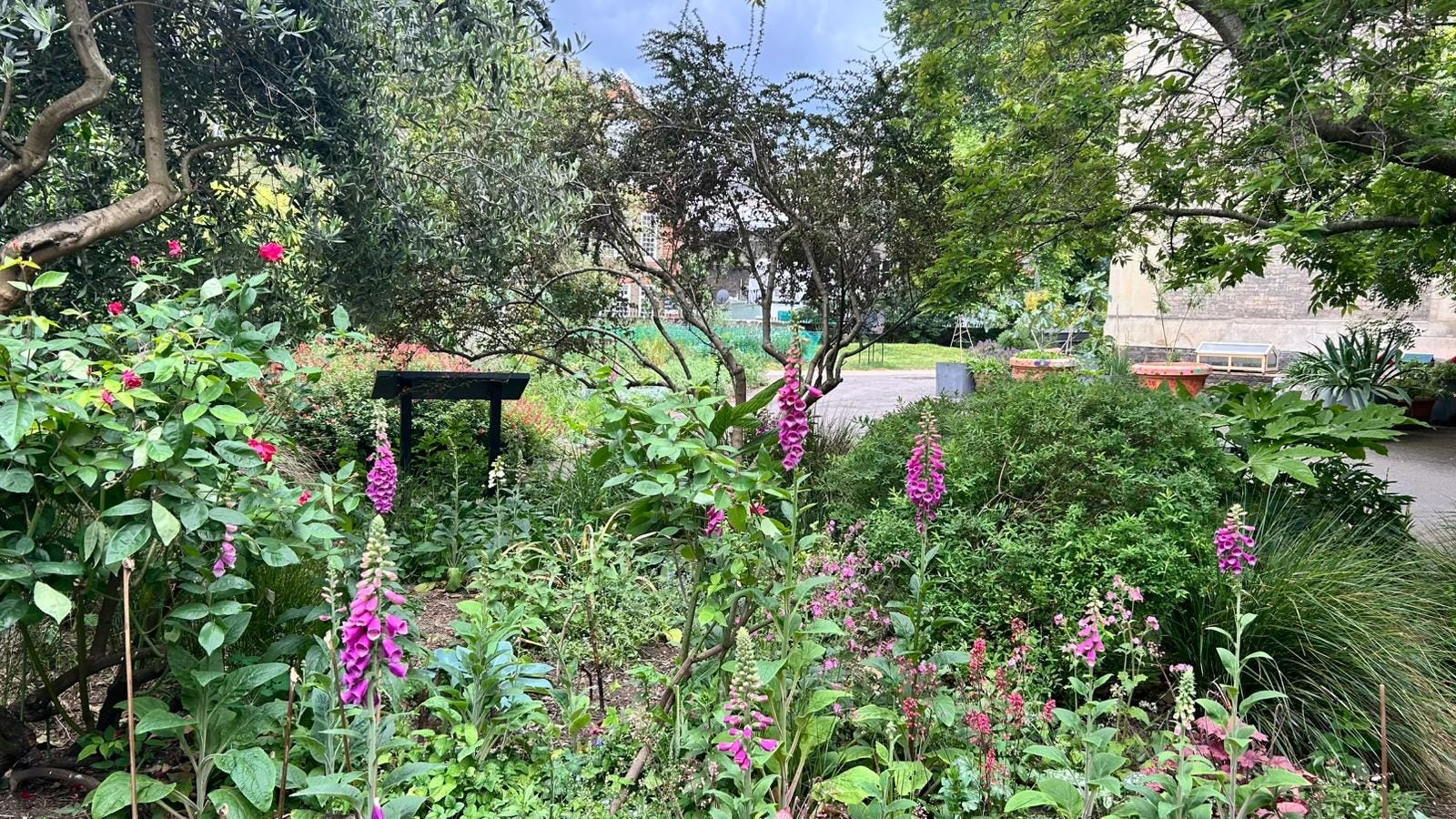
The garden itself is incredibly thoughtful. There are wildlife-friendly areas, species-rich hedges that help reduce pollution, drought-tolerant planting and nectar-rich flowers designed to support pollinators. Hidden amongst the greenery are shaded spaces beneath huge walnut trees, cork oaks grown from seed and a wildlife garden encouraging insects and birds back into the area.
What makes the space feel especially meaningful is how community-focused it is. The garden is maintained by volunteers alongside Community Gardener Santa Pedone, who works with local people and students with special educational needs to help them learn horticultural skills and spend time in nature.
It is not just a garden. It is a place where people gather, learn, volunteer and reconnect with both nature and each other.
During the annual Waterloo Festival, the space also becomes home to exhibitions, tea parties and community events, showing how urban green spaces can support culture
and connection as much as biodiversity.
We Need to Pay More Attention to What Exists Around Us
Visiting this garden made me realise how often we overlook local initiatives because we assume there is “nothing around here” or because we become disconnected from our surroundings through routine.
But community projects are everywhere if we start looking for them!
Small gardens. Volunteer groups. Local clean-up projects. Wildlife initiatives. Neighbourhood events.
These spaces survive because people care enough to show up.
And the truth is, many of them need more support, more awareness and more involvement from local people.
Sometimes getting involved in your community does not need to be something huge or life-changing. It can simply mean spending an hour helping in a garden, attending a local event or taking the time to learn what exists in your own neighbourhood.