


Autumn is one of the best times to give nature a helping hand. Inspired by a remarkable Buckinghamshire garden transformation, here are six simple ways to turn your outdoor space into a wildlife haven this October.
As October arrives, most of us start thinking about tidying up the garden. Leaves need raking, plants need cutting back and the lawn gets one final trim before winter.
But what if doing a little less could achieve a whole lot more?
A recent feature in Homes & Gardens tells the story of a garden in South Buckinghamshire transformed by designer Rachel Platt into a thriving haven for wildlife. With a natural swimming pond, wildflower meadow, edible hedgerows and carefully preserved mature planting, the garden now attracts dragonflies, bats, frogs, toads and newts.
It’s a wonderful example of how an ordinary outdoor space can become somewhere that both people and wildlife can enjoy.
And while most of us won’t be installing a natural swimming pond anytime soon, the principles behind this transformation are surprisingly simple.
At LettsSafari, we believe that smaller-scale rewilding starts at home. Whether you have a large garden, a tiny courtyard or a few pots on a balcony, October offers plenty of opportunities to help nature thrive.
Here are six things you can do this month.
1. Leave the leaves: nature’s winter blanket
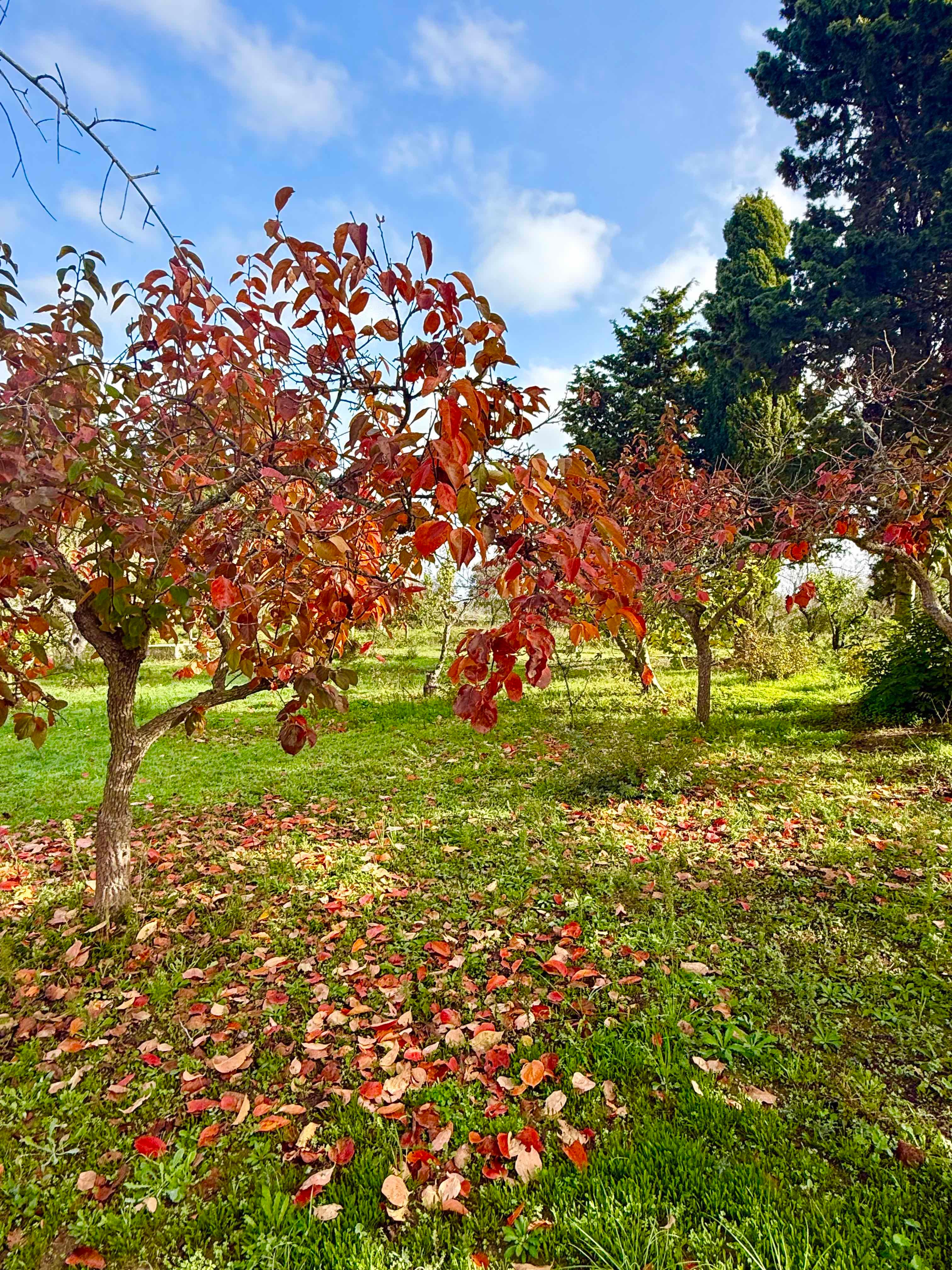
One of the easiest things you can do for wildlife this October is to resist the temptation to clear every fallen leaf. Leaves provide natural insulation and shelter for countless creatures, including beetles, spiders, earthworms and overwintering insects. As they break down, they also return nutrients to the soil.
What to do this October:
Rake leaves off paths and lawns where necessary, but move them beneath shrubs, hedges and trees.
Create a small leaf pile in a sheltered corner of the garden.
Leave some fallen leaves on flowerbeds as a natural mulch.
Avoid disturbing established piles throughout winter.
If you have a compost heap, add some of your leaves to create nutrient-rich compost for next year’s planting.
LettsSafari tip: Think of fallen leaves as free accommodation for garden wildlife. No booking required, and the guests are remarkably low maintenance.
2. Give your lawn a winter break
The Buckinghamshire garden features a wildflower meadow, demonstrating how allowing grass and wild plants to grow can create valuable wildlife habitat. October is a good time to decide which parts of your lawn really need regular mowing and which could become a little wilder.
Longer grass and standing vegetation offer shelter for insects and small mammals, while native wildflowers can provide food for pollinators during the growing season.
What to do this October:
Choose a sunny patch of lawn that could become a mini meadow next year.
Reduce soil fertility if appropriate by removing grass cuttings after mowing.
For a new meadow area, consider sowing a suitable native wildflower seed mix on properly prepared ground.
Avoid using fertilisers or weedkillers in areas you’re managing for wildlife.
Leave established meadow areas with some standing stems and undisturbed patches through winter.
Autumn can be an excellent time to establish a wildflower meadow, particularly on suitable, low-fertility soil.
However, simply throwing seeds onto an existing dense lawn rarely produces good results. Preparing the ground and choosing species appropriate to your soil are important first steps.
LettsSafari tip: Start with just one square metre. A small, well-managed wildflower patch is better than a large patch that never establishes successfully.
3. Plant a wildlife-friendly hedge
One of the most interesting features of the Buckinghamshire garden is its edible hedgerow, combining attractive planting with natural food sources and shelter. Hedgerows are particularly valuable in urban and suburban areas, where they create connections between otherwise isolated green spaces.
They provide nesting opportunities for birds, food for insects and mammals, and protected routes for wildlife moving between gardens. October is a good month to plan a new hedge and prepare the ground for planting during the dormant season.
What to do this October:
Identify a suitable boundary where you could replace fencing or ornamental shrubs with native hedging.
Consider wildlife-friendly species such as hawthorn, hazel, dog rose, field maple and blackthorn where space allows.
Clear competing weeds and prepare the soil.
Order bare-root hedging plants for delivery and planting from November onwards, when conditions are suitable.
Leave enough space for the hedge to grow naturally without obstructing paths or neighbouring properties.
Where appropriate, you can also create a small gap beneath a garden fence to help hedgehogs travel safely between neighbouring gardens.
A 13 cm × 13 cm opening is generally sufficient for a hedgehog.
LettsSafari tip: Speak to your neighbours about connecting gardens. One wildlife-friendly garden is useful, but several connected gardens can become a valuable local wildlife corridor.
4. Create a mini pond before winter
The natural swimming pond is the centrepiece of the Buckinghamshire transformation, providing habitat for amphibians, aquatic insects and other wildlife. Fortunately, you don’t need anything nearly that ambitious to make a difference.
Even a small wildlife pond can support biodiversity by providing water, shelter and breeding opportunities for suitable species.
October can be a good time to install a new pond, provided the ground isn’t frozen or waterlogged, although it may take time for the habitat to establish.
What to do this October:
Choose a position with a mix of sunlight and partial shade.
Use a pond liner or suitable watertight container.
Incorporate gently sloping edges or secure escape routes.
Add appropriate native aquatic plants.
Allow the pond to fill with rainwater wherever possible.
Let wildlife discover the pond naturally.
Avoid introducing fish, as they can prey on amphibian eggs and aquatic invertebrates. If you already have an established pond, October is a useful time to remove excessive fallen leaves and check that plants aren’t completely covering the water. However, avoid major pond clearance during autumn and winter, when amphibians and other wildlife may already be sheltering in or around the pond.
Always put safety first, especially where children or pets have access to the garden.
LettsSafari tip: No room for a pond? A shallow bird bath or water dish with stones for insects to land on is a simpler alternative. Keep it clean and topped up with fresh water.
5. Resist the big autumn cutback
October is traditionally the month when gardeners begin cutting everything back. But those dry stems, fading flowers and seed heads can provide valuable winter habitat. Hollow stems offer shelter for insects, while seed heads provide food for birds such as goldfinches. Dense vegetation can also protect small creatures from cold weather and predators.
The Buckinghamshire garden demonstrates the value of allowing planting to mature naturally rather than continually keeping it under control.
What to do this October:
Leave seed heads on plants such as teasels, sunflowers and suitable native perennials.
Keep hollow stems standing where they don’t present a safety problem.
Avoid cutting back every border at once.
Leave a few undisturbed patches of vegetation through winter.
Remove diseased plant material where necessary, and manage invasive species responsibly.
There’s no need to abandon garden maintenance altogether. Simply concentrate on keeping paths and seating areas accessible while allowing wildlife-friendly sections to remain relatively undisturbed.
LettsSafari tip: A winter garden doesn’t have to look messy. Leave architectural seed heads and grasses standing while keeping edges and paths maintained. Wildlife-friendly gardening and attractive design can coexist.
6. Build a winter wildlife refuge
As temperatures begin to fall, many animals are looking for safe places to spend the colder months. Hedgehogs may begin preparing for hibernation, while insects search for protected spaces beneath logs, leaves and vegetation. October is an ideal opportunity to create additional shelter.
What to do this October:
Stack untreated logs and branches in a quiet, shaded corner.
Allow leaves to collect around the base of hedges.
Create a brushwood pile using garden prunings.
Provide a suitable hedgehog house in a sheltered location if you have space.
Leave areas undisturbed once wildlife begins using them.
When building a log pile, use fallen or responsibly sourced timber rather than removing healthy trees or damaging existing habitats.
If you discover a hedgehog nesting in your garden, avoid disturbing it. Hedgehogs that appear injured, seriously underweight or active in unusual circumstances may need specialist advice from a wildlife rescue organisation.
LettsSafari tip: Create a small ‘wild corner’ using logs, leaves and branches. It costs almost nothing and can provide valuable shelter throughout winter.
How LettsSafari helps you make a bigger difference
The Buckinghamshire garden is a beautiful example of what happens when we give nature more room.
But restoring biodiversity isn’t just about creating individual wildlife gardens. It’s also about connecting habitats and supporting restoration beyond our own boundaries. That’s where LettsSafari comes in. LettsSafari helps people contribute to small-scale rewilding through a UK subscription programme supporting nature restoration projects in Devon.
Alongside practical advice for bringing wildlife back into gardens, balconies and neighbourhoods, subscriptions support broader ambitions for habitat creation and wildlife recovery.
Our collective impact model aims to deliver:
One tree planted each year for every 10 subscribers.
Support for one wild animal for every 100 subscribers.
One new rewilding park each year for every 10,000 subscribers.
This October, give nature a little more space
As we head towards winter, it’s easy to think that the gardening season is coming to an end. For wildlife, however, October is a critical month.
The Buckinghamshire garden shows what is possible when nature becomes part of the plan.
This October, try doing one less gardening job and one more thing for wildlife.
Your garden’s smallest residents might thank you for it.