


Whether you have a large garden, a small patio or just a sunny balcony, you can help reverse the decline of bees, butterflies and other pollinators. A recent article from Ideal Home highlights a simple idea gaining popularity across the UK: creating a pollinator pit stop. It’s an easy, inexpensive way to provide food, water and shelter for wildlife using nothing more than a planter, a few carefully chosen plants and a shallow dish of water.
The beauty of the idea is that it proves one of the core principles behind LettsSafari: small actions, multiplied by thousands of people, create big environmental change.
What is a Pollinator Pit Stop?
Think of it as a service station for wildlife.
A pollinator pit stop provides bees, butterflies and other beneficial insects with three essentials:
Nectar-rich flowers for food
Fresh water with safe landing places
A welcoming place to rest before continuing their journey
Experts recommend using a simple planter filled with plants such as lavender, thyme and ivy, alongside a shallow dish of water containing pebbles so insects can drink safely without drowning.
Even the smallest outdoor spaces can become valuable stepping stones connecting wildlife habitats across towns and cities.
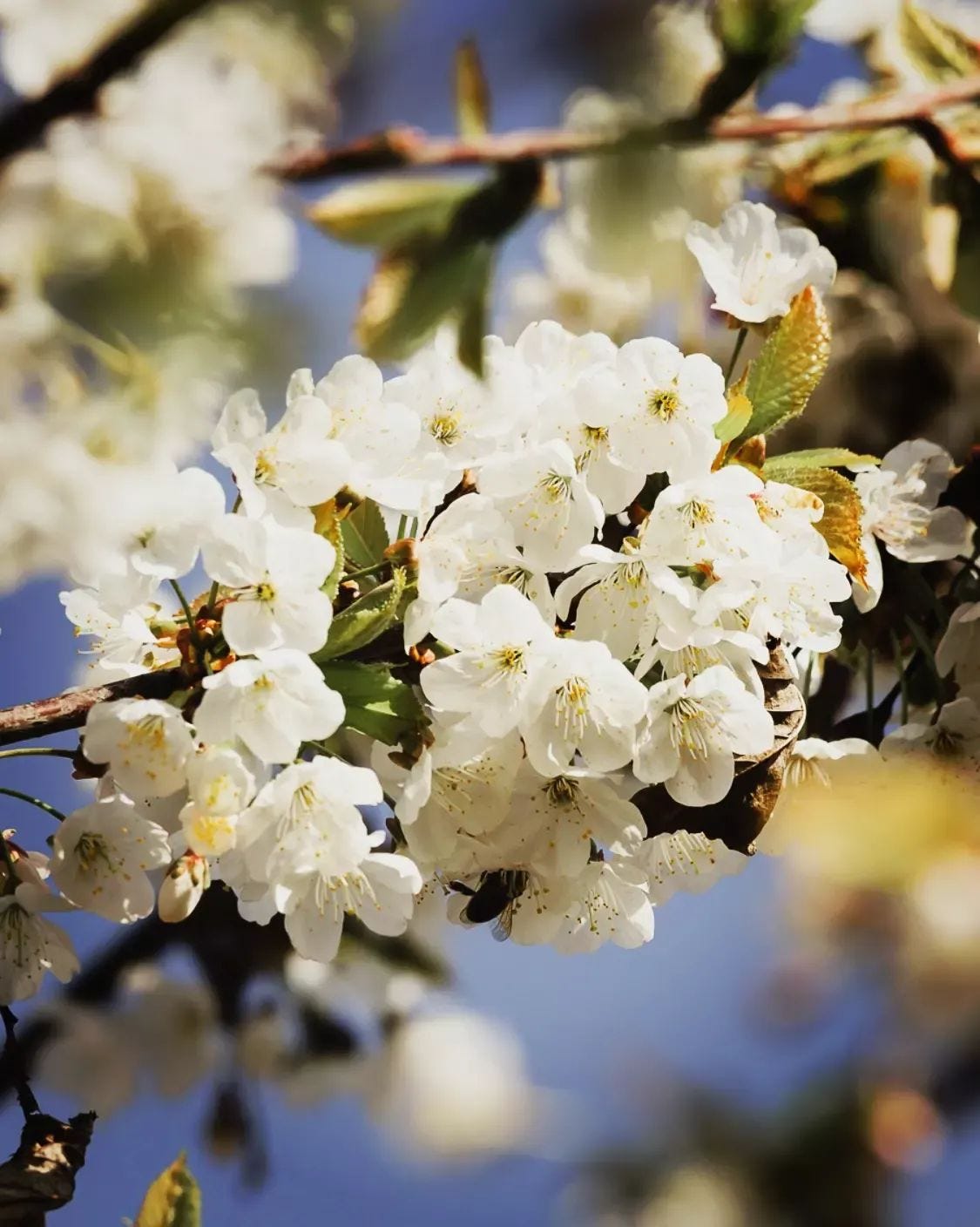
Why Small Spaces Matter
Many people assume that helping nature requires acres of countryside.
The reality is almost the opposite.
Modern towns are full of tiny gardens, balconies, courtyards and window boxes. Individually they seem insignificant. Together they form an enormous network of potential habitats.
Every flowering pot:
feeds hungry pollinators
supports local biodiversity
improves urban ecosystems
makes neighbourhoods greener and healthier
When thousands of people each make one small improvement, the cumulative impact is remarkable.
That’s exactly the philosophy behind LettsSafari.
How to Build Your Own Pollinator Pit Stop
The good news is that you can create one in less than an hour.
Step 1: Choose a Sunny Spot
Most nectar-rich flowers thrive with several hours of sunlight each day. A balcony, doorstep, patio or front garden all work well.
Step 2: Select Pollinator-Friendly Plants
Choose plants that provide nectar throughout the year. Good options include:
Lavender
Thyme
Ivy
Crocus
Pulmonaria
Sedum
Asters
Aim for plants that flower across different seasons so pollinators always have something available.
Step 3: Add Water
Fill a shallow dish with fresh water. Add pebbles or small stones to create safe landing places for insects. Refresh the water regularly, particularly during hot weather.
Step 4: Avoid Chemicals
Skip pesticides and weedkillers wherever possible. Healthy pollinator habitats depend on healthy insects.
Step 5: Let Nature Do the Rest
Within days you may begin seeing:
Bumblebees
Honey bees
Hoverflies
Butterflies
Ladybirds
Your tiny wildlife oasis quickly becomes part of a much larger ecological network.
Take Your Rewilding One Step Further
Creating a pollinator pit stop is an excellent first step but imagine if every week you made one more small improvement.
That’s exactly what LettsSafari helps you do.
Our members receive practical ideas for creating more wildlife-friendly spaces at home, regardless of the size of their garden. Simple projects might include:
planting for pollinators
creating bird-friendly habitats
providing food and shelter for hedgehogs
encouraging beneficial insects
improving biodiversity throughout the seasons
No complicated gardening knowledge required. Just small, achievable actions that make a genuine difference.
Small Actions Create Big Impact
One pollinator pit stop won’t solve biodiversity loss, neither will one wildflower patch. But millions of small wildlife-friendly spaces, created by ordinary people, can transform our towns and cities into thriving ecosystems. That’s why LettsSafari exists.
Together, we can make rewilding something everyone can take part in—one garden, one balcony and one pollinator pit stop at a time.