


Imagine transforming your garden into a miniature ancient woodland, a place where butterflies dance along sunny edges, birds flit between layered branches, and biodiversity thrives in every corner. It sounds ambitious, but the secret lies not in size, but in something far more elegant: transitional gardening.

The Power of the In-Between
Nature’s richest real estate isn’t always found in the heart of forests or the centre of meadows, it’s in the edges, the transitions, the glorious in-between’s. These zones, called ecotones by ecologists, are where magic happens. Woodland edges support some of the highest levels of biodiversity because they represent transition zones between different environments. Here’s the remarkable part: ecotones between two habitats are often richer in species than either habitat alone.
Think of a woodland edge in nature, where the forest gives way to a meadow. You’ll find sun-loving wildflowers beneath the outer branches, butterflies basking in dappled light, hedgehogs foraging in the leaf litter, and birds nesting in the dense shrub layer. It’s a biodiversity hotspot, and you can recreate this dynamic in your own garden.
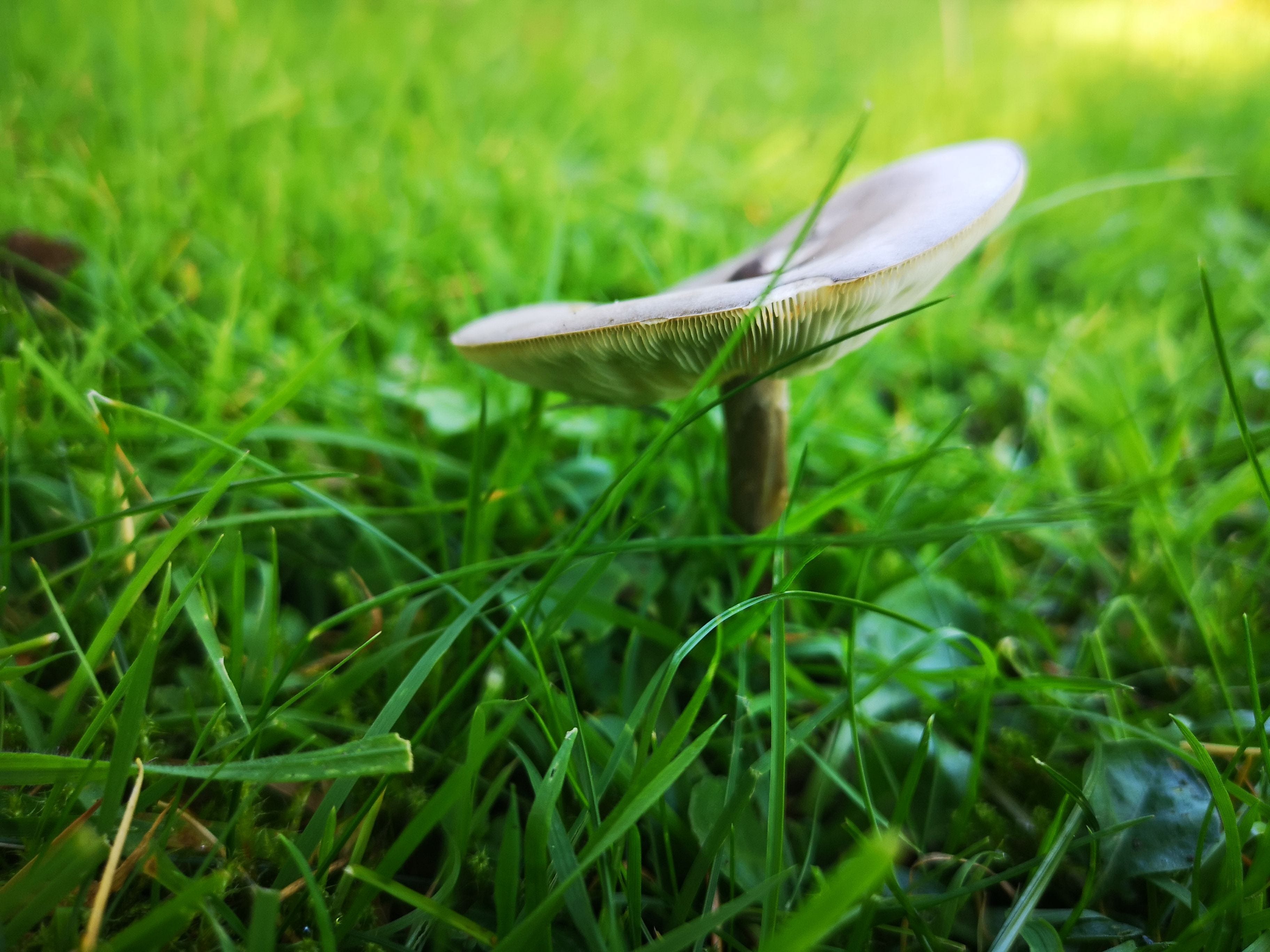
Applying Ecotone Theory at Home
The beauty of this concept is that domestic gardens are already filled with potential ecotones. Instead of stark transitions, a lawn abruptly meets a fence, borders ending at paving, imagine softer gradations. Let your lawn gradually fade into longer grasses and wildflowers. Allow borders to blend into shrubs, which then reach toward trees. If you have a pond, let its edges blur with marginal plants and moisture-loving vegetation.
These gentle transitions create multiple microhabitats within a single garden. Early-emerging bumblebees find spring flowers in sunny spots, while shade-loving ferns thrive beneath tree canopies. Insects, birds, and small mammals find everything they need, including food, shelter, and breeding sites, within these layered landscapes.

Choosing the Right Trees: Quality Over Quantity
When selecting trees for your woodland garden, provenance matters enormously. Britain’s Royal Horticultural Society now encourages gardeners to choose trees grown under the UKISG (UK and Ireland Sourced and Grown) scheme. This certification ensures trees are raised from seed collected domestically, helping prevent new pests and diseases from entering the country, which is one of the most significant threats facing native trees today.
The Tredge Revolution
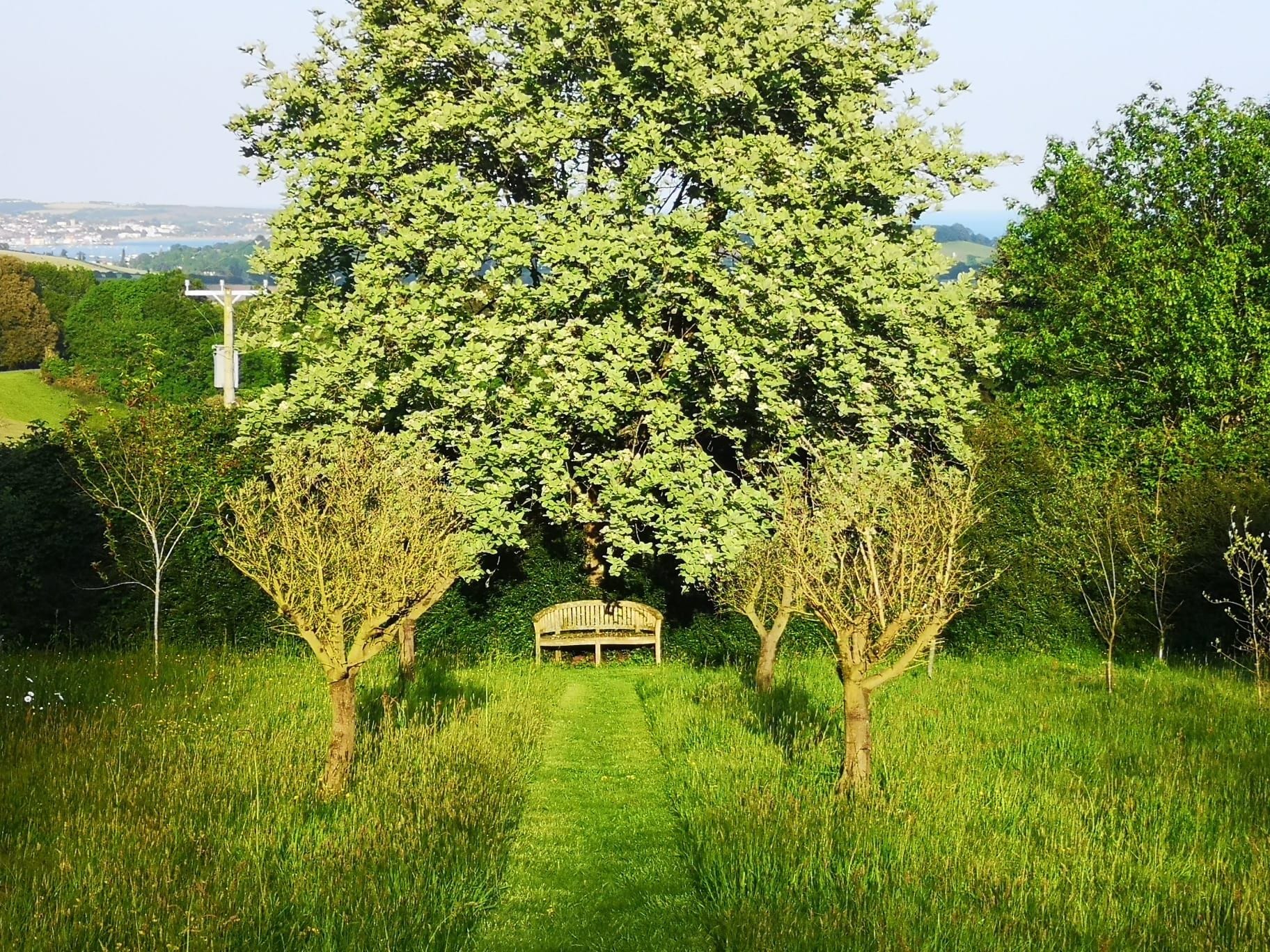
For smaller gardens, forget traditional fences or walls. Instead, consider planting a native hedge - or better yet, a “tredge” (a hedge allowed to grow into trees). This clever approach allows you to include native tree species without needing acres of space, while providing invaluable food and habitat for wildlife. In neighbourhoods with limited tree canopy cover, tredges democratise access to trees, bringing woodland biodiversity to urban streets.
Indeed, it’s the tredge revolution that has been applied so meticulously to numerous LettsSafari inspired gardens, including its showcase Capability Brown gardens on the edge of Exeter City.

Five Tredge Champions for UK Gardens
Beech (Fagus sylvatica) creates dense, wildlife-rich hedges that retain their copper-coloured leaves through winter, providing year-round shelter. Moths, including several specialist species, feed on its foliage, while beech mast feeds wood mice, dormice, and birds during lean winter months.
Holly (Ilex aquifolium) is an evergreen powerhouse. Its dense, prickly structure offers secure nesting sites for blackbirds and thrushes, while its glossy berries provide crucial winter food when other sources have vanished. Holly blue butterflies lay their eggs exclusively on holly in spring, making this tree essential for their survival.

Western Red Cedar (Thuja plicata) offers dense, aromatic foliage that provides excellent shelter and nesting habitat. While not native, it’s well-naturalised and supports invertebrates that in turn feed birds. Its evergreen nature means year-round cover for roosting birds and overwintering insects.
