


As January settles in and the chill of winter wraps around your rewilded garden, naturally you will start reflecting on the beauty of this dormant season. While trees, shrubs, and most plants lie asleep, now is the perfect time to undertake a careful tidy-up that respects the natural rhythms of the garden. This month is about trimming trees, shaping hedges, and preparing your space for the wildlife that will soon return with the warmth of spring.
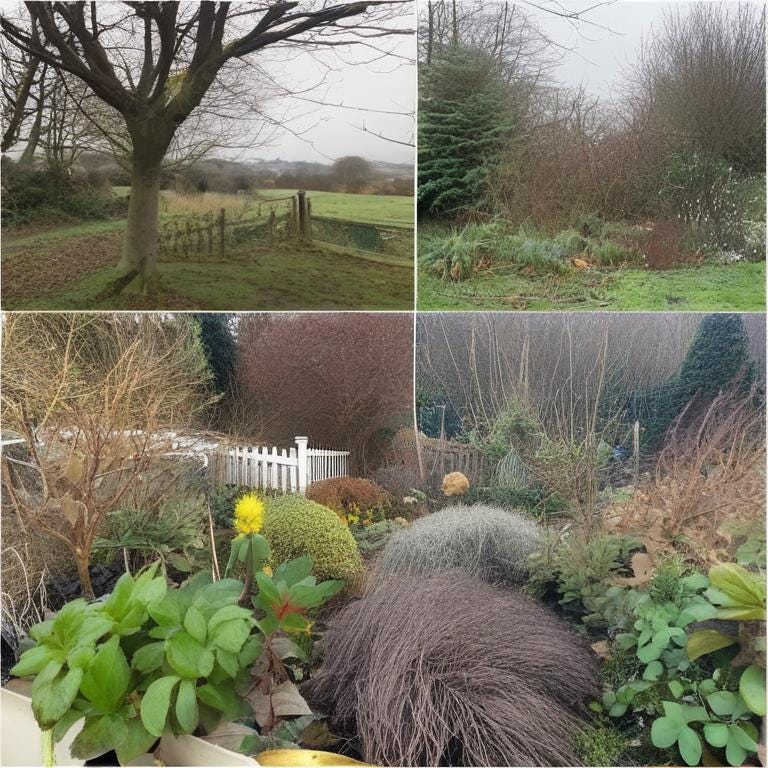
One of the first tasks on the list should be to trim back any overgrown branches on trees. In a rewilded garden, it’s crucial to preserve the health of the tree structures, allowing sunlight to filter through and encouraging the growth of understorey plants. By making careful cuts, you can maintain the natural shape of the trees while ensuring they remain strong and resilient for the seasons ahead.
“Timing is Everything: How Pruning Trees During Dormant Season Promotes Healthy Growth”
Pruning trees is an essential part of their maintenance, as it helps promote healthy growth, remove dead or damaged branches, and improve the overall appearance of the tree. However, pruning can also be stressful for the tree if not done correctly.
Follow these 3 important tips focusing on timing, tools, and the 1/3 rule:
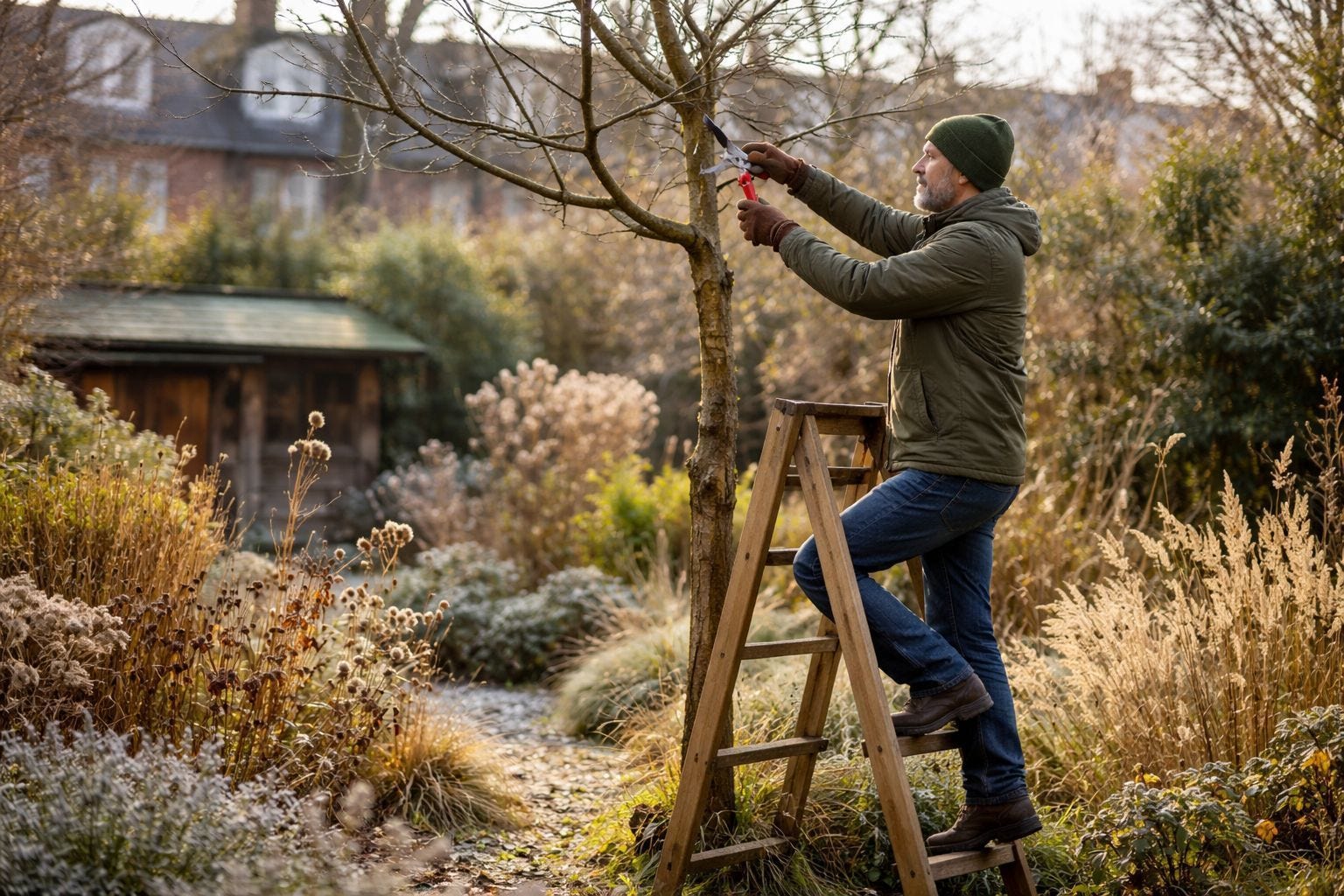
Timing is Key: The best time to prune most trees is during their dormant season, which typically lasts from late winter to early spring. Pruning during this time minimises stress on the tree and promotes healthy growth in the upcoming seasons. This is because the tree is not actively growing during its dormant season, so it can focus its energy on healing any wounds caused by pruning. Additionally, pruning during the dormant season reduces the risk of disease, as the tree is less susceptible to infection during this time.
Use the Right Tools: To ensure clean cuts and prevent damage to the tree, it is crucial to use sharp and clean pruning shears or saws. Dull tools can cause tearing and splitting of the tree’s tissue, leading to wounds that are more susceptible to disease. In addition, using the right tools helps reduce the risk of disease transmission between trees and other plants in the surrounding area. Always disinfect your pruning tools after use to prevent the spread of diseases.
Follow the 1/3 Rule: When pruning, it is important to avoid removing more than one-third of a tree’s foliage at once. This rule helps maintain the tree’s health and ensures it can continue to photosynthesise effectively. Removing too much foliage can cause the tree to become stressed, leading to reduced growth and poor overall health. By following this rule, you can ensure your tree remains healthy and thrives in the long term. Try and avoid branches growing into each other.
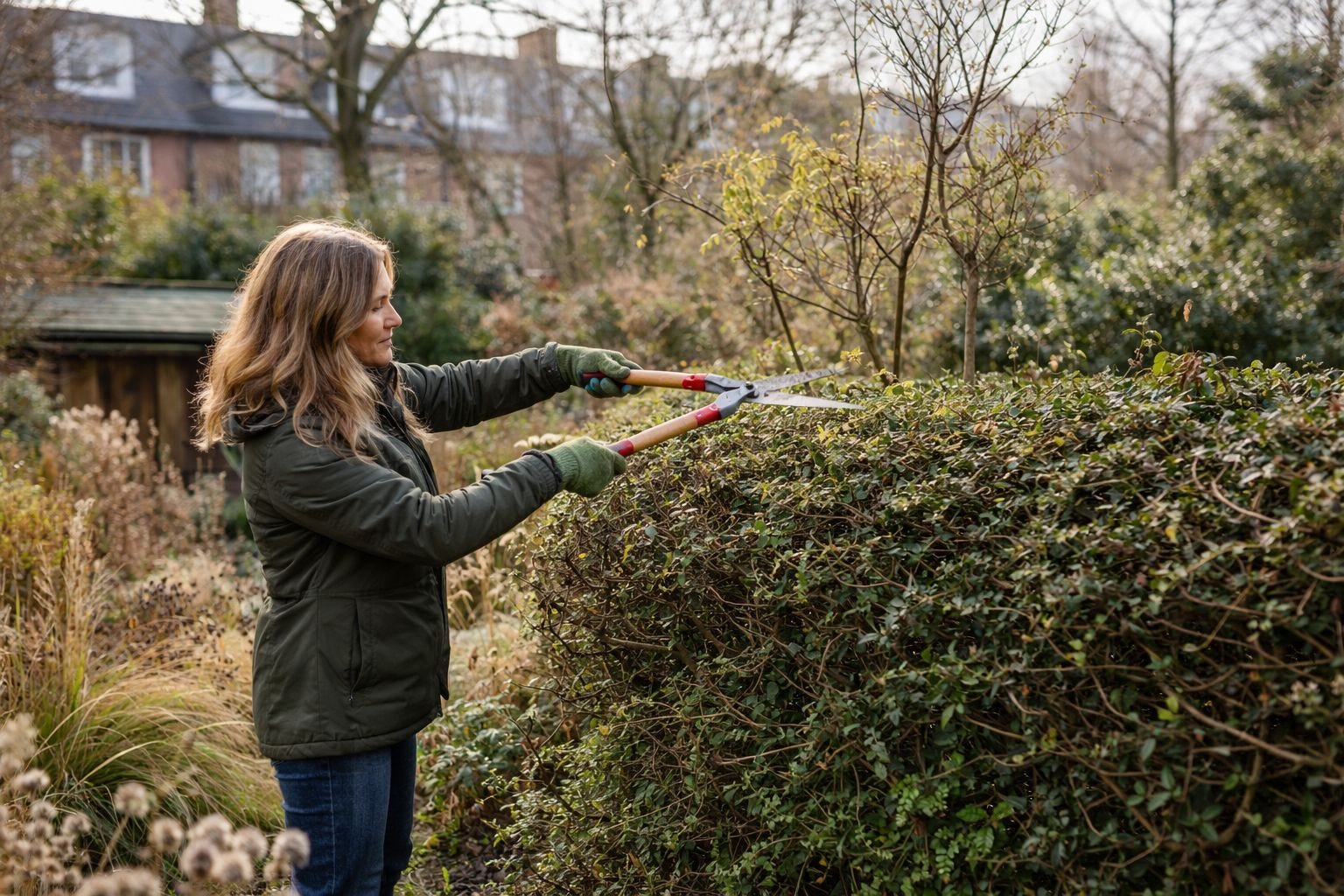
Shaping hedges is another crucial task. At LettsSafari we prefer to maintain a more natural look rather than a perfectly manicured hedge. This approach not only enhances the aesthetic but also provides shelter and nesting sites for birds and small mammals. When trimming, make sure to leave some branches a little longer, creating a haven for wildlife to thrive. Wavy hedges can look amazing and provide a more layered support for wildlife.
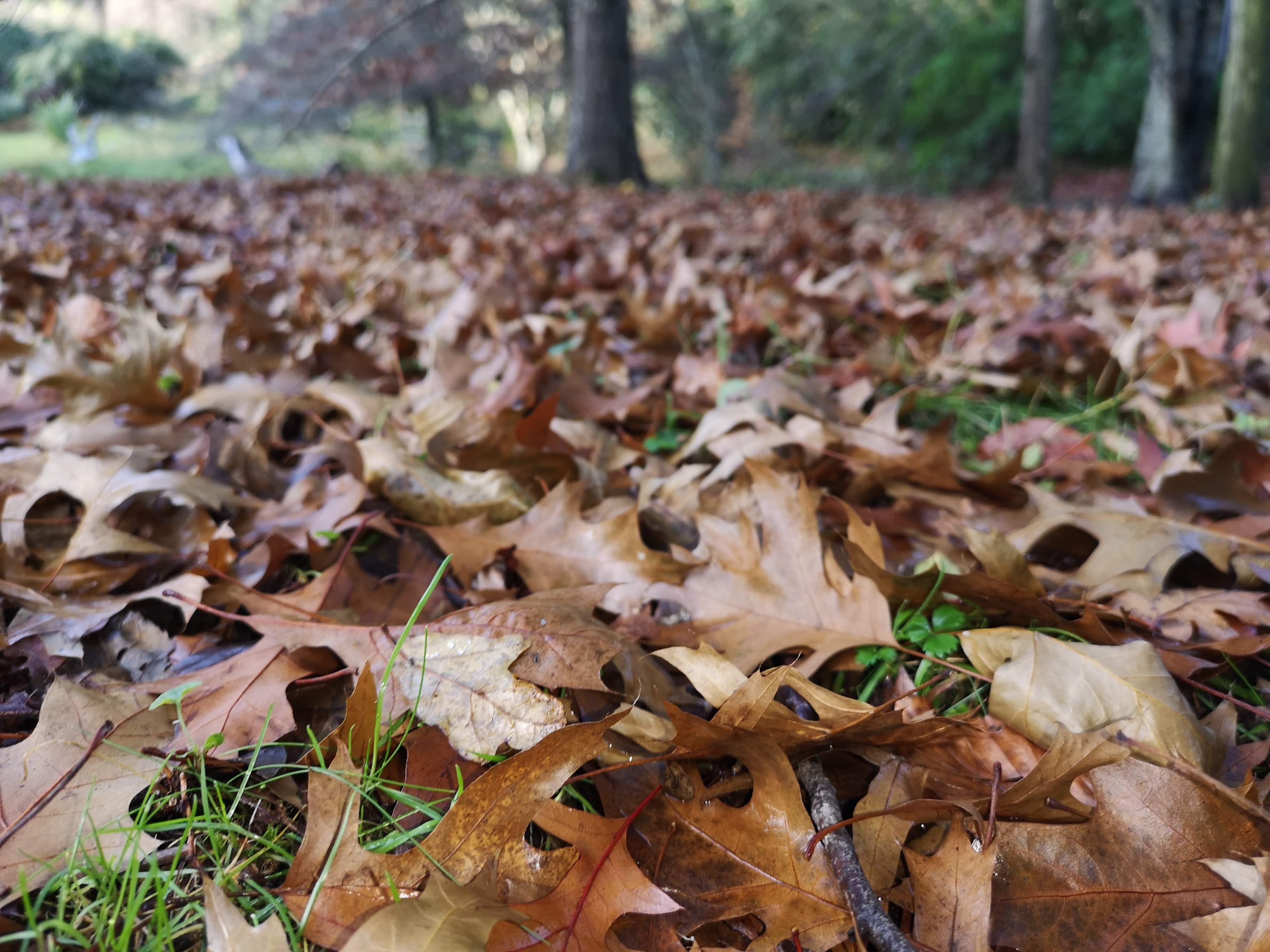
As you work through the garden, be mindful of the fallen leaves scattered across the beds. These leaves are a vital resource, providing habitat for beneficial insects and enriching the soil as they decompose. You should only clear the leaves from the grass areas, where they could smother the blades and cause damage. Instead, keep them in the garden beds, where they will serve as a natural mulch, retaining moisture and providing nutrients as they break down.
January is also an ideal time to add infrastructure that supports wildlife. You could create a rock corner, a small yet impactful feature that will attract a variety of creatures, from insects to small mammals. The rocks will provide warmth during the colder months and shelter from predators. Additionally, consider starting to build a log pile with loose branches and leaves on top, which not only creates a habitat for insects but also serves as a great resource for birds seeking nesting materials come spring.
Another project on your agenda is digging in a small pond. Water features attract a plethora of wildlife, including frogs, dragonflies, and birds. Not only does a pond provide a drinking source, but it also encourages biodiversity by creating a unique habitat. Envision a tranquil spot where you can sit and enjoy the sights and sounds of nature coming alive.
It’s the start of the year so use a journal or diary to plan and record your activity, take notes and add photographs and videos of your progress and observations from other rewilding projects or platforms like LettsSafari. We recommend Jot, which is a digital diary and planner we all use, that brings together all the tools and structure necessary to plan, record, analyse and support your smaller-scale rewilding projects and progress. You can sign up for free at getjot.ai.

Beyond these activities, there are several other winter gardening practices that align with the ethos of rewilding. For example, take time to assess the overall health of your garden or other green space. Observing how different plants interact and thrive can help make more informed decisions for the upcoming growing season. Also check on any wildlife that may have taken refuge in your garden, ensuring their habitats remain undisturbed.
Creating spaces for wildlife is not just about aesthetics; it’s about fostering a thriving ecosystem. We’ve learned that even in winter, there is much to observe and appreciate. The bare branches of trees reveal nests that once held baby birds, and the quiet corners of most gardens and green spaces provide a glimpse into the hidden lives of insects. This season serves as a reminder that gardening is not just about cultivating plants but also about nurturing the delicate web of life that exists all around us.
As you conclude your January tidy-up, you will feel a sense of accomplishment and anticipation. Each task completed contributes to the ongoing restoration of your green space, making it a sanctuary for wildlife and a haven for nature enthusiasts. By embracing the winter months and approaching gardening with a spirit of rewilding, You could be creating a vibrant, biodiverse space that will flourish for years to come.
Get more LettsSafari updates and wildlife photos from our twitter. And read the latest posts at the LettsSafari + website.