


Rewilding often gets framed as something vast and rural. Big landscapes. Big funding. Big, muddy boots.
But here’s what we’ve learned running rewilding projects at LettsSafari: nature doesn’t actually need very much to get started.
Sometimes it just needs a pot. A ledge. A corner that’s allowed to grow a little wild. The power of smaller scale rewilding.
Rewilding works because nature is opportunistic
In Devon, we see it all the time. Give land a bit of breathing space and nature rushes in - grasses first, then flowers, then insects, then birds. Not because we forced it, but because ecosystems want to recover.
What surprised us most was how well these same principles translate to cities.
A balcony in London isn’t a meadow but it can still be habitat.
Pollinators don’t care if nectar comes from a field or a planter. Soil life doesn’t mind if it lives in a reclaimed container. And birds are remarkably good at stitching together green stepping stones across urban landscapes.
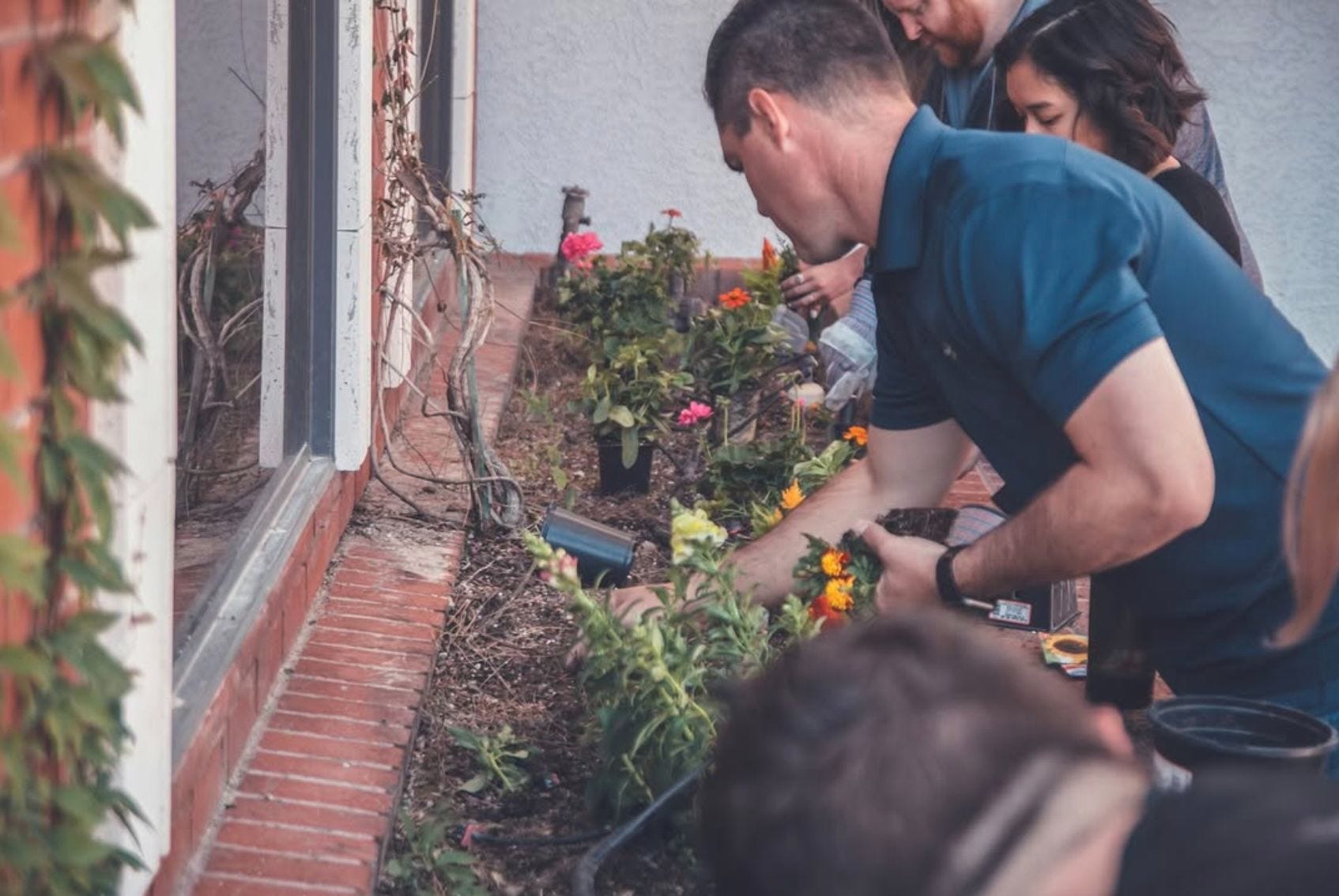
Why small urban spaces matter more than we think
Cities often feel disconnected from nature, but they’re actually full of hidden potential. Thousands of balconies. Courtyards. Window boxes. Office terraces. Shared gardens.
Individually, they seem insignificant. Collectively, they form something powerful: a network.
That network matters because:
Pollinators rely on frequent food sources
Urban green spaces help cool cities in summer
Even tiny patches support biodiversity when repeated at scale
Rewilding doesn’t fail because spaces are too small. It fails when we assume small means pointless.
You don’t need to do everything
This is where many people get stuck. Climate change feels overwhelming, so we wait for “proper” solutions. Government policy. Massive infrastructure. Someone else.
But rewilding works precisely because it doesn’t wait for perfect conditions.
A few native plants.
Letting something flower instead of tidying it away.
Choosing life over neatness.
These aren’t symbolic gestures. They’re practical ones.
From Devon to your doorstep
Our projects may be based in Devon, but the lessons travel well. What we learn restoring land here feeds directly into the rewilding tips we share with subscribers living in cities.
You don’t need to move to the countryside to support nature. You just need to give it somewhere to begin.
Because small actions actually matter.
And they add up faster than you think.