


Something remarkable is happening in gardens, balconies, and forgotten corners across the UK and beyond. From a single pot on a London balcony to a patch of lawn in suburban Manchester, people are discovering they don’t need vast estates to rewild. They just need to start.
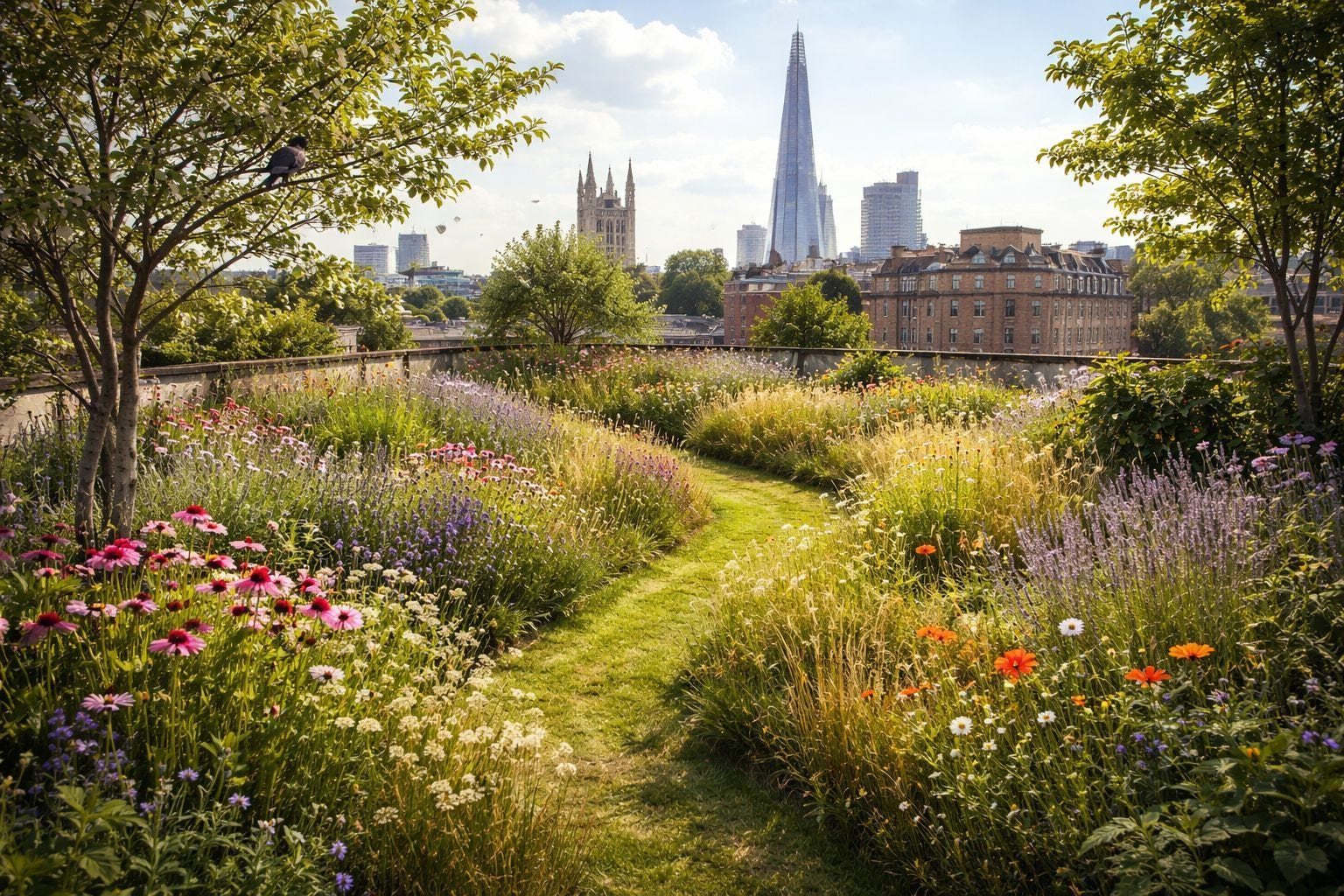
As we step into 2026, smaller-scale rewilding is evolving from a niche movement into a mainstream revolution. And here’s the exciting part: it’s becoming easier, more inclusive, and far more immersive than ever before.
The Shift From “Too Big” to “Just Right”
For years, rewilding felt like something reserved for national parks or wealthy landowners with hundreds of acres. But 2025 changed the conversation. Across New Zealand, community gardens helped native bird populations surge by 32% through collective action. In Vancouver, city parks are being intentionally converted into wilder ecosystems. The message is clear: size doesn’t matter. Intention does.
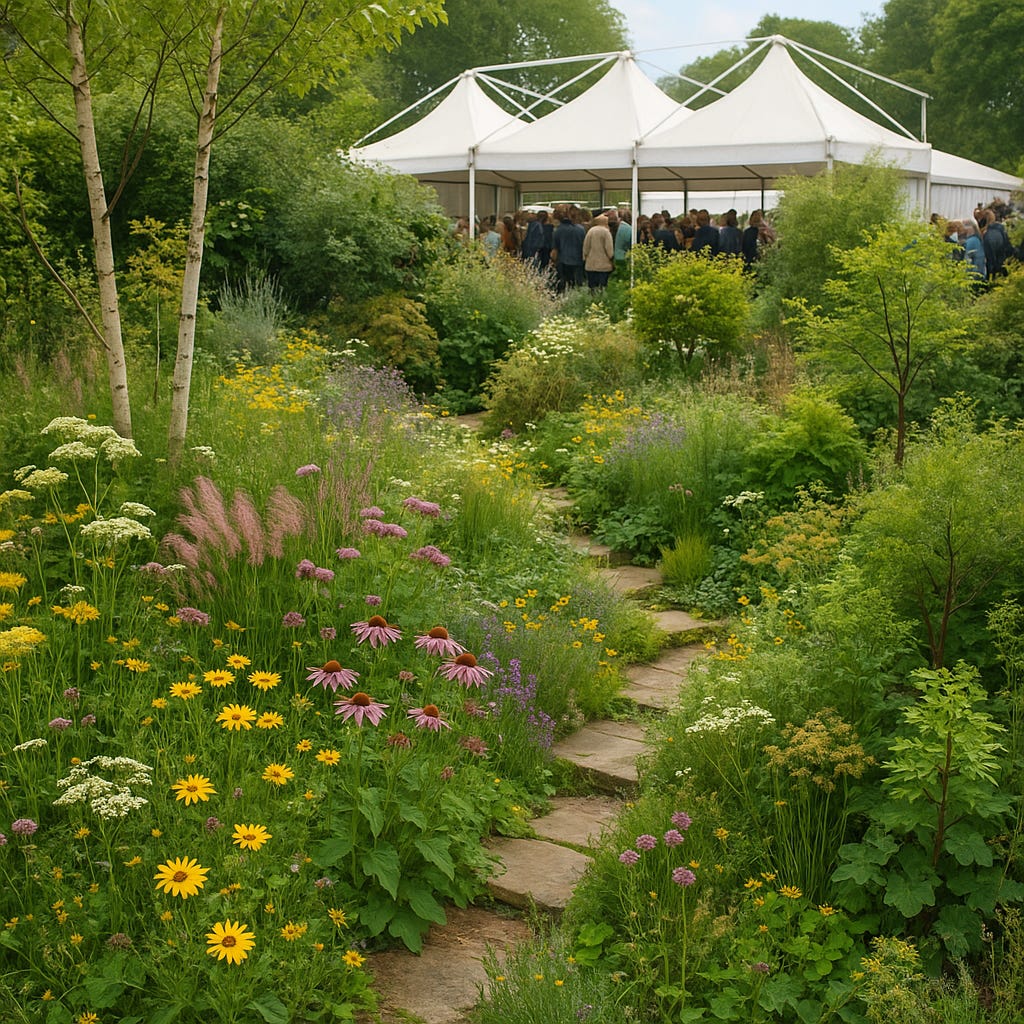
Britain’s RHS is encouraging gardeners to choose trees grown under the UKISG (UK and Ireland sourced and grown) scheme, which ensures they are raised from seed and helps prevent new pests and diseases from entering the country, one of the most significant threats to native trees. They are also encouraging owners of small gardens to use hedges instead of fences to enclose their space - which could considerably enhance biodiversity and wildlife.
The Pennsylvania Horticultural Society has named rewilding as a top gardening trend for 2026, and it’s catching fire because people are realising that even the smallest wild patch makes a measurable difference. Your balcony pot, your roadside verge, your tiny back garden - they’re all vital pieces of the ecological jigsaw.
Making Rewilding More Inclusive
The beauty of smaller-scale rewilding is that it’s truly for everyone. You don’t need a degree in ecology or a gardener’s budget. You just need curiosity and a willingness to let nature do what it does best.
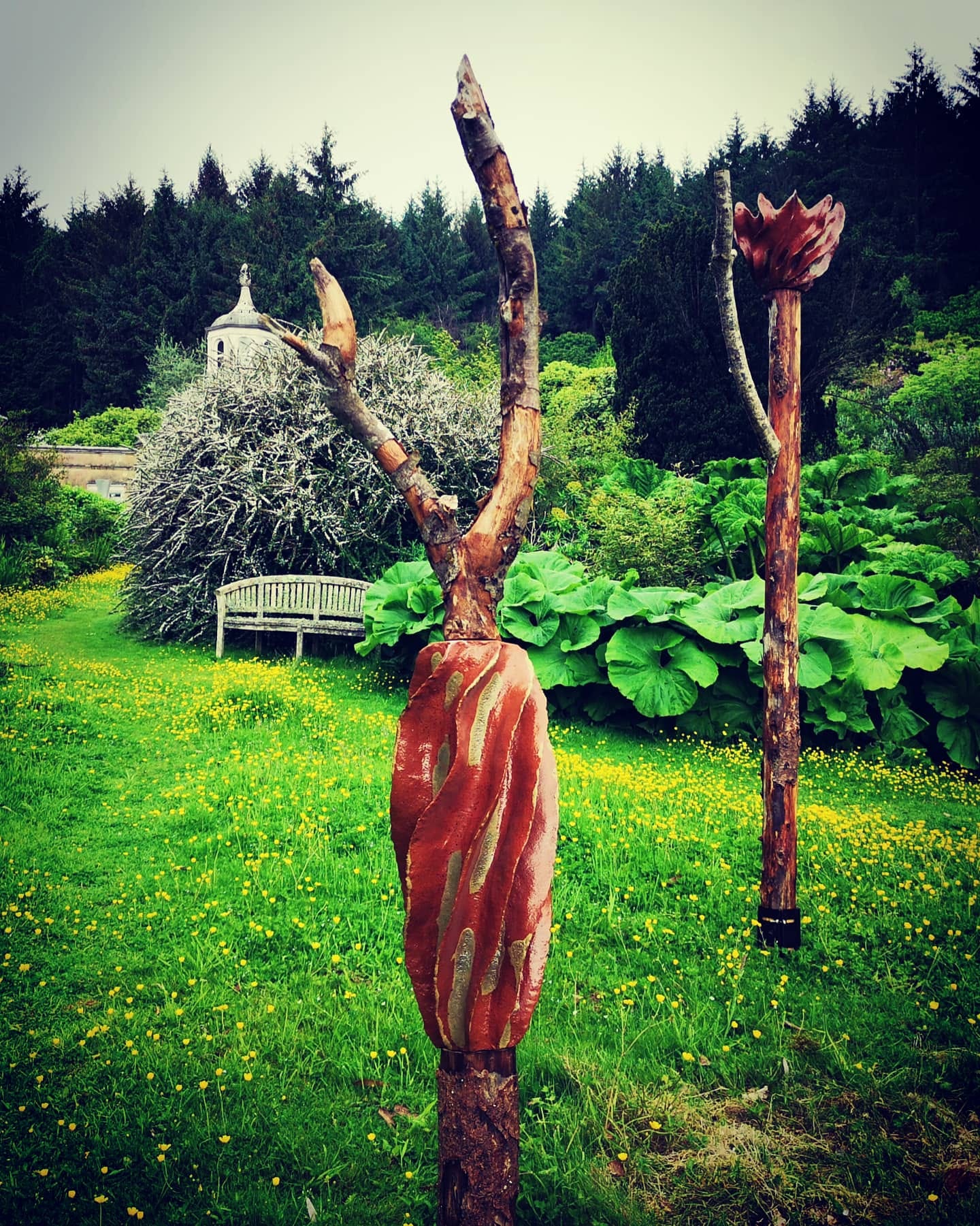
In 2026, we’re seeing initiatives that break down barriers. Community pollinator corridors are bringing neighbours together, transforming streets into wildlife highways one garden at a time. Urban projects are showing that renters can create vertical rewilding gardens on apartment walls. Even schools are getting involved, turning forgotten corners into mini nature reserves where children can watch ecosystems develop in real-time.
The European Young Rewilders network has grown to over 1,000 members across 31 countries, proving that younger generations are ready to lead this charge. And they’re not just learning theory, they’re getting their hands dirty, creating tangible habitats, and documenting the results.
Easier Than Ever to Start
Here’s where 2026 gets really exciting. Starting your rewilding project has never been simpler. Recent trends show that gardeners are embracing “intentional rewilding”, letting certain areas grow naturally while managing invasive species and supporting native plants. It’s controlled wildness, and it works brilliantly.
Quick-start tips to enhance your rewilding efforts:
Begin with one wild corner. Choose the least-used part of your space and simply stop mowing. Let native wildflowers, grasses, and scrub emerge naturally. Even a square metre makes a difference.
Add layers, not just plants. Think vertically: ground cover, shrubs, climbers, and if space allows, a small tree. This layering creates shelter for insects, birds, and small mammals—the foundation of a thriving ecosystem.
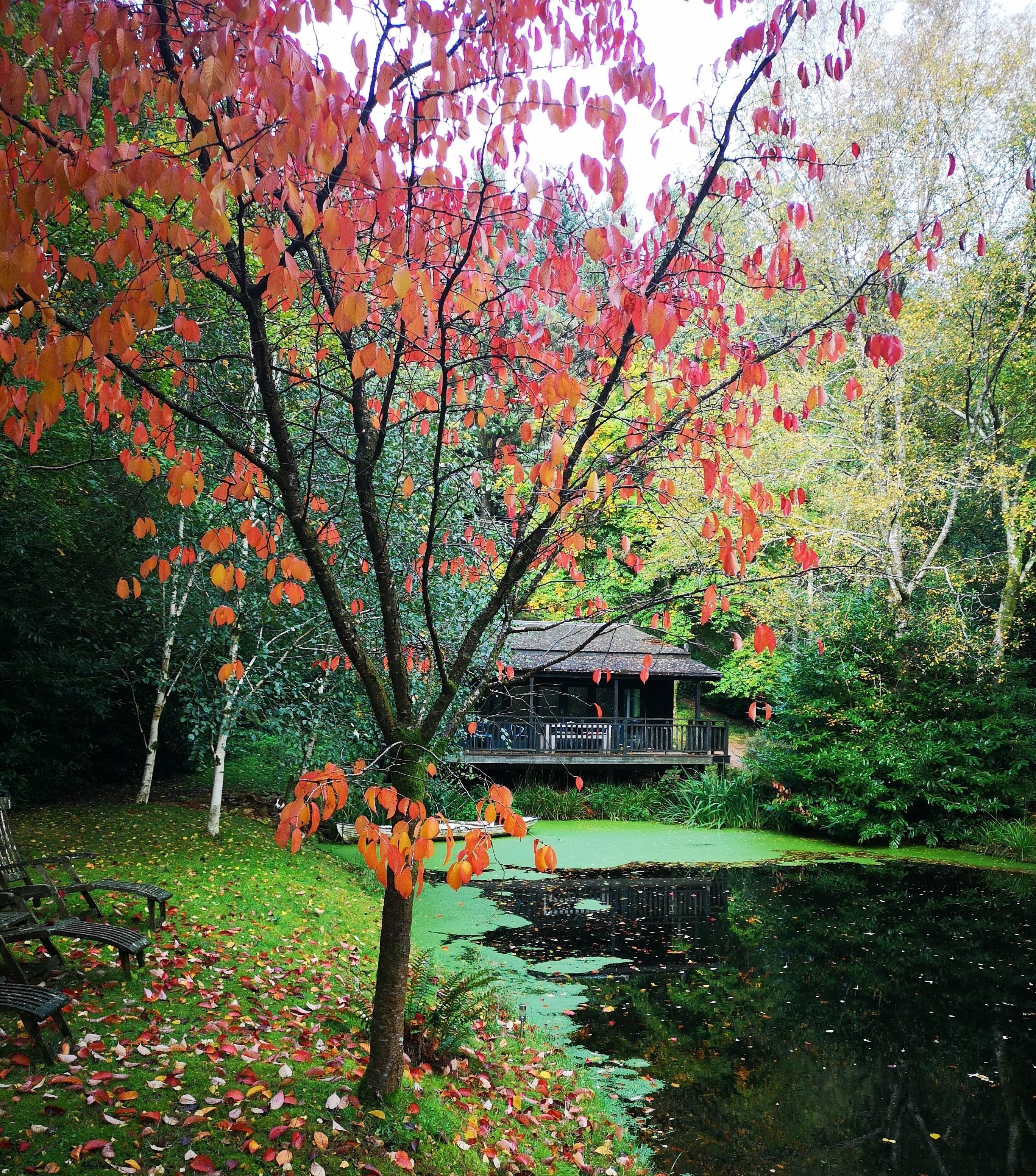
Create a micro-waterway. Even a shallow dish or upturned dustbin lid of water transforms your space. Better yet, a small pond, no matter how tiny, becomes an instant biodiversity hotspot. Remember, smaller-scale rewilding often requires us to create the water features that larger landscapes have naturally.
Leave the leaves and logs. Those fallen leaves aren’t a mess, they’re insect hotels. Add a habitat pile of twigs and branches in a corner. It’s aesthetically pleasing when arranged thoughtfully and provides crucial shelter for overwintering creatures.
Plant keystone species. Native plants like butterfly milkweed don’t just look beautiful, they support entire ecosystems. One well-chosen native can feed dozens of species.
How to Design Your LettsSafari Garden

Safari gardens are the future. A future that embraces rewilding and wildlife gardening - creating places that restore our depleted biodiversity. Spaces that remove carbon and clean the air. Havens for wildlife and nature. Here’s a simple blueprint for designing your very own LettsSafari garden.
The Immersive Experience
Perhaps the most thrilling development is how immersive rewilding has become. This isn’t about setting up a wild patch and walking away. It’s about experiencing the transformation as it unfolds.
Digital platforms are bringing rewilding to life in new ways. At LettsSafari , subscribers get front-row seats through video footage and stunning photography that transport them directly to rewilding sites. It’s like having a personal safari park you can visit anytime, watching seasons shift and wildlife arrive. In the next month or so we will launch the ‘LettsSafari Guide’ which is an AI chatbot that answers your rewilding and nature restoration questions, giving you hints and tips, and even steering you through your rewilding journey.
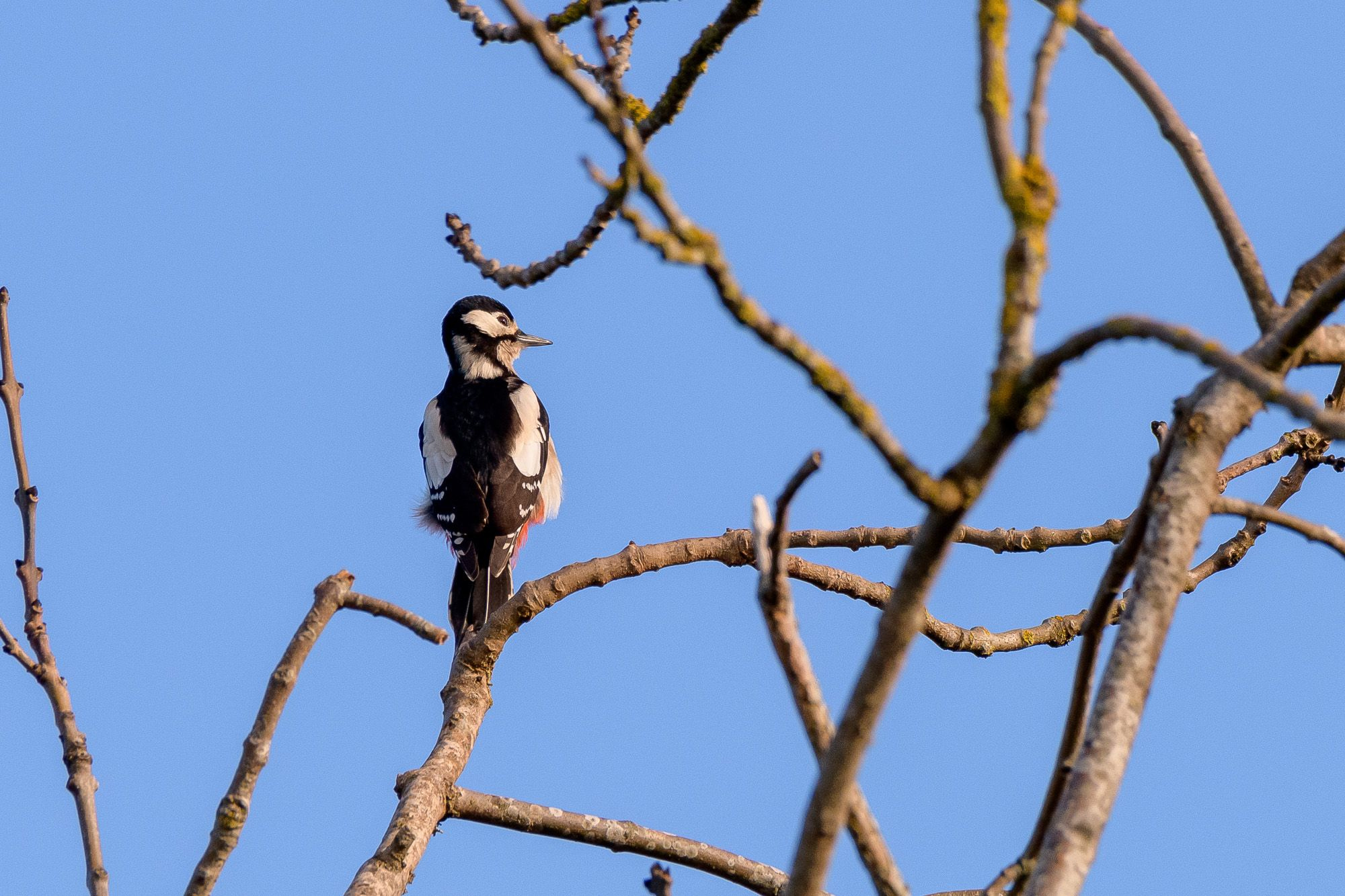
But the real immersion happens in your own space. When you create even the smallest wild area, you become a citizen scientist. You’ll notice the first hoverflies arriving at your wildflowers. You’ll hear new bird calls. You’ll spot the hedgehog that’s moved into your habitat pile. Each observation connects you deeper to the natural world and reminds you that you’re not just watching nature, you’re actively restoring it.
The Ripple Effect
The magic of smaller-scale rewilding is its exponential potential. When millions of us transform billions of gardens, verges, parks, and smallholdings, we create a connected network of habitats that can genuinely address the biodiversity crisis. As LettsSafari has shown across southwest England, when one project succeeds, others catch on. The ripple effect is already visible.
In 2026, you don’t need permission to start rewilding. You don’t need expertise or acres of land. You just need to give nature a bit of space and time. Whether it’s a balcony pot, a roadside verge, or a corner of your garden, your small act of rewilding joins a global movement that’s healing our planet one wild patch at a time.
If it was our collective new year’s resolution to start, expand or enhance our rewilding efforts - who knows where it could take us?
Get more LettsSafari updates and wildlife photos from our twitter. And read the latest posts at the LettsSafari + website.