


When people hear the word rewilding, they often imagine huge forests, remote landscapes or vast countryside projects filled with roaming wildlife. But rewilding doesn’t only belong in rural areas. Some of the most important environmental changes are happening quietly inside cities, on balconies, in community gardens, on neglected patches of grass and in forgotten corners between buildings.
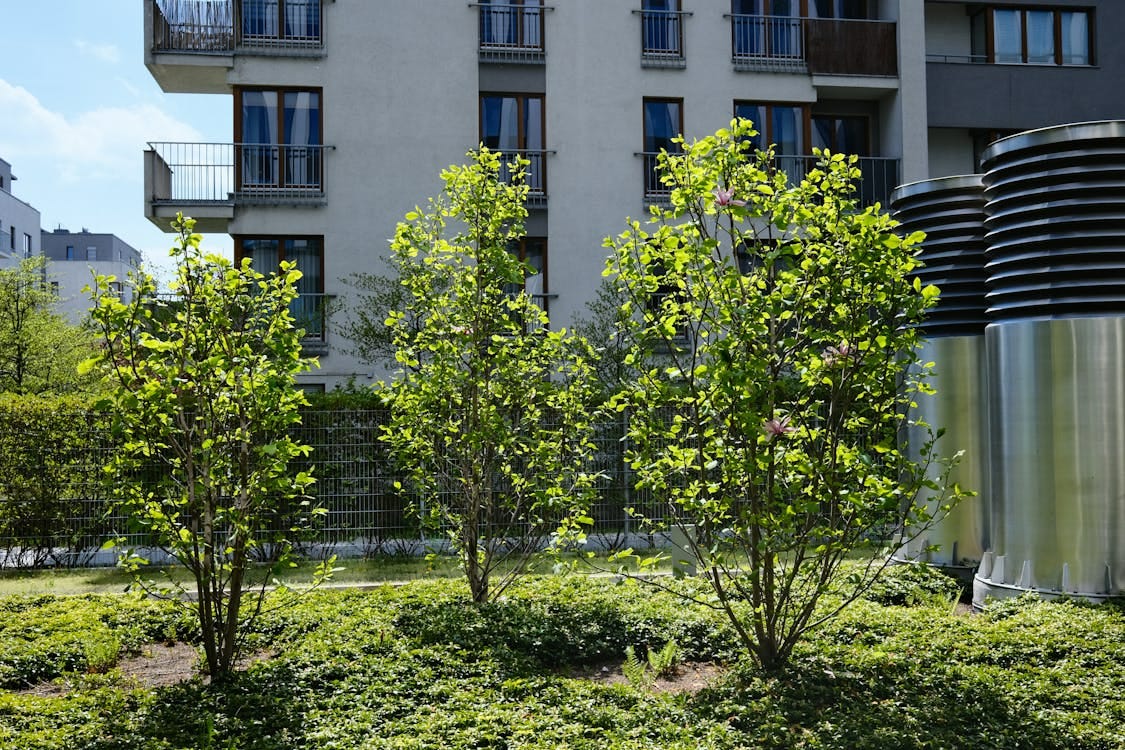
Urban rewilding may be smaller in scale, but its impact can be incredibly powerful.
As cities continue to grow and climate concerns become more urgent, many people are beginning to rethink what urban spaces should look like. Instead of endless concrete, perfectly trimmed lawns and lifeless developments, there is a growing movement towards making cities greener, wilder and more connected to nature.
And the best part is that anyone can be part of it!!
What Is Urban Rewilding?
Urban rewilding is about allowing nature to return to spaces that have become overly controlled or neglected. It can mean planting native wildflowers, creating habitats for pollinators, reducing excessive mowing, growing food locally or transforming unused land into thriving green spaces.
It is not about creating perfection. In fact, rewilding often embraces messiness and unpredictability. A patch of long grass buzzing with insects may not look “tidy” to everyone, but it is far more alive than a sterile lawn cut down every week.
Small actions matter more than people realise.
A few containers of wildflowers on a balcony. A community herb garden. Leaving part of a park unmown. Planting pollinator-friendly flowers outside your building. These are all forms of urban rewilding.
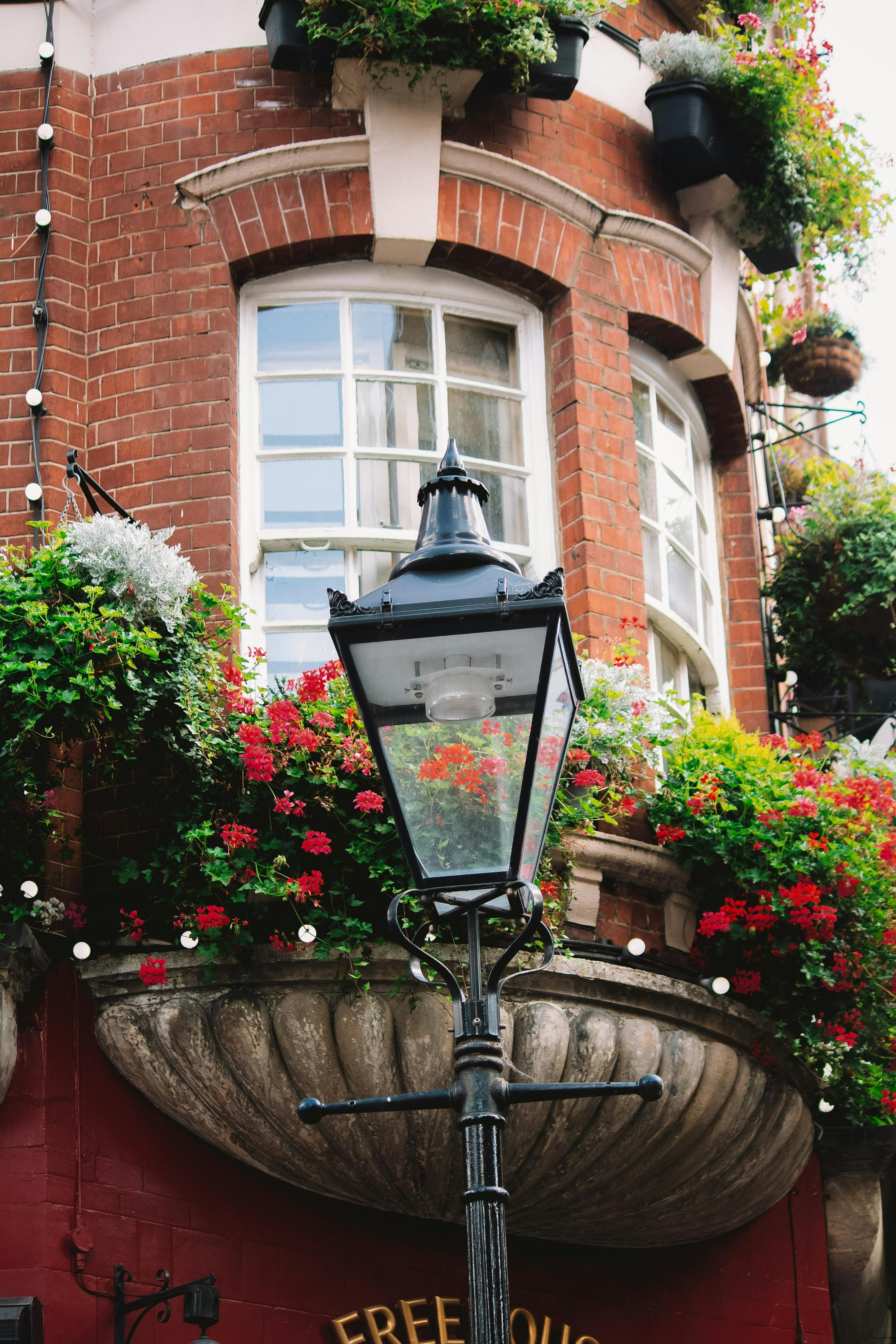
Why Cities Desperately Need More Nature
Modern cities can feel disconnected from the natural world. Many urban areas suffer from air pollution, heat retention, noise and a lack of accessible green spaces. Wildlife habitats are constantly shrinking, while people themselves are becoming increasingly detached from nature.
Urban green spaces help tackle several issues at once.
They can:
Support bees, butterflies and birds
Improve air quality
Reduce flooding by absorbing rainwater
Cool down cities during heatwaves
Improve mental wellbeing
Strengthen local communities
Encourage biodiversity
Nature is not just something beautiful to look at. Healthy ecosystems are essential for healthy communities!
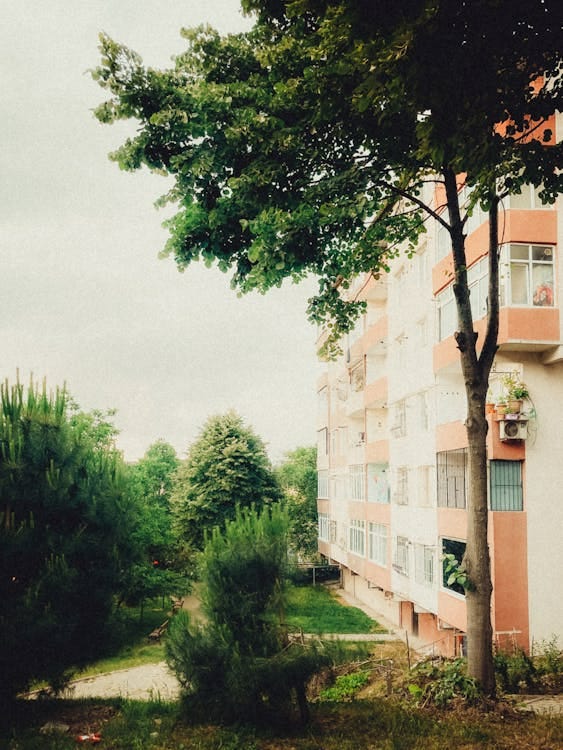
Community Is at the Centre of Rewilding
One of the most inspiring parts of urban rewilding is how community-driven it often becomes.
Across cities, local people are reclaiming neglected spaces and turning them into something meaningful. Empty lots become gardens. Grey alleyways become wildlife corridors. Tiny planters become shared projects between neighbours.
These initiatives often begin with only a few people who care enough to start.
If you’re interested in getting involved locally, check out our previous Substack blog, “Why You Should Join a Community Gardening Initiative This Summer”, where we explore how community gardening can help you reconnect with nature, meet like-minded people and make a positive impact in your local area during the warmer months.
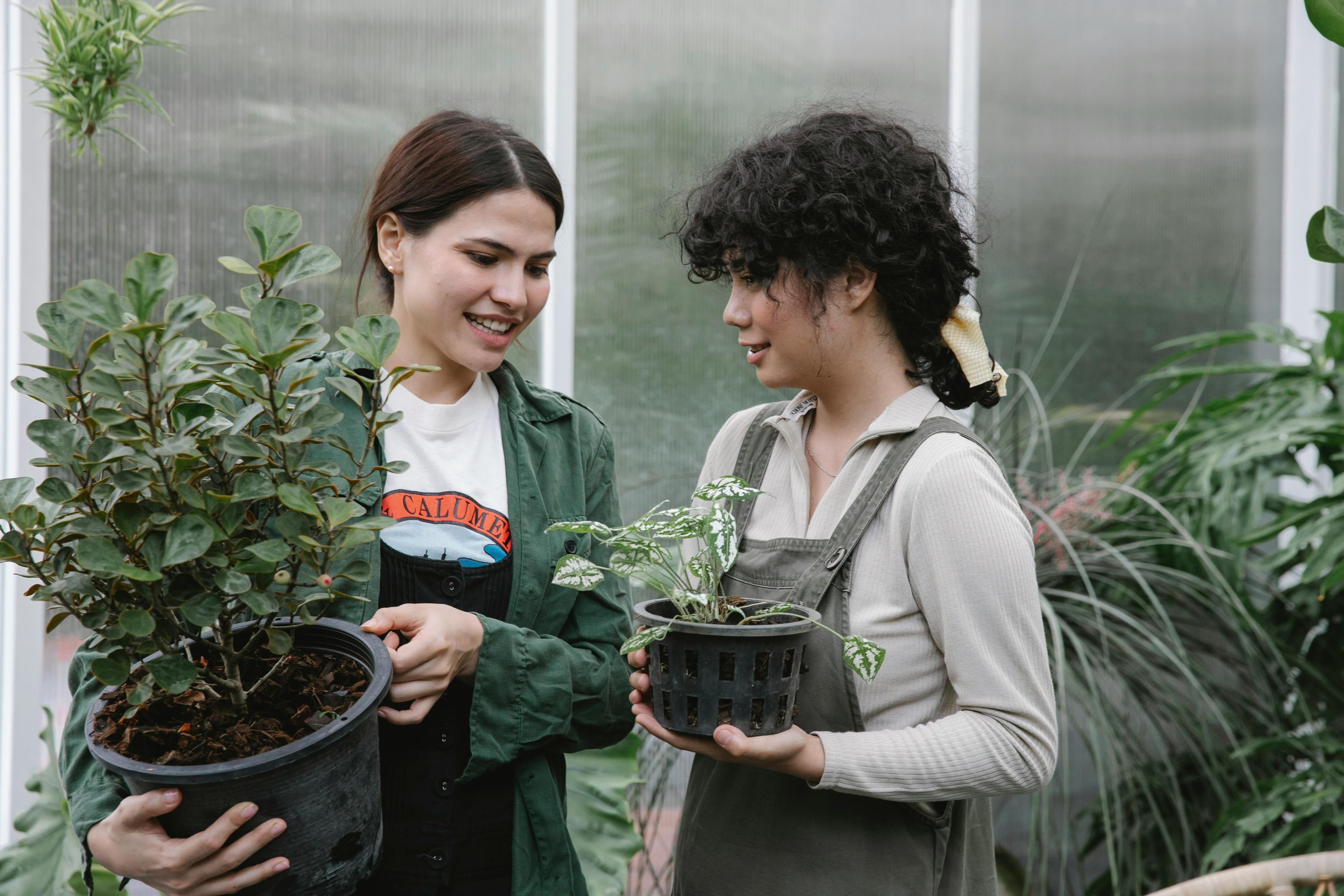
In a time where many people feel isolated or disconnected, these spaces can become places of belonging!
Rewilding Doesn’t Have to Be Expensive or Perfect
There is sometimes pressure online for sustainability and environmentalism to look aesthetic, expensive or highly curated. But real rewilding is often simple and accessible and wild!
You do not need a large garden or lots of money to make a difference.
You can:
Grow herbs on a windowsill
Scatter native wildflower seeds
Join a local gardening group
Create a small insect-friendly space
Compost food waste
Support local environmental initiatives
Encourage your council to protect green areas
Even choosing to notice and care about urban nature is a meaningful first step.
Letting Cities Feel Alive Again
For decades, many cities have been designed with efficiency rather than wellbeing in mind. But people are beginning to realise that greener cities are healthier, happier and more resilient places to live.
Urban rewilding reminds us that nature does not have to exist somewhere far away from everyday life. It can exist outside our windows, on our streets and within our communities. Nature has an incredible ability to return when given the chance and we need to give it that chance!
What small acts of urban rewilding have you noticed in your city? Whether it’s a community garden, a wildflower patch or simply letting nature grow a little wild, we’d love to hear about it!
Share this post with someone who cares about greener cities, and let’s continue building spaces where both people and nature can thrive together.
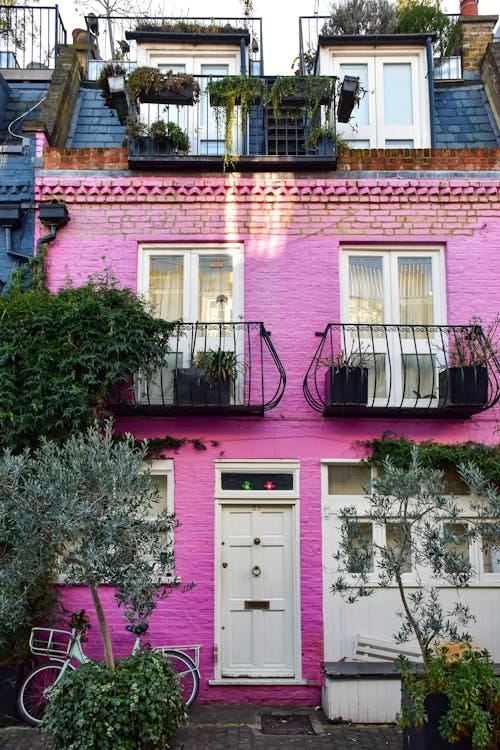
I love the little pockets of wild or natural within a built environment.