


You don’t need a vast garden, a countryside retreat or a £50,000 budget to give nature a helping hand. Sometimes, a few square metres and a little imagination are all it takes.
In the heart of London’s Marylebone, a small patch of urban greenery is about to get a rather impressive makeover.
George’s Pocket Park, tucked away on George Street, has been awarded £50,000 through Westminster City Council’s Greening Westminster programme. The funding will help transform the space into a greener, more welcoming place, with wildlife-friendly planting, rainwater-capturing planters and improved seating.
The project, being developed by Baker Street Quarter in partnership with The Portman Estate during 2027, aims to support pollinators, birds and other wildlife while giving local residents and workers somewhere pleasant to escape the surrounding concrete.
It’s a great example of how even the smallest urban spaces can become valuable habitats.
And the best bit? You can apply many of the same principles at home, without spending anything like £50,000.
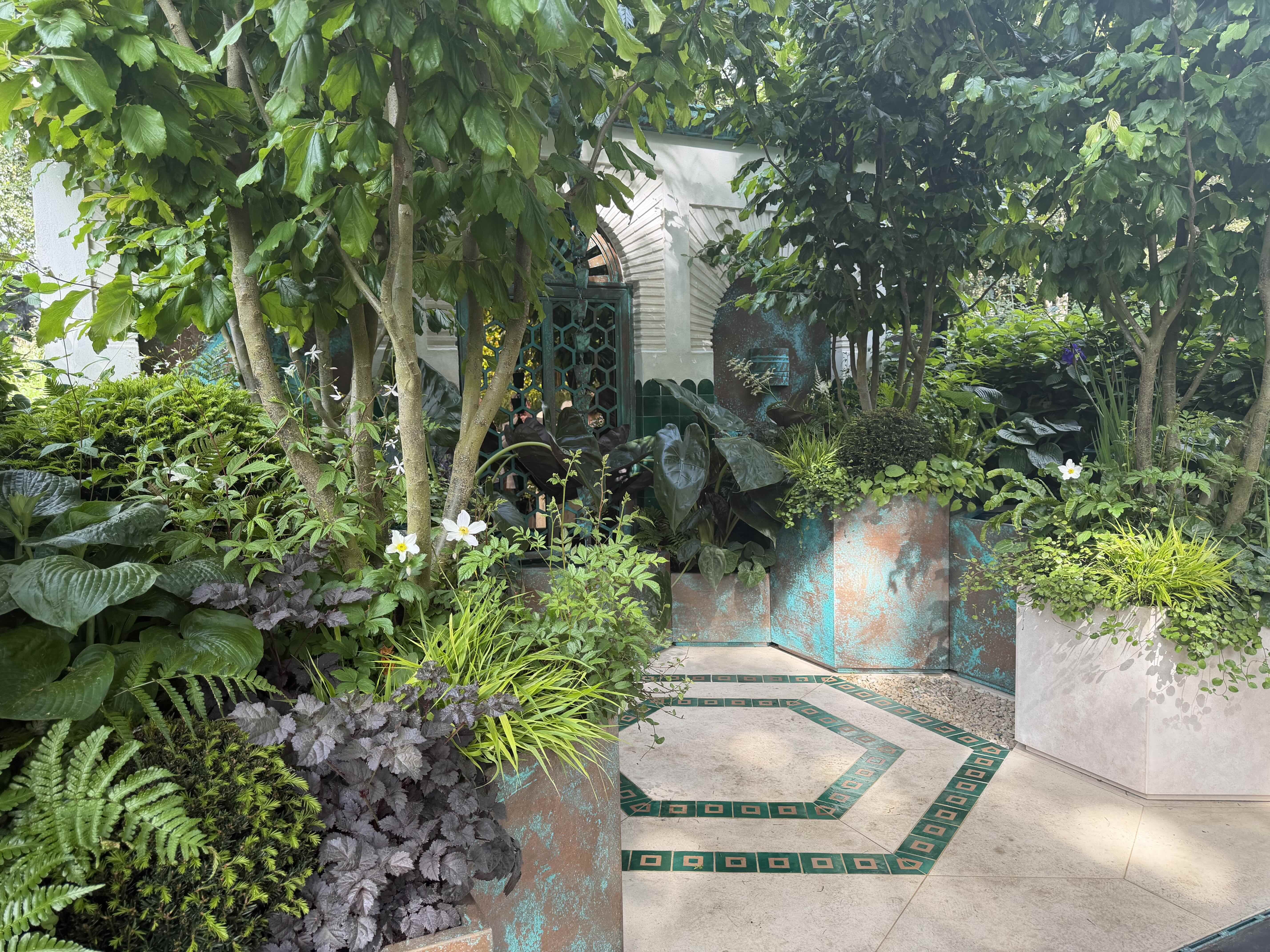
George’s Pocket Park demonstrates three simple principles:
Make every square metre count. Even tiny spaces can accommodate several wildlife-friendly features.
Think beyond appearances. Choose plants that provide nectar, seeds, berries and shelter, rather than simply looking attractive.
Get people involved. Community participation helps turn small greening projects into lasting neighbourhood improvements.
So how can you create something similar?
Five steps to creating your own pocket wildlife haven
1. Start with the space you’ve got
Don’t worry if you haven’t got a garden. A balcony, patio, front doorstep or neglected corner of a communal space can all become miniature wildlife habitats. Start by looking at what you have. Is it sunny or shady? Is there somewhere to grow climbing plants? Can you accommodate a few pots or a raised bed?
Try this: Choose just one square metre to improve. Add two or three containers of different heights, using peat-free compost and plants that flower at different times of the year.
If you’re working in a shared space, get permission before making changes.
2. Plant for wildlife, not just colour
One of the most useful features of George’s Pocket Park is its planned biodiversity-friendly planting. You can achieve something similar by choosing plants that offer food and shelter across the seasons. Good choices for UK urban spaces include:
Lavender: A favourite with bees in sunny, well-drained locations.
Bird’s-foot trefoil: A native wildflower that supports several pollinators and butterfly caterpillars.
Honeysuckle: Excellent for climbing over fences and providing nectar.
Hawthorn: Where space allows, its blossom, berries and dense branches support a wide range of wildlife.
Primroses: Useful early-season flowers for suitable shady or partially shaded spaces.
Aim for a mixture of flowering times rather than one spectacular summer display.
Try this in November: Plant suitable native shrubs and spring-flowering bulbs, such as crocuses and grape hyacinths, in well-drained soil or containers before prolonged freezing conditions arrive.
3. Add water, even if it’s only a bowl
Water can make a huge difference to wildlife. You don’t need to dig a pond. A shallow dish or watertight container can provide drinking water for birds and insects. Place a few stones inside so small creatures have somewhere to perch and can escape safely. Keep the water topped up, replace it regularly and clean the container. If you have space for a miniature wildlife pond, include shallow edges or an escape ramp.
Try this: Repurpose an old shallow ceramic dish as a wildlife water station in a sheltered corner of your garden.
4. Make room for a little mess
Here’s some welcome news for anyone who doesn’t enjoy autumn gardening: doing less can sometimes be better for nature. Fallen leaves, old stems and piles of logs provide shelter for insects and other small animals during colder months. A perfectly tidy garden can offer fewer places for wildlife to hide.
Try this in October and November:
Leave some fallen leaves beneath shrubs rather than bagging everything.
Keep selected seedheads standing through winter.
Create a small pile of untreated logs in a shaded corner.
Avoid cutting back every perennial until spring.
Your garden doesn’t have to look abandoned. Just leave a few corners for nature to manage itself.
5. Get your neighbours involved
One of the most interesting aspects of the Marylebone project is its community approach. Local workshops will help shape the design of George’s Pocket Park, bringing residents and businesses into the process. You could do something similar on a smaller scale. Talk to neighbours about planting a shared border, adding wildlife-friendly containers to a communal courtyard or creating a small pollinator patch. Even a few connected gardens can offer more opportunities for wildlife than isolated green spaces.
Try this: Invite three neighbours to each create one wildlife-friendly feature. It could be a planter, a water station or an area of longer grass.
Before long, you’ve created the beginnings of a neighbourhood wildlife network.
How LettsSafari helps bring nature closer to home
At LettsSafari, we believe that rewilding shouldn’t be limited to large rural estates or ambitious conservation projects. Restoring nature begins with understanding the value of the spaces around us, from gardens and local parks to neglected corners of our towns and cities. Our work supporting rewilding and nature recovery in Devon is part of that wider ambition: helping people reconnect with the natural world and encouraging practical action that supports biodiversity. We also share ideas, inspiration and practical guidance to help individuals and communities make their own contribution.
You don’t need to own land or become a conservation expert to get involved.
Whether you’re creating a wildlife-friendly balcony, getting neighbours together or supporting a larger habitat restoration project, every effort contributes to a more nature-friendly future.
The next great wildlife haven might be closer than you think. It could even be outside your front door.