


August in the city feels quiet. The swifts that were screaming over the rooftops all summer are gone. The birdsong that woke you up every morning since April has thinned right out. Everything feels a bit still.
But urban nature hasn’t wound down. It’s just shifted, and if you know what to look for, August in a city is fascinating!
The sky has changed
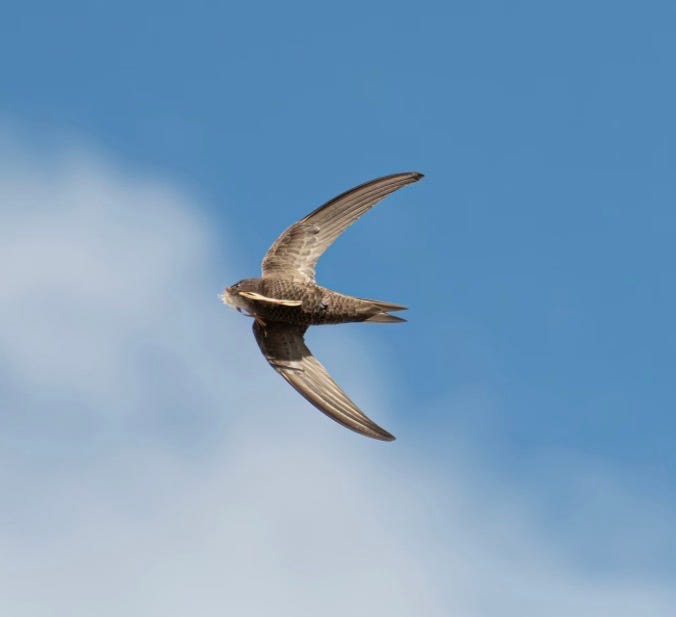
The swifts left. One evening they’re there, the next the sky is empty, off on a non-stop journey to South Africa that the young birds departing now will sustain for two or three years without landing once. Their disappearance is one of the sharpest seasonal signals there is, and most people in cities miss it entirely.
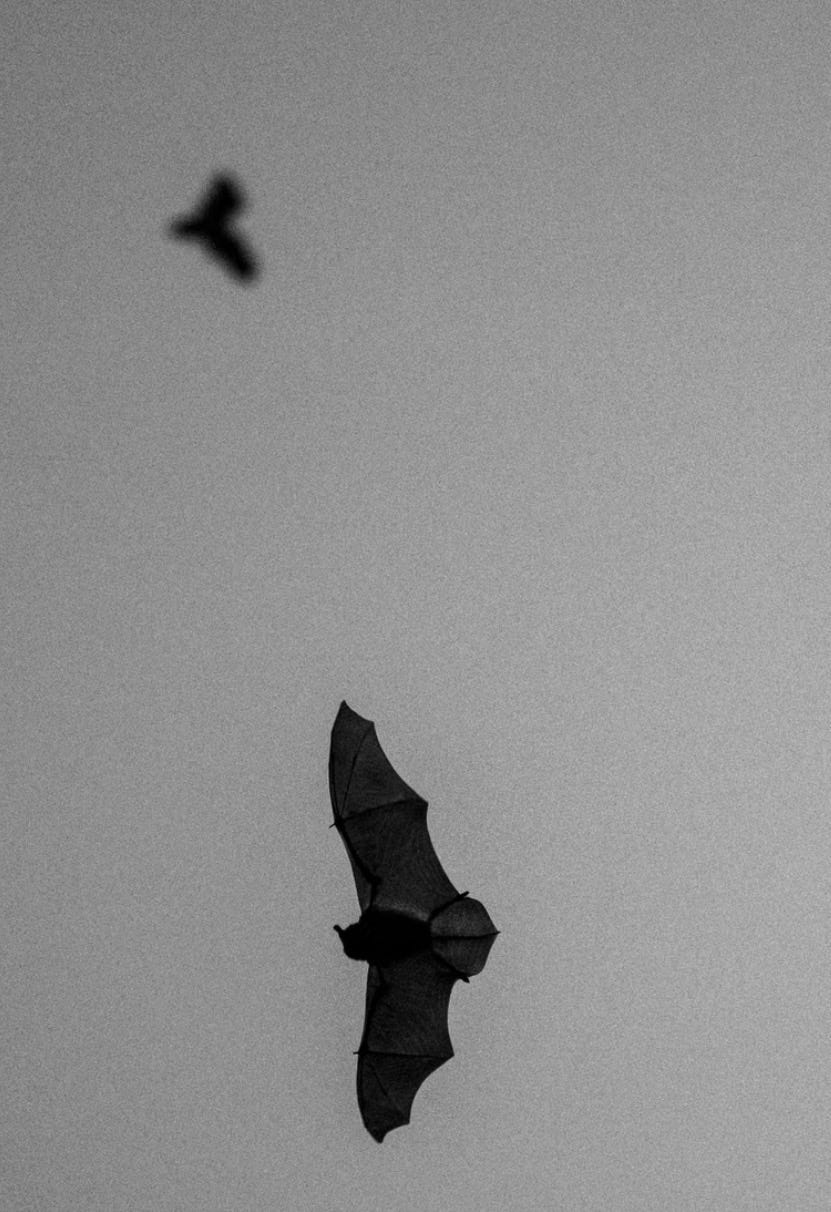
What replaces them at dusk is bats. August is their peak month, warm evenings, insects still abundant, and no competition from migrating birds. Stand outside after sunset in almost any London street, park or churchyard and you’ll see them. Most people have no idea how many bats are living in their city.
What’s happening at ground level
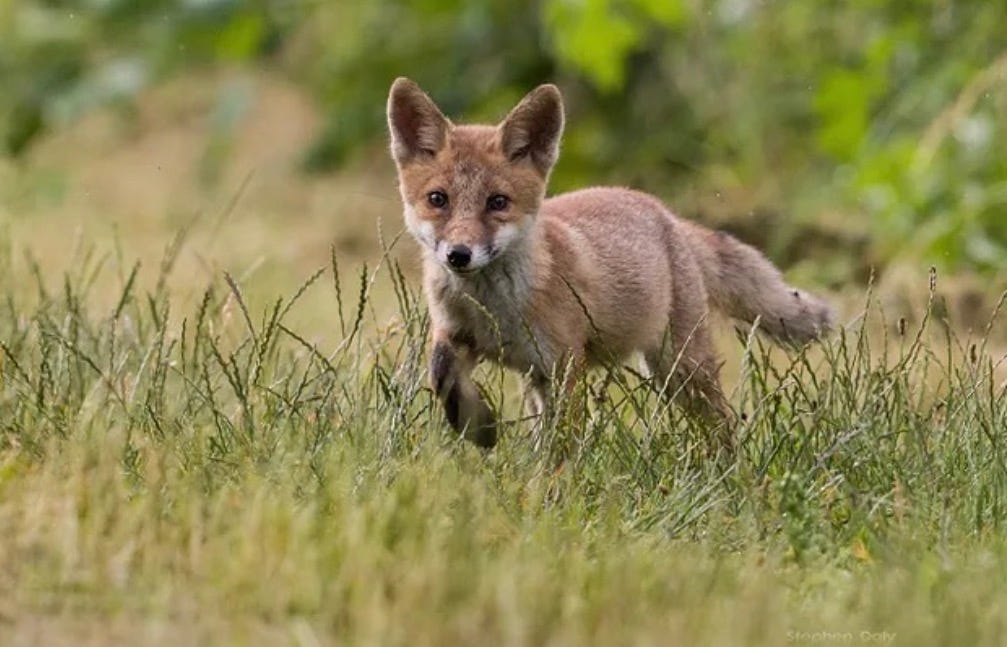
Urban foxes are in an interesting place right now. The cubs born in spring are almost fully grown but still figuring things out, exploring further, learning their territory, encountering roads and new situations without their parents right behind them. It’s why August and September tend to see more fox sightings in cities. They’re not lost, just newly independent.
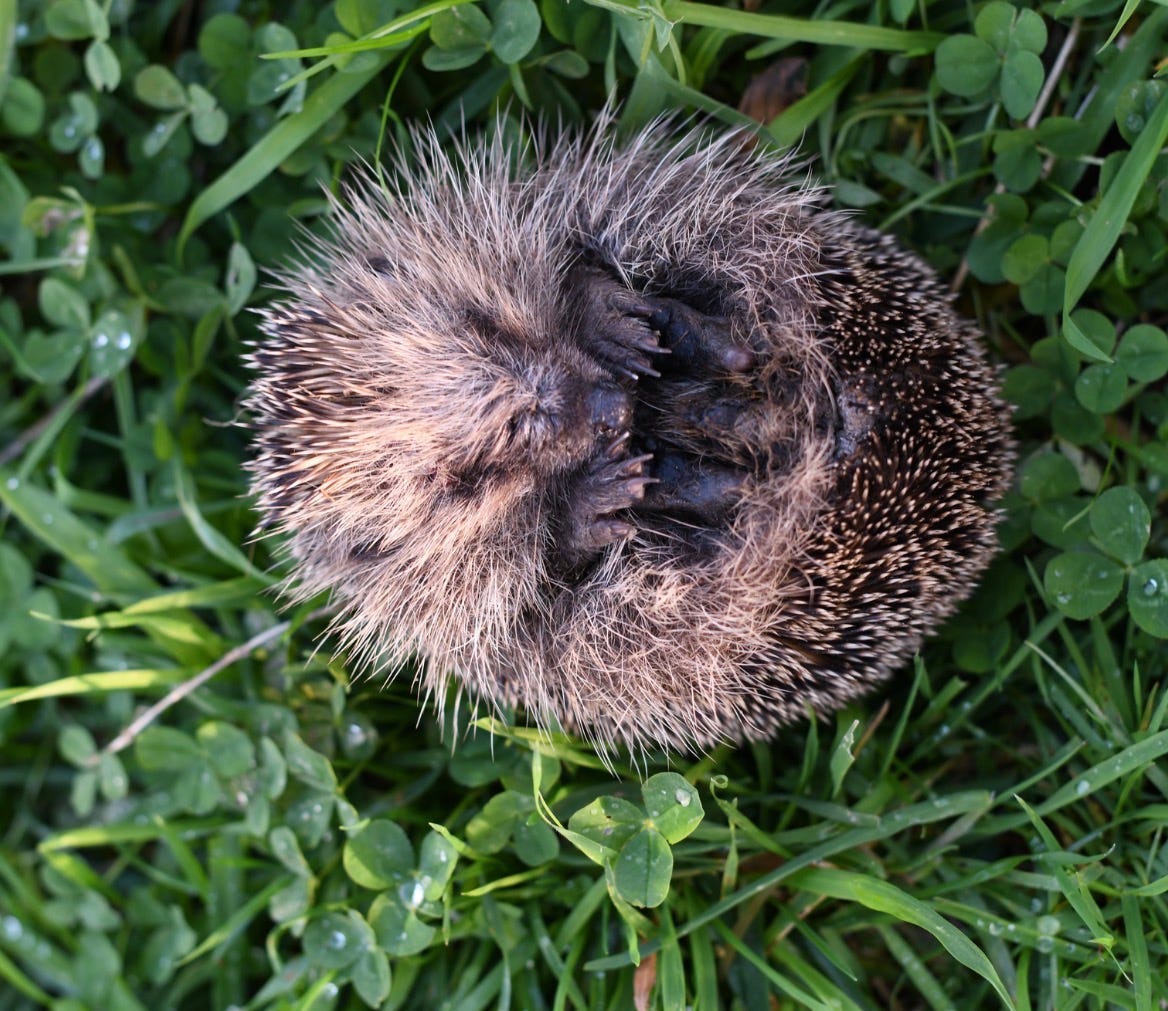
Hedgehog hoglets are doing the same thing. Born in June and July, they’re venturing out alone for the first time this month, navigating urban gardens, fences and roads on their own. They need to reach around 600g before hibernation in October. In a city, that’s genuinely hard, impenetrable fencing, hard baked soil, pesticide use, and a lack of connected green space all make it harder than it should be!
Garden birds are moulting. Replacing worn feathers before winter is exhausting and leaves some temporarily less able to fly. They’re quieter, lower to the ground, and easier to miss. They still need feeding.
What you can do
Water out and fresh, every day. This matters more in August than almost any other month; juveniles finding their feet, moulting birds, foraging hedgehogs, all of them struggling in the heat.
Leave the wild corners alone. That overgrown patch, the leaf pile, the log stack, resist tidying it until at least October. Urban hedgehogs build their hibernation nests in exactly those spots.
If you see a hedgehog out during daylight, it needs help. Contact your nearest wildlife rescue. A healthy urban hedgehog waits until dark.
And stand outside at dusk for ten minutes. Watch the bats. It’s a good reminder that the city is full of wildlife that most people walk straight past every single day!
What have you been spotting in your outdoor space this August? Tell us in the comments!