


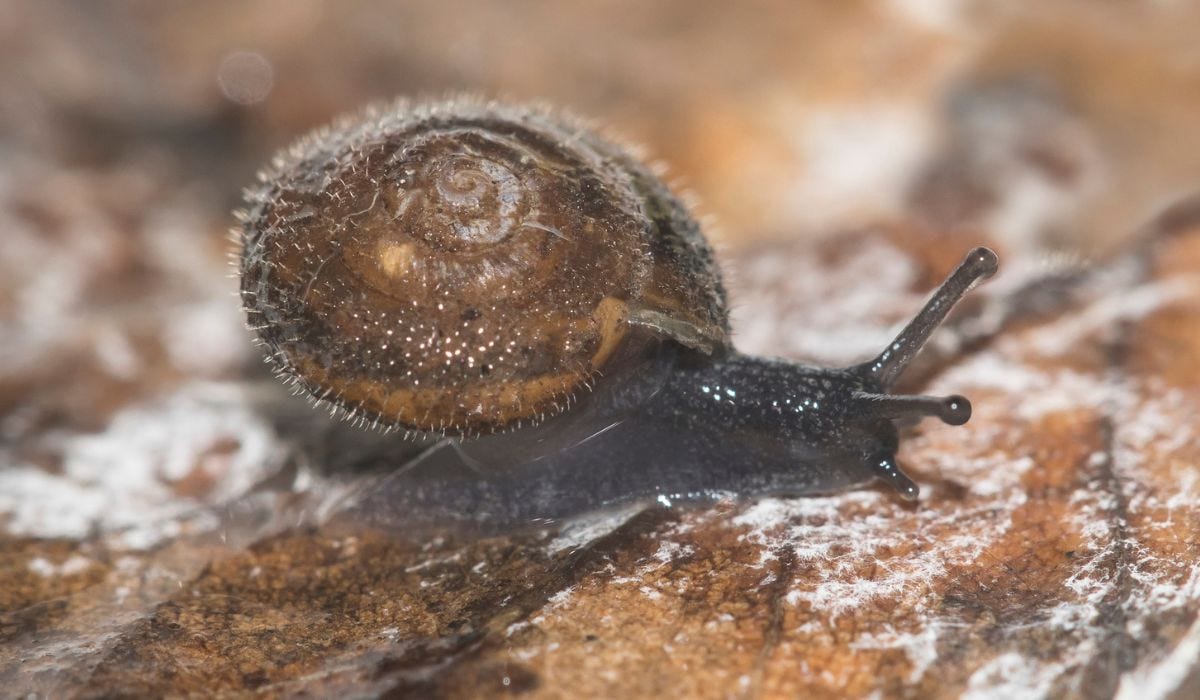
Have you ever heard of the humble German hairy snail? It might not have the charisma of a tiger or the glamour of a rare orchid, but it’s become a powerful symbol of how seemingly insignificant creatures reveal the health of our ecosystems, and how we at LettsSafari are stepping up to help.
What’s the story?
Earlier this month, conservationists launched a bold mission to map and protect this tiny, fine-haired snail whose homes are tucked away in damp riverbanks and wetlands around London and beyond.
Here’s what’s going on:
The German hairy snail (scientific name Pseudotrichia rubiginosa) lives on bare mud beneath willows and along tidal margins in the Thames and Medway catchments.
It’s been under-recorded and overlooked in biodiversity surveys - despite being a “priority species” in the London Biodiversity Action Plan.
A new pan-London citizen science survey aims to identify where this snail still exists, engage volunteers and use that data to protect its habitat.
This story might seem niche - snails, right? But there are big lessons here that tie directly into LettsSafari’s mission.
Small species, big signals
The German hairy snail may be tiny, but its presence or absence tells us a lot about wetlands, tidal river banks and how well our “blue-green” infrastructure is functioning. If these snails vanish, it’s a red flag for much wider ecosystem health.Hidden biodiversity in unexpected places
Urban river corridors, green corridors, neglected muddy strips beneath willows, places we might not even think about as nature hotspots, can hold remarkable biodiversity. Recognising that is fundamental to rewilding thinking.Data + community = better outcomes
This survey hinges on volunteers, citizen science, training and data gathering. It shows that conservation isn’t just about big organisations - it’s about everyday people observing, mapping, caring.Habitat over hero species
The project shifts the focus away from “cute flagship animals” and onto the habitats themselves - tidal margins, wetlands, riverbanks - ensuring they are functional, resilient and connected. That’s core to rewilding.
How LettsSafari steps in – our answer
At LettsSafari we work with smaller scale rewilding projects in gardens, parks and public spaces, and this snail story reminds that every species matters. Rewilding isn’t just about birds and bees - it’s about the muddy margins, the soil microbes, the shell-bearing invertebrates. Little things make big differences.
That’s why we can help people transform gardens, parks and community spaces into mini-wetlands, muddy strips, shaded damp zones - snail-friendly terrain if you will. Our mission aligns: rewilding doesn’t always mean acres - it often means square metres of thoughtful habitat. By creating these zones, we link into the bigger narrative of habitat recovery for species like the German hairy snail.
In summary
The German hairy snail may be a modest creature, but its story is massive in meaning. It reminds us that rewilding isn’t only about the majestic, it’s about the overlooked; it’s about habitat resilience, data-driven community involvement and the network of micro-habitats that add up to landscape-scale change. At LettsSafari, we’re proud to work in that zone where gardens meet wetlands, where balconies meet muddy banks, and where you can make a difference - one snail-friendly spot at a time.
If you’d like to dive deeper into how we can help you create a small habitat in your space, or join our community of micro-rewilders, drop us a note. Because when hidden snails thrive, you know the ecosystem is whispering: we’re healing.