


Sometimes rewilding begins with hundreds of acres of land, major funding and ambitious restoration plans.
And sometimes it begins in a garden shed.
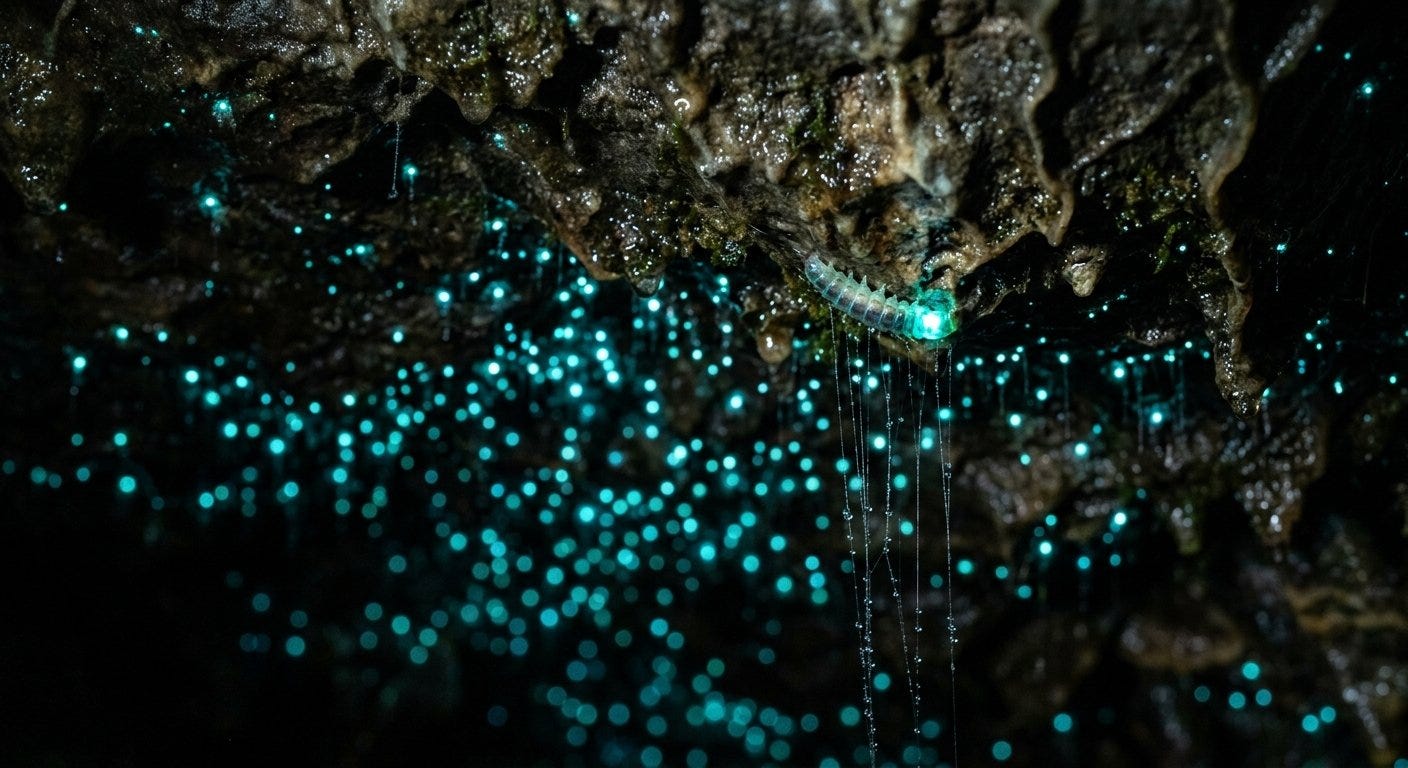
Glowworms have returned to Nosterfield Nature Reserve in North Yorkshire for the first time in more than 100 years, following a remarkably low-budget conservation project involving an ecologist, volunteers and hundreds of tiny glowworm larvae.
Independent ecologist Pete Cooper and volunteer “glow-getters” bred glowworms in captivity before releasing larvae at Nosterfield in 2024. Because glowworms take around two years to mature, the team had a long wait before discovering whether the experiment had worked.
This summer, volunteers recorded up to 12 glowing female glowworms over several weeks - the first encouraging evidence that the insects can once again complete their lifecycle at the reserve.
It’s a wonderful conservation story. But it also contains some useful lessons for anyone interested in rewilding a garden, neighbourhood or small patch of land.
First, create the habitat. Then let wildlife find it
One of the most important parts of the Nosterfield story actually happened long before the glowworms arrived. The reserve occupies former quarry land. Since 1997, the Lower Ure Conservation Trust has gradually transformed parts of the site into species-rich grassland and wetland habitat.
Wildlife followed.
Bitterns and marsh harriers now use the site, and the restored habitat eventually became suitable enough for conservationists to attempt the return of glowworms. There’s a useful principle here for small-scale rewilding:
Don’t start by asking which animal you want to attract. Start by asking what habitat you can create.
Food, shelter, water and places to reproduce are what bring wildlife back.
1. Leave part of your garden untidy
Glowworms are one of many species affected by our enthusiasm for neatness. Short grass, cleared leaves, clipped edges and constantly disturbed soil might look tidy to us, but they remove hiding places and food sources for insects and other wildlife. Try leaving one area largely alone.
That might mean:
letting grass grow longer
leaving fallen leaves beneath shrubs
allowing dead stems to remain through winter
creating a small pile of logs or branches
reducing how often you cut vegetation
You don’t need to turn the entire garden into wilderness. Even one less-managed corner gives nature somewhere to operate on its own terms.
2. Turn down the lights
There is another particularly relevant lesson from glowworms: darkness is habitat too.
Female glowworms use bioluminescence to attract males. Artificial lighting can interfere with that signalling, and increased night-time illumination is one factor associated with their decline. Making your garden more wildlife-friendly can therefore be as simple as switching something off. Try turning off unnecessary garden lighting overnight, using motion sensors rather than permanent illumination and avoiding bright lights around hedges, trees and areas of long grass. Your electricity bill may appreciate this particular rewilding project too!
3. Grow a variety of plants
Nature likes variety. Different heights, flowers, grasses, shrubs and groundcover create different microhabitats. Instead of designing every part of a garden around a single lawn or planting style, aim for layers. You could combine longer grass with flowering plants, shrubs, climbers and a small tree. Native plants can be particularly valuable because they have evolved alongside local insects and other wildlife. More plant diversity usually means more opportunities for wildlife.
4. Reduce chemicals
Glowworm larvae feed on snails and slugs. That is a useful reminder that species we sometimes regard as garden pests are actually part of much larger food webs. Slug pellets, pesticides and herbicides can affect far more than their intended targets. Where possible, allow natural predators to do some of the work instead. Beetles, birds, frogs, hedgehogs and other species all help regulate populations naturally. A slightly nibbled leaf may simply be evidence that your garden ecosystem is working.
5. Add water
One of the most effective things you can do for wildlife is also one of the simplest: provide water. And of course with an unusuallly hot Summer behind us, we have the space to revisit this. A pond can support insects, amphibians and birds, but it doesn’t need to be large. A container pond, shallow basin or buried tub can create valuable habitat surprisingly quickly. Make sure animals have an easy way in and out, and avoid introducing fish if wildlife is your priority.
6. Think in years, not weekends
Perhaps the most important lesson from Nosterfield is patience. Glowworm larvae were first released in 2024. The conservationists behind the project had to wait two years before seeing glowing adults. And even now, they won’t know whether a genuinely self-sustaining population has been created until later generations mature. Rewilding works on nature’s timetable. Plant a hedge today and birds may use it for decades. Dig a pond and dragonflies might discover it within weeks. Leave grass long and wildflowers may gradually emerge over several seasons. The important thing is to start.
How LettsSafari helps
We believe rewilding should be something ordinary people can participate in, even if they don’t own acres of countryside. LettsSafari subscriptions help fund practical rewilding projects while also helping people discover simple ways to make more space for nature at home. Our model turns lots of small contributions into measurable action: as the community grows, subscriptions help fund trees, wildlife restoration and ultimately new areas of rewilded land. The return of Nosterfield’s glowworms shows what can happen when people give nature the right conditions - and then give it time. You don’t need a conservation degree. You don’t even necessarily need a garden shed full of glowworms. You just need to start making a little more room for the wild.