


In the world of rewilding, larger animals often steal the spotlight, but the importance of rodents such as mice, rats, and squirrels cannot be overstated. These small mammals play a vital role in maintaining the balance of ecosystems, particularly in smaller-scale rewilding projects designed to restore nature in urban, semi-urban and suburban settings.
Rodents are incredibly adaptable creatures found across various habitats in the UK, from woodlands and grasslands to urban gardens. Their preferred environments include areas with abundant food sources, such as seeds, fruits, and nuts, which they forage for daily. This foraging behaviour not only sustains them but also supports the larger ecosystem by aiding in seed dispersal and promoting plant growth.
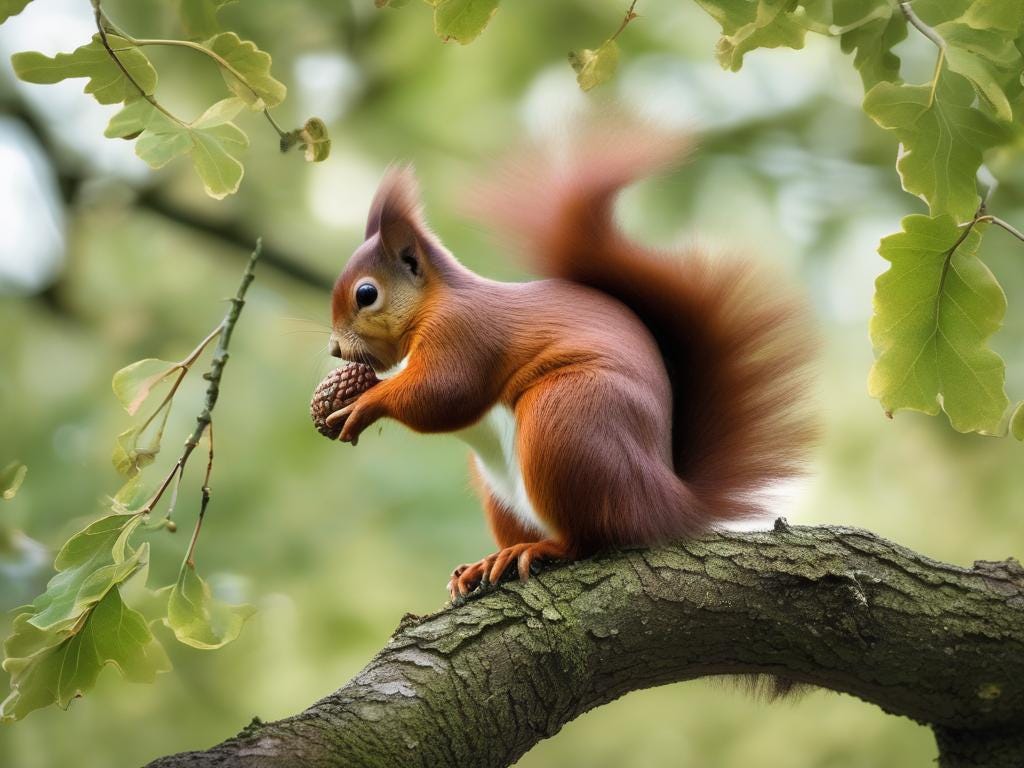
Among the most iconic rodents in the UK is the red squirrel, found mostly in Northern England, Scotland and Northern Ireland, known for its striking tufted ears and bushy tail. Primarily found in coniferous woodlands and forests, red squirrels thrive on a diet of nuts and seeds. Interestingly, they have a unique habit of burying their food, which significantly contributes to forest regeneration as they often forget where they have hidden their stash. This behaviour underscores their role as ecological gardeners.
Endangered Water Voles Reintroduced at LettsSafari Parks

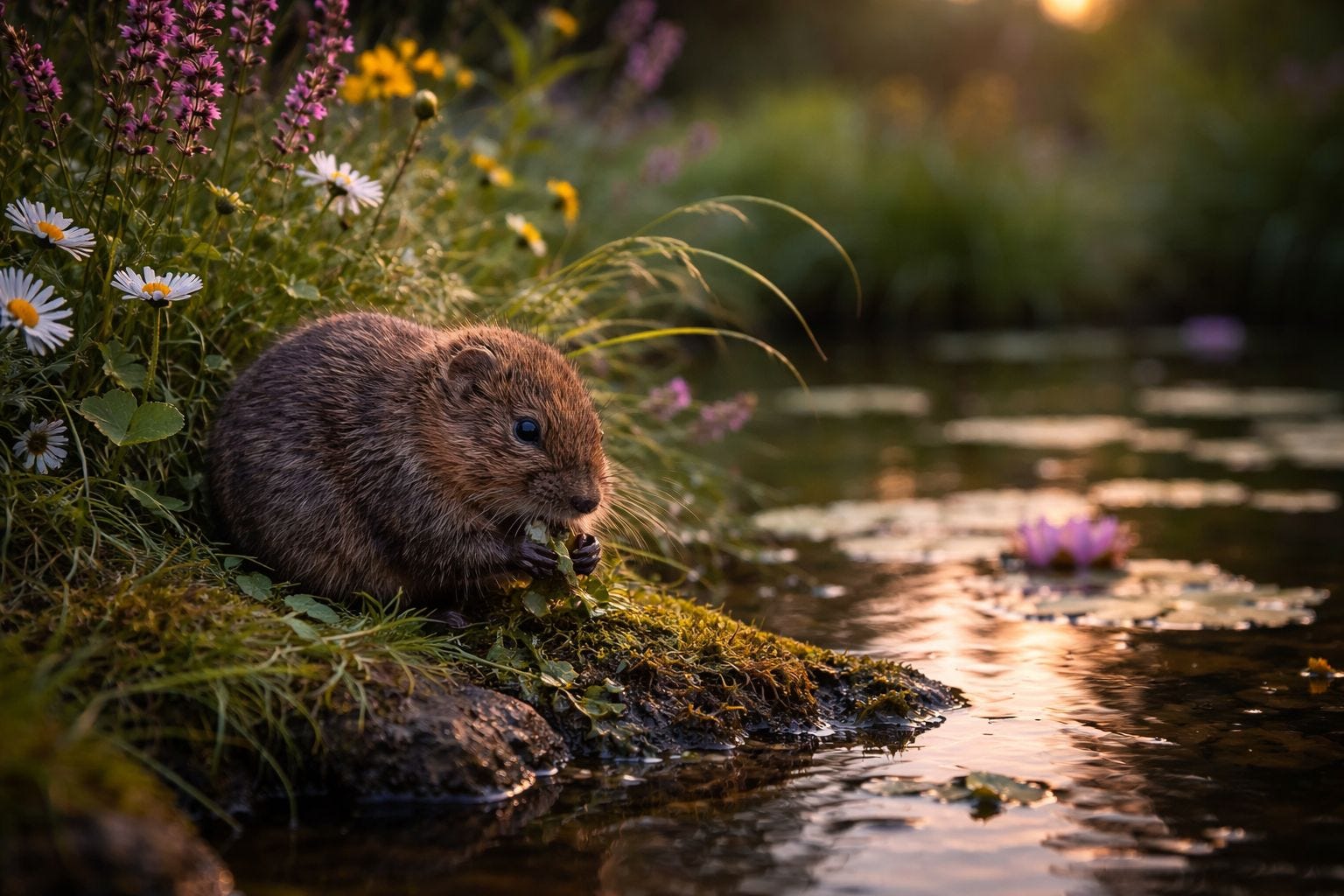
The reintroduction of water voles in Britain has become a critical part of the country's rewilding efforts, aiming to restore ecosystems that have been significantly damaged over time. Water voles, often referred to as "Ratty" from Kenneth Grahame’s The Wind in the Willows, were once widespread across Britain.
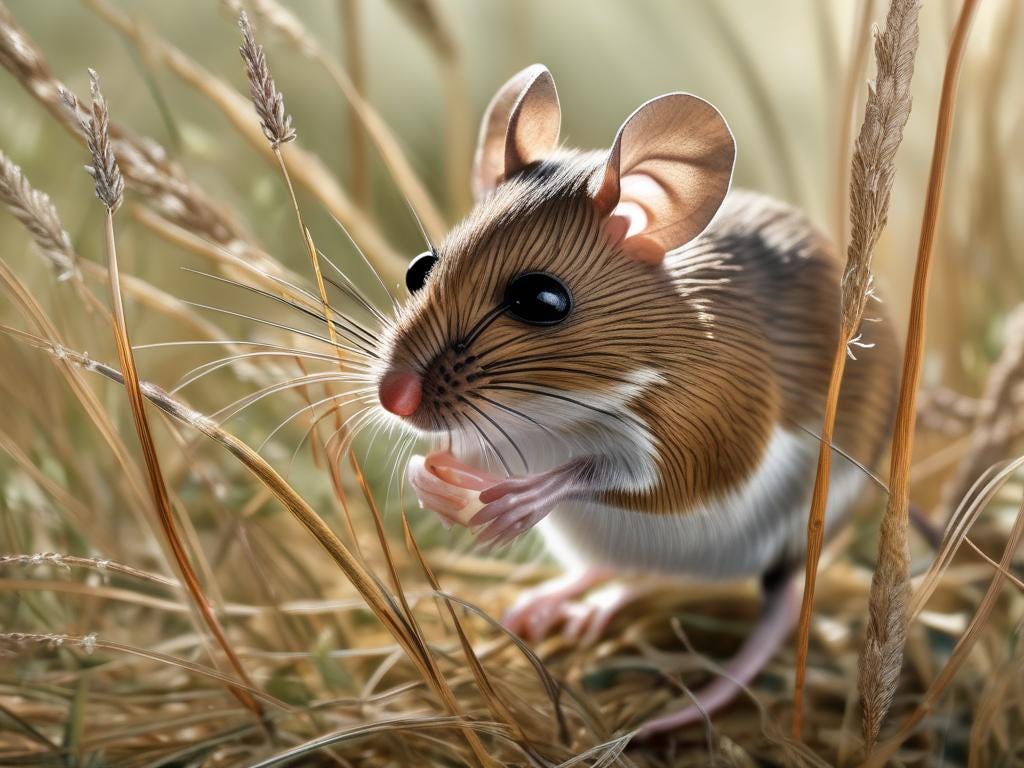
In contrast, the common and wood mice are nocturnal and spend their nights foraging for grains, seeds, and fruits. These small rodents help control plant populations and create space for new growth, promoting biodiversity. Did you know that wood mice can leap up to 30 times their body length? This agility helps them evade predators while foraging.
Rodents are also essential in the food chain. As prey species, they provide a critical food source for various predators, including foxes, birds of prey, and even snakes. The presence of healthy rodent populations supports the entire ecosystem’s stability by sustaining these higher trophic levels. Research indicates that thriving rodent communities can enhance biodiversity, allowing for a richer and more complex ecosystem. The significant numbers of rodents, and in particular, fleld voles in LettsSafari parks and gardens support a sizeable, diverse collection of birds of prey and other predators.
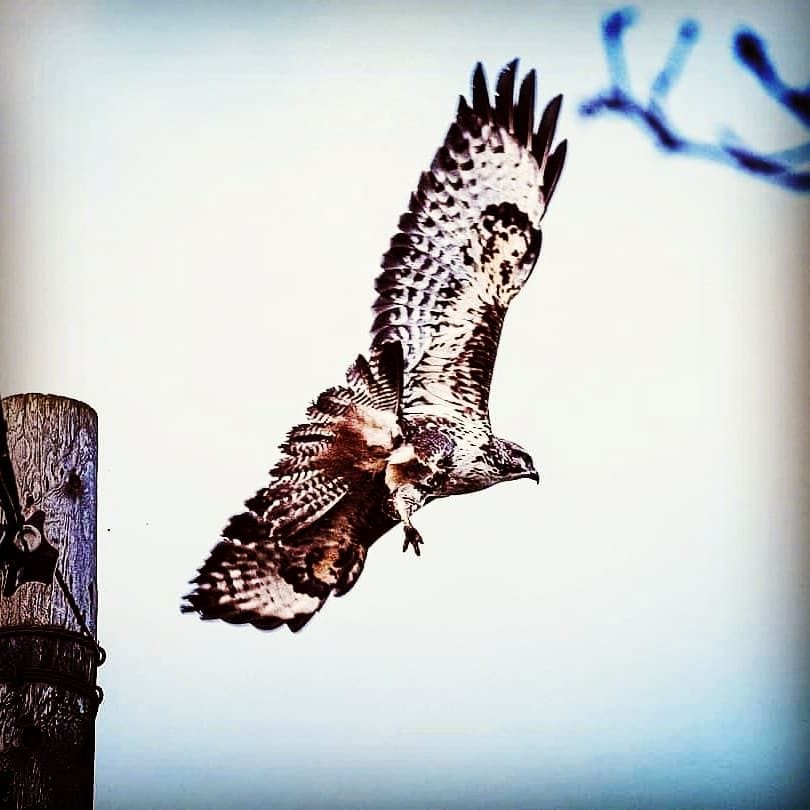
Studies have shown that areas with robust rodent populations tend to support higher numbers of predatory birds. The balance of these populations is crucial; when rodent numbers decline, it can lead to a cascade of effects throughout the food web, highlighting their importance in maintaining ecological balance.
Beyond their ecological roles, rodents contribute to the charm of rewilded landscapes. Observing these small creatures in their natural habitats can be a delightful experience for nature enthusiasts. Whether it’s watching a red squirrel scamper up a tree or spotting a wood mouse darting across a garden, these moments connect people to the natural world and inspire further conservation efforts.
Another interesting aspect of rodents is their ability to adapt to various environmental challenges. Urban areas have seen an increase in populations of both common and wood mice, which thrive in gardens and parks. These adaptable species exploit human-created environments, showcasing their resilience. Their natural homes below ground can be traded for your sheds or cellars!.The more wild habitats you create the more likely they will nest there instead! Incentive indeed.
The role of rodents in rewilding projects extends beyond just their ecological functions. They also serve as indicators of environmental health. A thriving rodent population often signifies a balanced ecosystem, while a decline may indicate underlying issues such as habitat degradation or pollution. Monitoring these small mammals can provide valuable insights into the overall health of an ecosystem.
Engaging others in these efforts enhances awareness of the importance of rodents and wildlife more generally. Just because rodents are more visible, does not mean they are any less important in the make up of our natural landscapes and wildlife ecosystems. Educational programs that highlight the role of these creatures in local biodiversity can inspire people to participate in conservation initiatives. Simple actions like creating habitats in gardens or planting native plants can significantly impact these small yet mighty mammals.
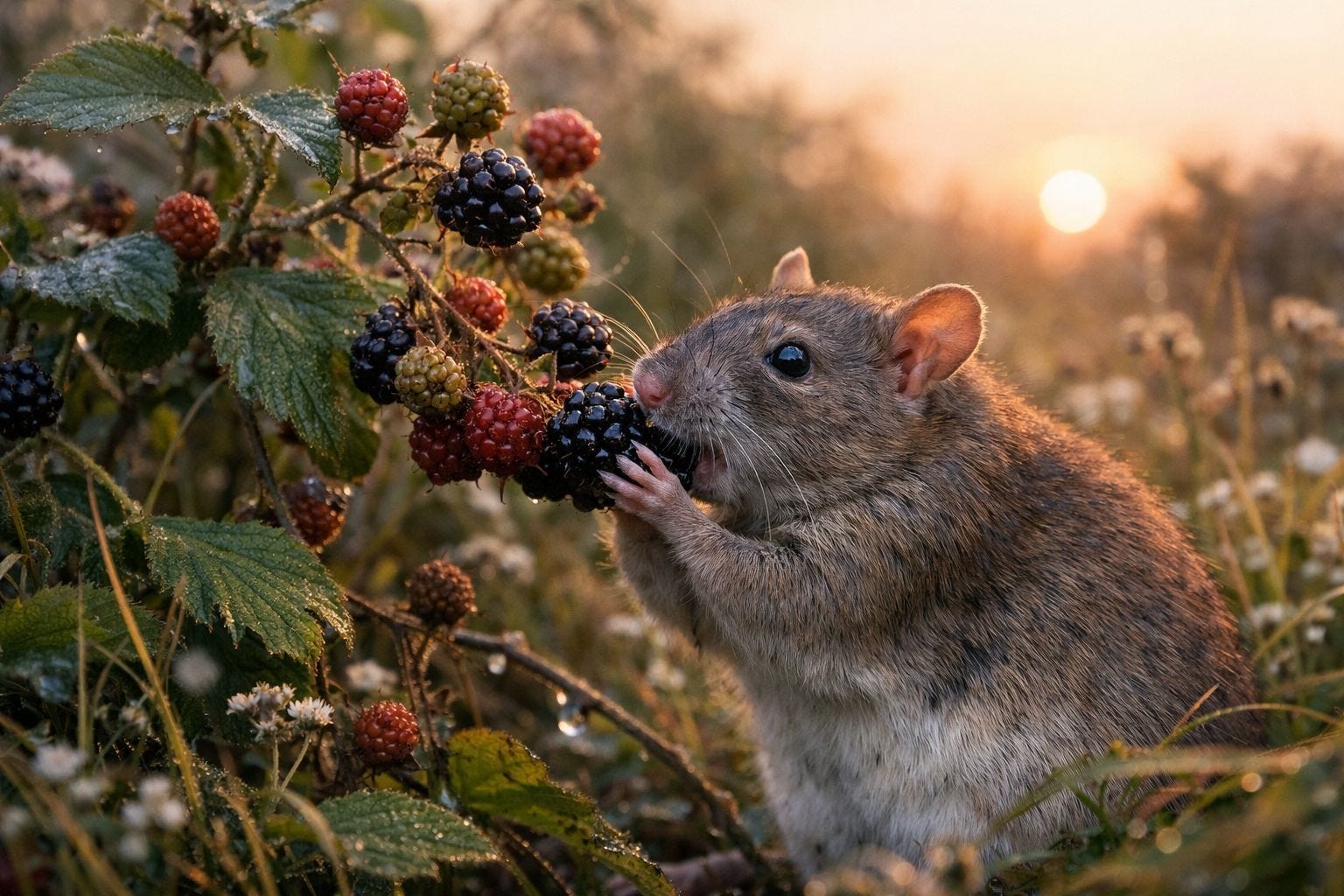
The presence of rodents fosters a diverse range of wildlife, creating a vibrant environment that attracts various species. This biodiversity is essential for maintaining resilience against environmental changes and diseases, making the case for including rodents in rewilding discussions even stronger.
As we move forward in the rewilding movement, acknowledging the integral role of rodents like mice, rats, voles and squirrels is imperative. By understanding their habits, habitats, and ecological significance, we can develop more effective strategies for nature restoration that promote the health of entire ecosystems. Every small action counts, and as we include these unsung heroes in our small-scale nature narratives, we pave the way for a more sustainable and biodiverse future.
Get more LettsSafari updates and wildlife photos from our twitter. And read the latest posts at the LettsSafari + website.