


The City of London, the UK’s bustling financial capital, is undergoing a remarkable transformation. A new initiative, the City of London Gardens Rewilding project, aims to create a network of green spaces that not only enhance biodiversity but also provide a haven for urban wildlife. At the heart of this project are the principles of smaller-scale rewilding, an approach that LettsSafari first developed in a New York garden back in 2006. We were invited to take a look at how the City of London is measuring up.
The city is adopting smaller-scale rewilding, a strategy that involves restoring natural processes to small areas within urban environments, given it's historic and numerous tiny gardens and windows of green space. The project recognises that even the smallest green spaces can play a vital role in supporting biodiversity.
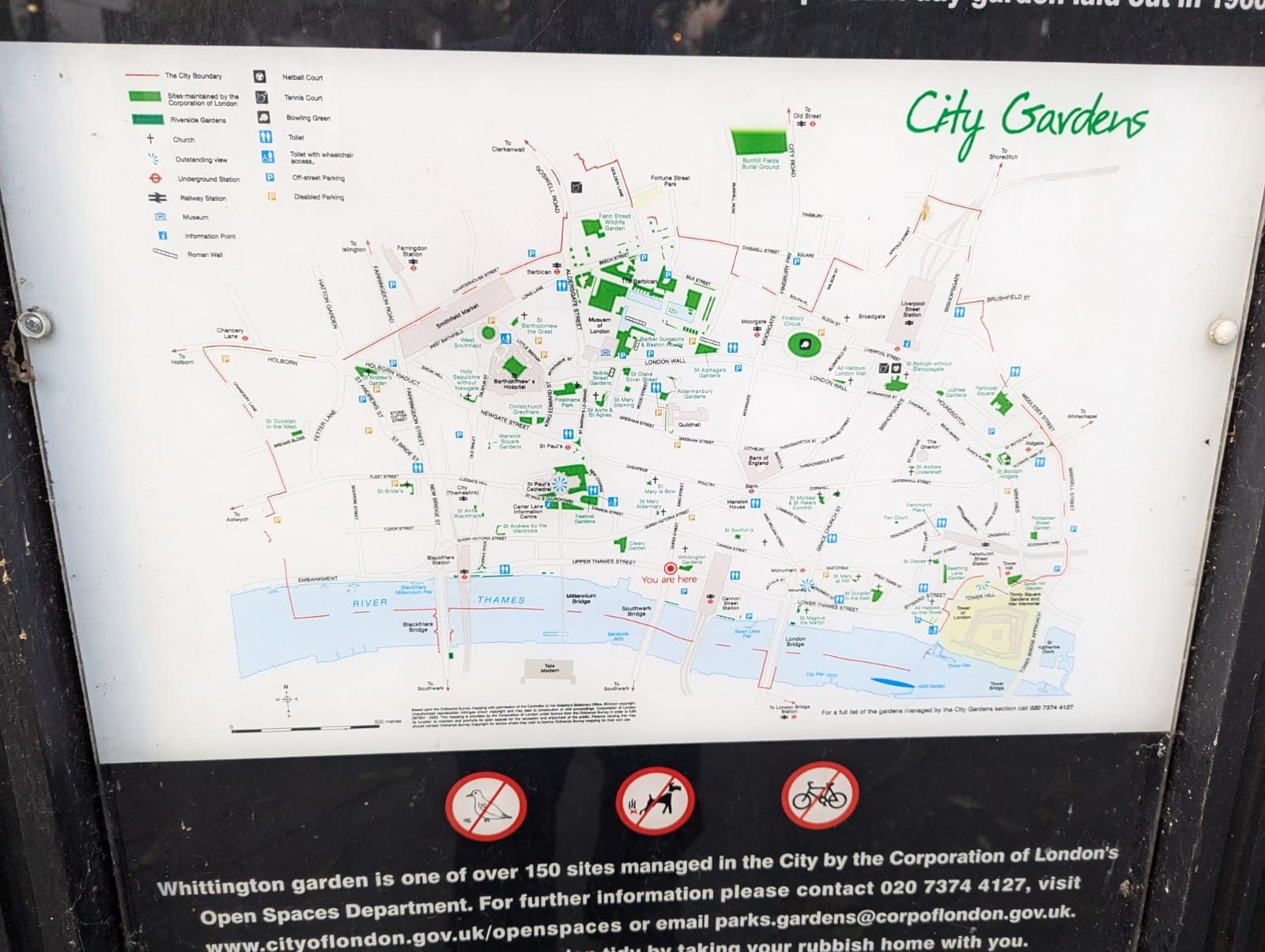
The City of London has focused its rewilding on creating diverse habitats to accommodate various species, such as planting native trees, shrubs, and wildflowers in whatever space is available. It has begun allowing natural processes to take their course, such as the growth of wild shrubs and the development of dead-hedged habitats. The City has also taken steps to limit human interference so that these spaces can develop on their own, and then, over time, manage themselves.
One of the key factors in the success of the City of London Gardens Rewilding project has been the involvement of the local community. Residents and businesses have been actively participating in various aspects of the initiative, from planting trees and wildflowers to monitoring wildlife populations. This community engagement has not only helped to accelerate the project but has also fostered a sense of ownership and pride among the local people. We have counted over 40 small green spaces that have got involved.
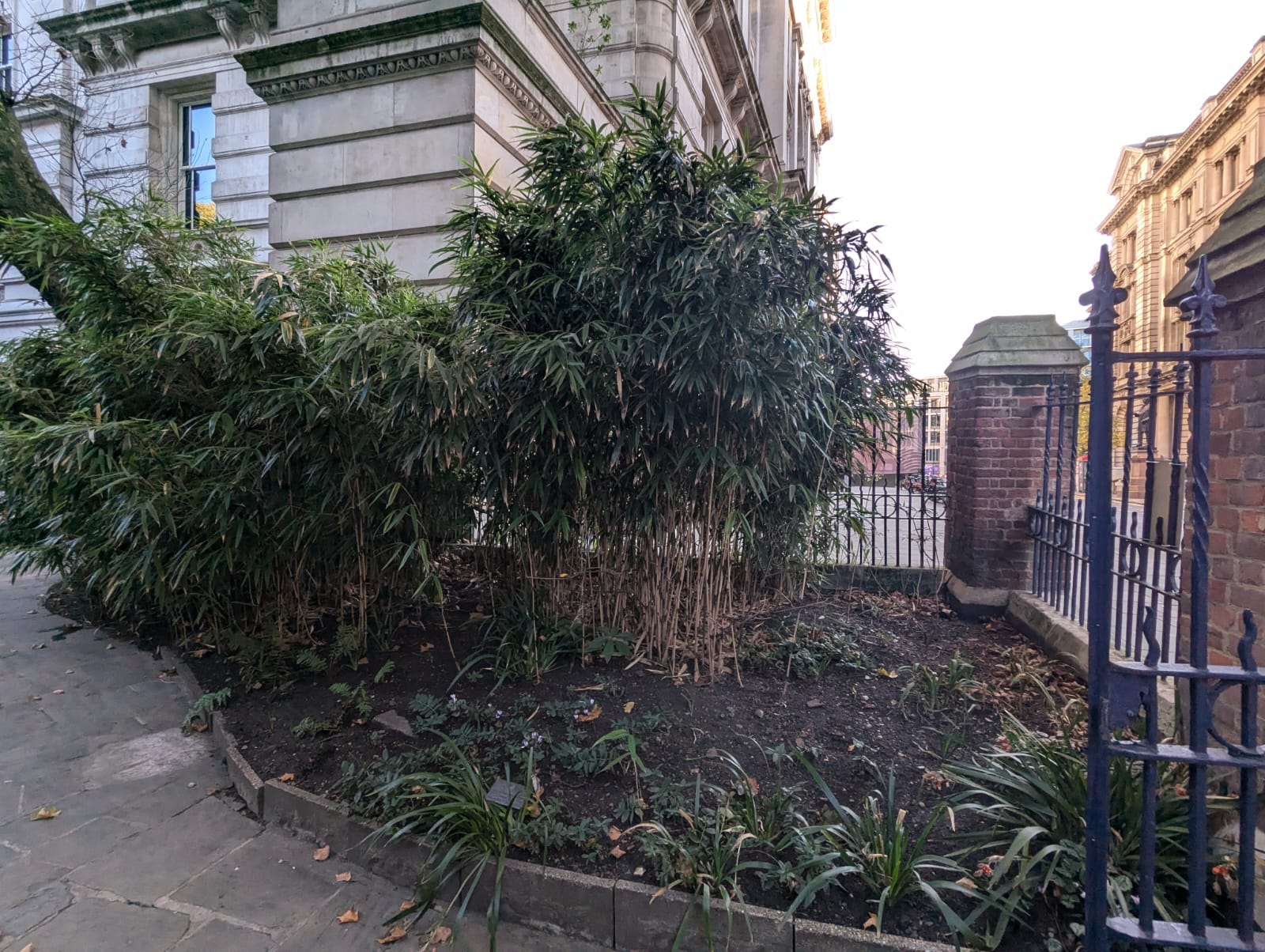
The Gardens Rewilding project is translating its smaller-scale rewilding principles into tangible actions across various green spaces. They've focused on planting native wildflowers, ferns, trees, and shrubs to create diverse habitats for pollinators, birds, butterflies, and other fauna. This is particularly evident in spaces such as Bunhill Fields, where there has been a focus on creating species-rich meadows and enhancing woodland areas.
LettsSafari’s blueprint for creating what we call ‘safari gardens’ generally advocates 3 core habitats in a micro-space (wild grasses, a micro-wood and open scrub). Smaller-scale rewilding projects, as they expand, will need to be careful not to focus on one type of habitat alone - in the end such mono-cultures might not bring the benefits we seek, the sustainability required and can more quickly collapse in on themselves. After all diversity is the mother of all invention when it comes to nature restoration - no matter how micro the space.
Creating Your Very Own Safari Garden - A 4 Part Series

Preparing for spring often means entering our garden for the first time since winter ravaged it. This year might prove to be the opportunity to do something different. Something a little more eco. We call it the Safari Garden.
In the City of London project there have also been attempts centred on introducing wildflower species into existing grass areas, creating a more natural and biodiverse environment. This approach is currently being implemented in locations like Cheapside and Sunken Gardens, where planting was completed in 2022, with the spaces now being kept protected to allow for natural growth. This means that certain areas are blocked from human interaction. We are also excited about the sunken wild meadows at the Tower of London.
Rewilding London: The Tower of London's Moat

London's Tower was once the most intimidating building in the ancient capital of the British Kingdom. Now it's a popular tourist trap, offering a view into England's once cruel punishments. Perhaps though it has transcended its ignominious history - over the last two years it has become a symbol of London's rewilding future. We visited it to understand …
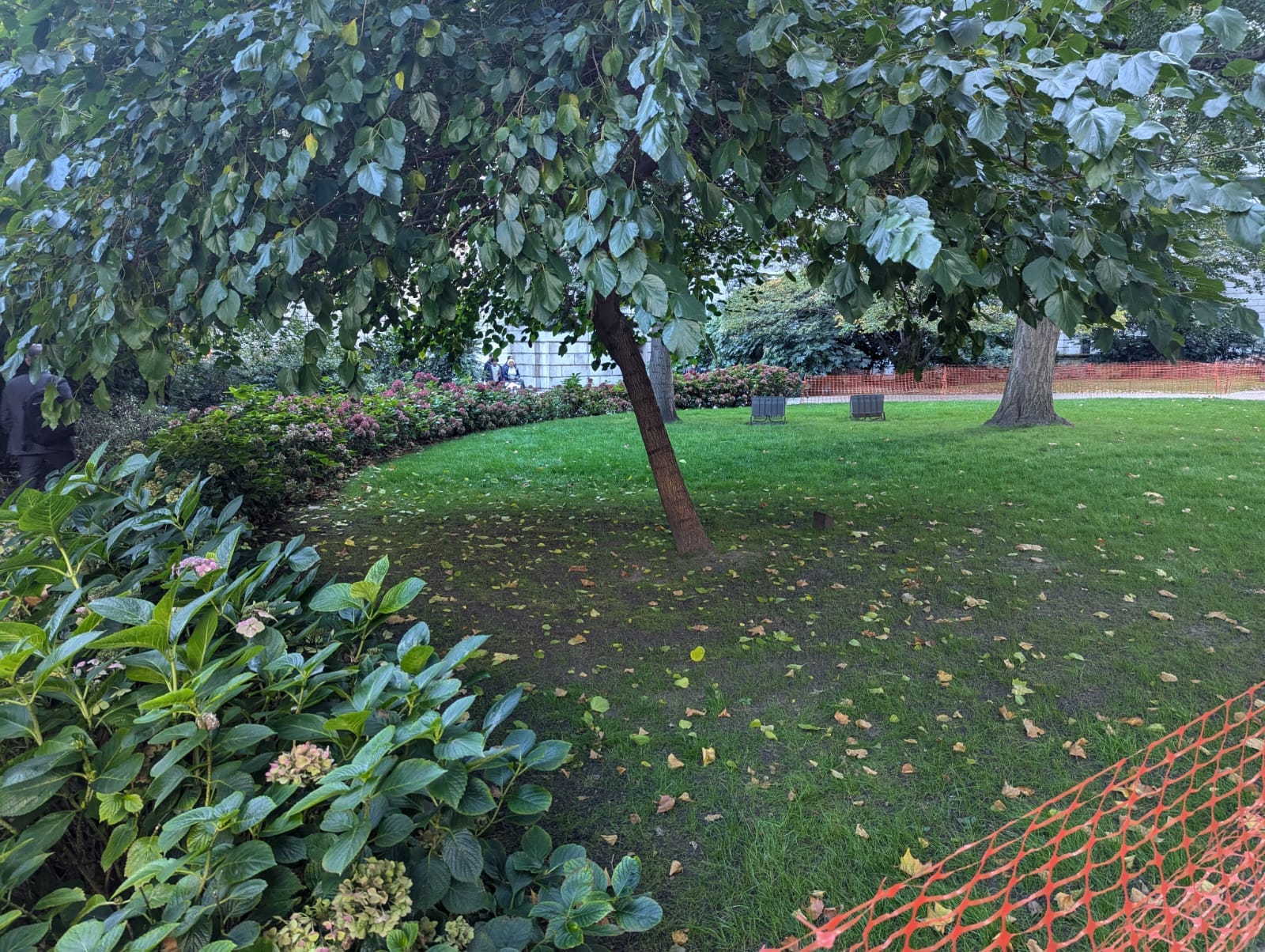
The city is also targeting habitats that will encourage the growth of specific wildlife groups. For instance, there is an initiative to reintroduce nesting sites for ground-nesting bees or installing standing water features to attract various species. The latest update to the Rewilding London board mentions plans for delivering outdoor learning sessions on topics like ecology and woodland management. This educational outreach is a key aspect of the project, aiming to foster a connection between the community and the rewilding efforts. It also fits in nicely with the WWF’s new campaign ‘a daily dose of nature’.
The limited space in the city has posed significant challenges to the development of the gardens projects. Given the dense development of the heart of London, as well as the historic significance of many of the spaces in the square mile, it has proven difficult to maintain a singular approach. By focusing on a local and cooperative approach the City of London is aiming to mitigate this difficulty by focusing on several small spaces at once, but naturally this does restrict the ability to make sweeping changes that could generate the reintroduction of some animal species.
At LettsSafari, we have fostered and inspired hundreds of projects around Exeter, the South Hams, East Devon, Taunton, Bristol and increasingly in London. We call it the ‘wild’ ripple effect.
The city's approach combining historical spaces, such as the London Wall, and historical wildlife, and a 1000 year old oak tree that has been a centrepiece of restoration as the oldest tree left in the city, remind us of the work at LettsSafari's Dawlish Park. A 1000 year old yew tree sits just 50 meters from Dawlish Park's rewilded meadows in a corner a mere stone throw from its historic ice house.
Today LettsSafari and our showcase gardens, the wild Capability Brown gardens in Exeter, are teaming up with historic parks and gardens across the country to restore ancient trees and their seed bank. It may not be long before our baby redwoods appear in Wimbledon Park!
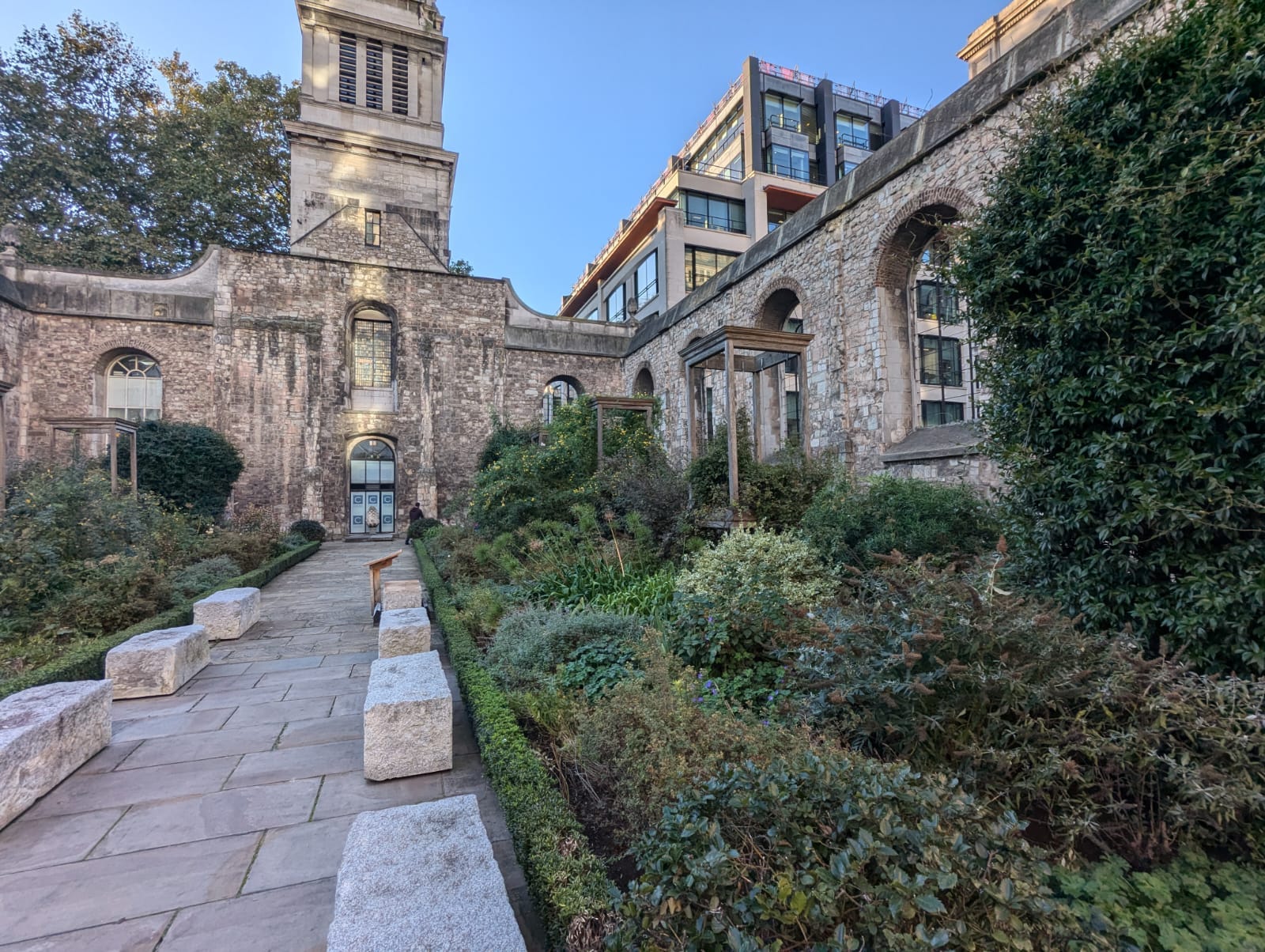
The City of London's work has not only contributed to the conservation of wildlife but has also had a positive impact on the local environment. By restoring habitats, and with its soil, the city is creating an effective carbon sink. An essential feature of a rewilding project that we carefully nurture in every one of our rewilded safari parks. And projects that efficiently sequester carbon back into the soil can provide carbon neutral or negative sites to offset the carbon production in surrounding spaces. Circular indeed.
There is more to be done, especially expanding the green spaces of the City of London, however the City of London Gardens Rewilding project has demonstrated that smaller-scale rewilding can be a successful strategy for creating green spaces in urban areas. There are nearly 23 million residential gardens in the UK, accounting for 5% of our land. There are also more than 27,000 public parks and green spaces across the UK. The combination could make a serious contribution to the UK’s goal of restoring 30% of its land by 2030 - something that is currently being highlighted at the 2024 United Nations Biodiversity Conference in Cali.
How to Design Your LettsSafari Garden

Safari gardens are the future. A future that embraces rewilding and wildlife gardening - creating places that restore our depleted biodiversity. Spaces that remove carbon and clean the air. Havens for wildlife and nature. Here’s a simple blueprint for designing your very own LettsSafari garden.
“But, more than ever it’s up to us.”
By restoring natural processes and promoting biodiversity, such initiatives can contribute to more sustainable and resilient cities. A key objective for LettsSafari.
As the climate crisis continues, the need for rewilding initiatives becomes increasingly urgent. By restoring natural ecosystems, we can help to mitigate the effects of climate change, protect biodiversity, and create healthier and more resilient communities. Our work, along with the City of London Gardens Rewilding project, demonstrates the potential of smaller-scale rewilding to make a significant difference in our urban environments.
Get more LettsSafari updates and wildlife photos from our twitter. And read the latest posts at the LettsSafari + website.