


You don’t need a huge garden to make a difference for pollinators.
A few pots on a balcony, a window box, a small patch of grass or a community garden can all provide food for bees, butterflies and other insects. The key is choosing plants that provide nectar and pollen, and thinking about what will be flowering at different times of the year.
Here are some plants to consider if you want to make your city garden more pollinator-friendly.
Spring
Early spring can be a difficult time for pollinators, when there are fewer flowers around and many insects are just becoming active again.
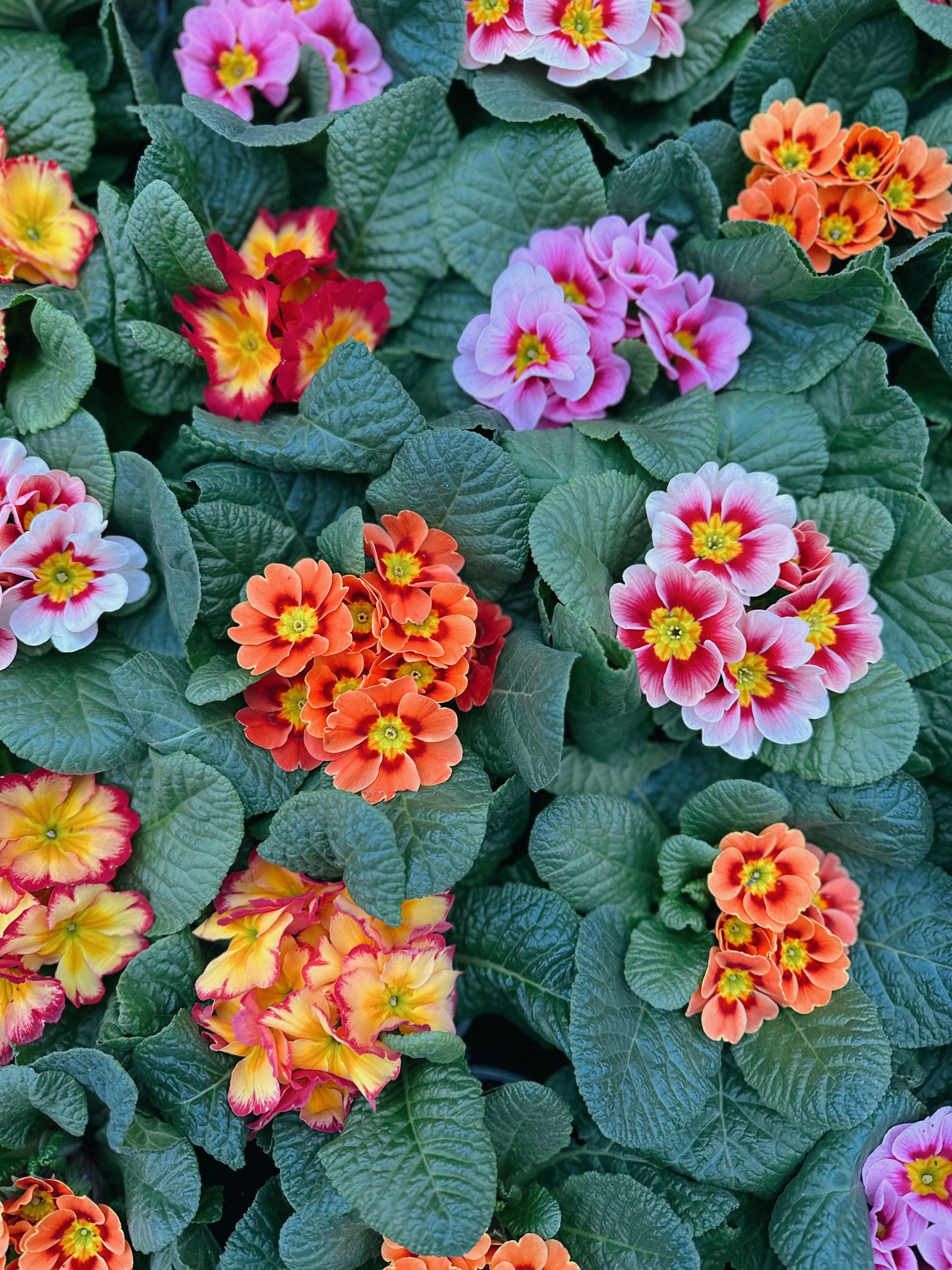
Plants such as crocuses, snowdrops and primroses can provide an early source of food. Borage is another useful choice and can continue flowering into summer.
If you have space, planting a mixture of bulbs and early-flowering plants means there can be something available as soon as temperatures begin to rise.
Summer
Summer brings plenty of options.
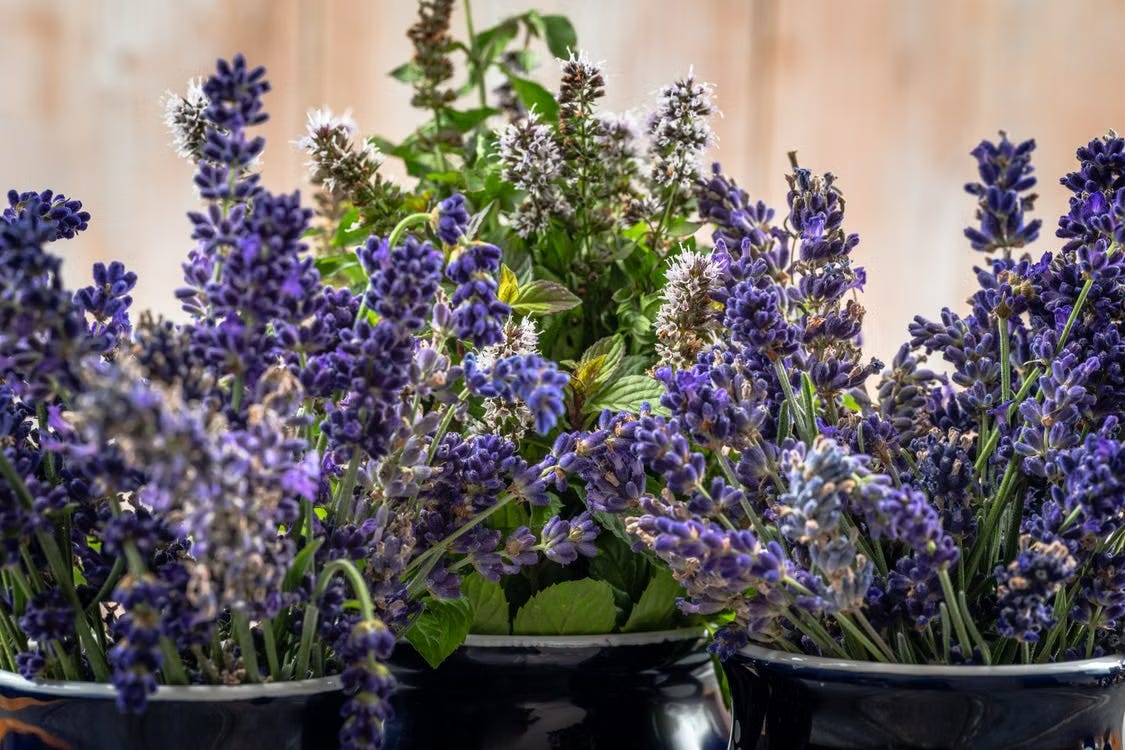
Lavender is a popular choice for bees and can work well in pots as well as borders. Foxgloves, thyme, oregano and marjoram can also attract pollinators, while plants such as verbena and scabious can provide nectar for bees and butterflies.
Try to plant a mixture rather than relying on one type of flower. Having different shapes, colours and flowering periods can help attract a wider range of insects.
Autumn
As summer flowers begin to fade, it’s important to keep something flowering into autumn.
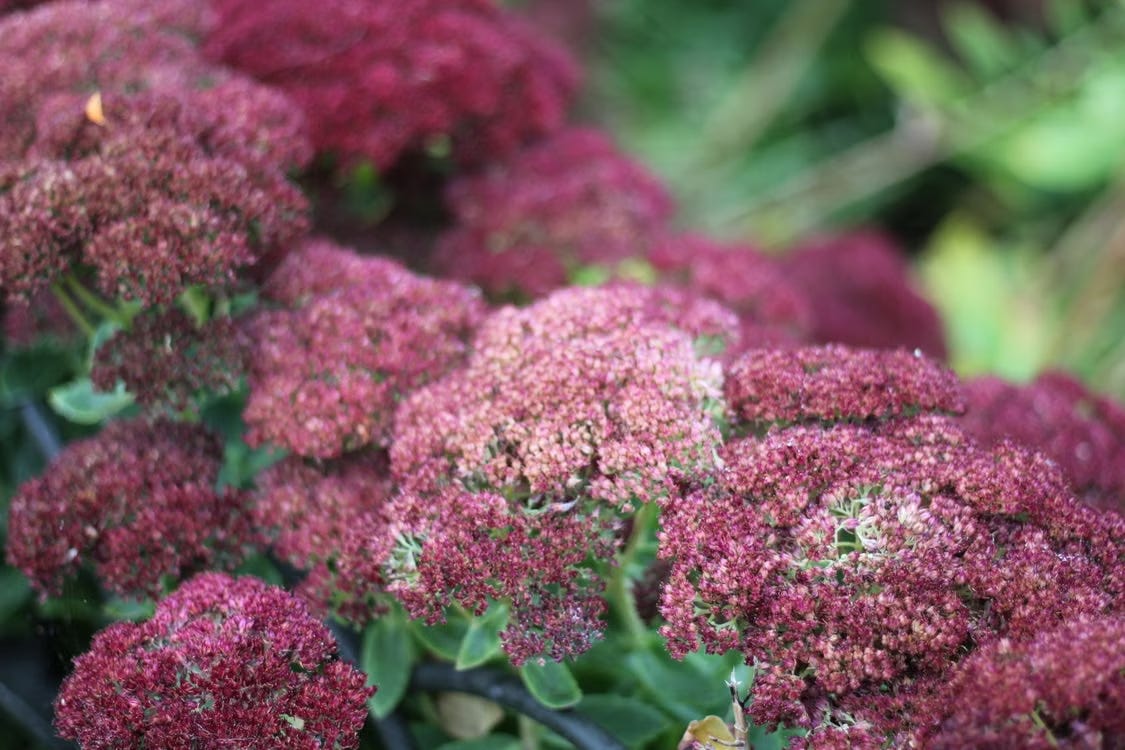
Ivy is particularly valuable at this time of year, providing late-season flowers for insects as well as shelter and berries for birds. Sedums and asters are also good options for extending the flowering season.
Autumn is also a good time to start thinking about what you’ll plant for next spring. Many bulbs can be planted in autumn, ready to provide an early source of nectar once winter ends.
Winter
There aren’t as many flowering plants available in winter, but there are still some options.
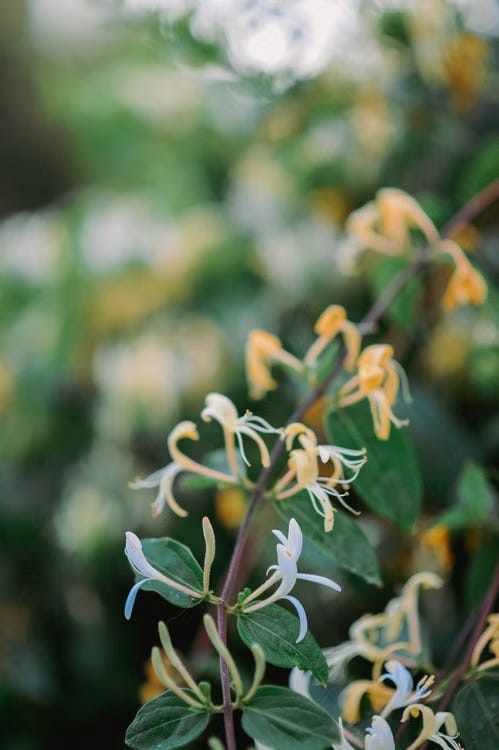
Winter-flowering heather and winter honeysuckle can provide food when there isn’t much else around. If you have a sheltered space, they can be a useful addition to a wildlife-friendly garden.
But helping pollinators isn’t only about planting flowers.
Leaving some areas of your garden a little less tidy can provide important places for insects to shelter through the colder months. Fallen leaves, hollow stems, dead wood and undisturbed soil can all provide habitat.
Don’t have a garden?
You can still help!
A few pots on a balcony or windowsill can provide valuable food for pollinators. Choose a couple of plants with different flowering periods and avoid using pesticides where possible.
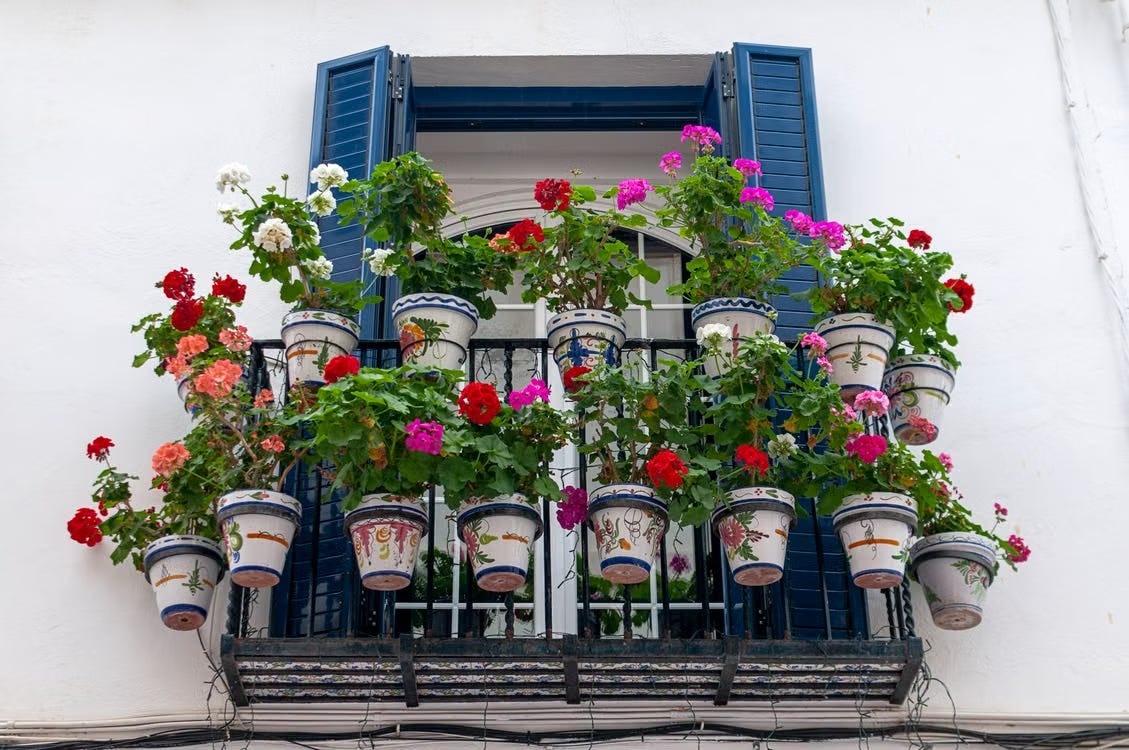
You could also get involved with a local community garden or help improve a shared green space. These spaces can provide much larger areas of habitat when lots of people contribute.
🐝 Think beyond individual plants
One of the easiest ways to make a garden more useful for pollinators is to think about it as a whole habitat rather than simply a collection of flowers!
Try to have something flowering across as much of the year as possible, include different types of plants and leave some areas undisturbed.
And don’t worry about making everything perfect. A garden with a few wild corners can be much more useful to wildlife than one that’s constantly cut back and tidied.
Whether it’s a balcony in a city centre or a small garden at home, every bit of planting can give pollinators another place to feed.