


When we think about places for wildlife in cities, cemeteries probably aren’t the first places that come to mind.
But if you look a little closer and they can be some of the most valuable green spaces in an urban area!
Take St Pancras and Islington Cemetery
In East Finchley, Saint Pancras and Islington Cemetery covers more than 60 hectares and is recognised as a Site of Importance for Nature Conservation.
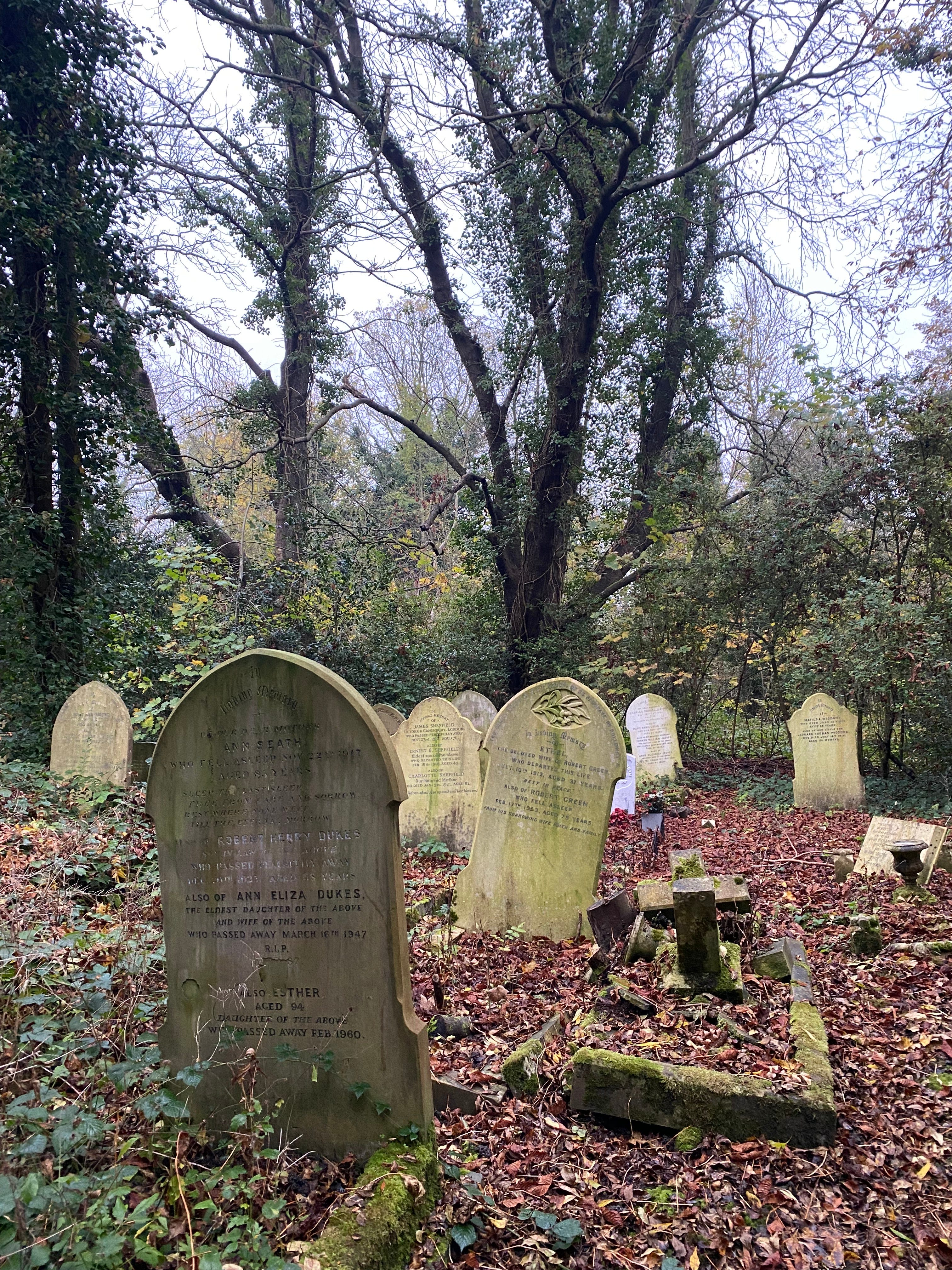
It’s home to a mix of woodland, open grassland and wetland, as well as a section of the Strawberry Vale Brook. Some areas that are no longer actively used for burials have been allowed to develop into scrub and secondary woodland, creating more space for wildlife.
The woodland contains oak, hawthorn, willow, ash and sycamore, while the ground layer includes bluebells, cuckoo flowers, wild strawberries and other plants.
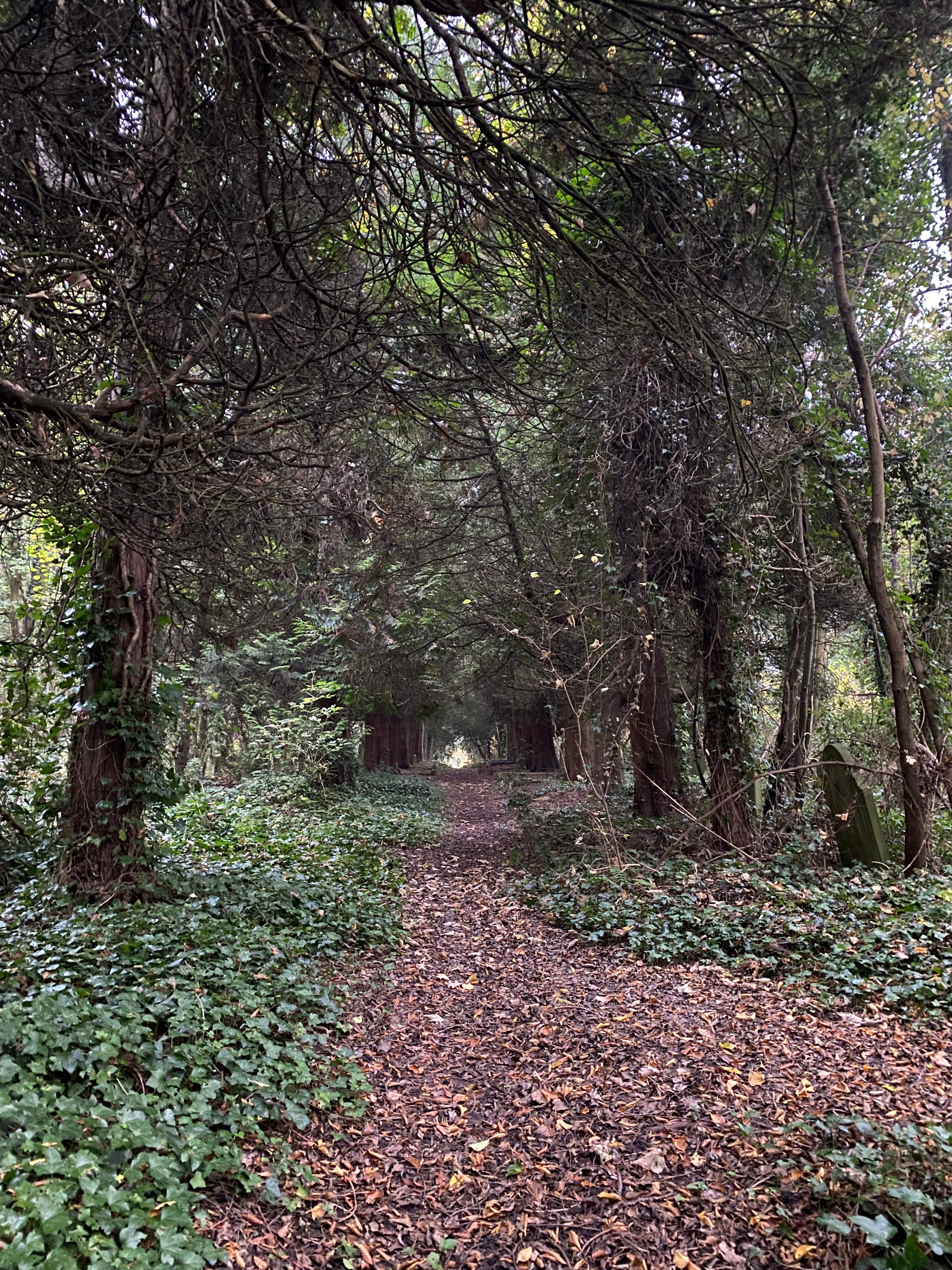
The cemetery also supports birds including green and great spotted woodpeckers, treecreepers, goldcrests and kestrels. Muntjac deer have also been recorded visiting the site!
Why does this matter?
London has limited green space, so every habitat counts.
Cemeteries can provide mature trees, undisturbed areas, grassland and vegetation within places where wildlife might otherwise have very little room.
They can also connect with other urban green spaces, helping create a wider network of habitats across the city.
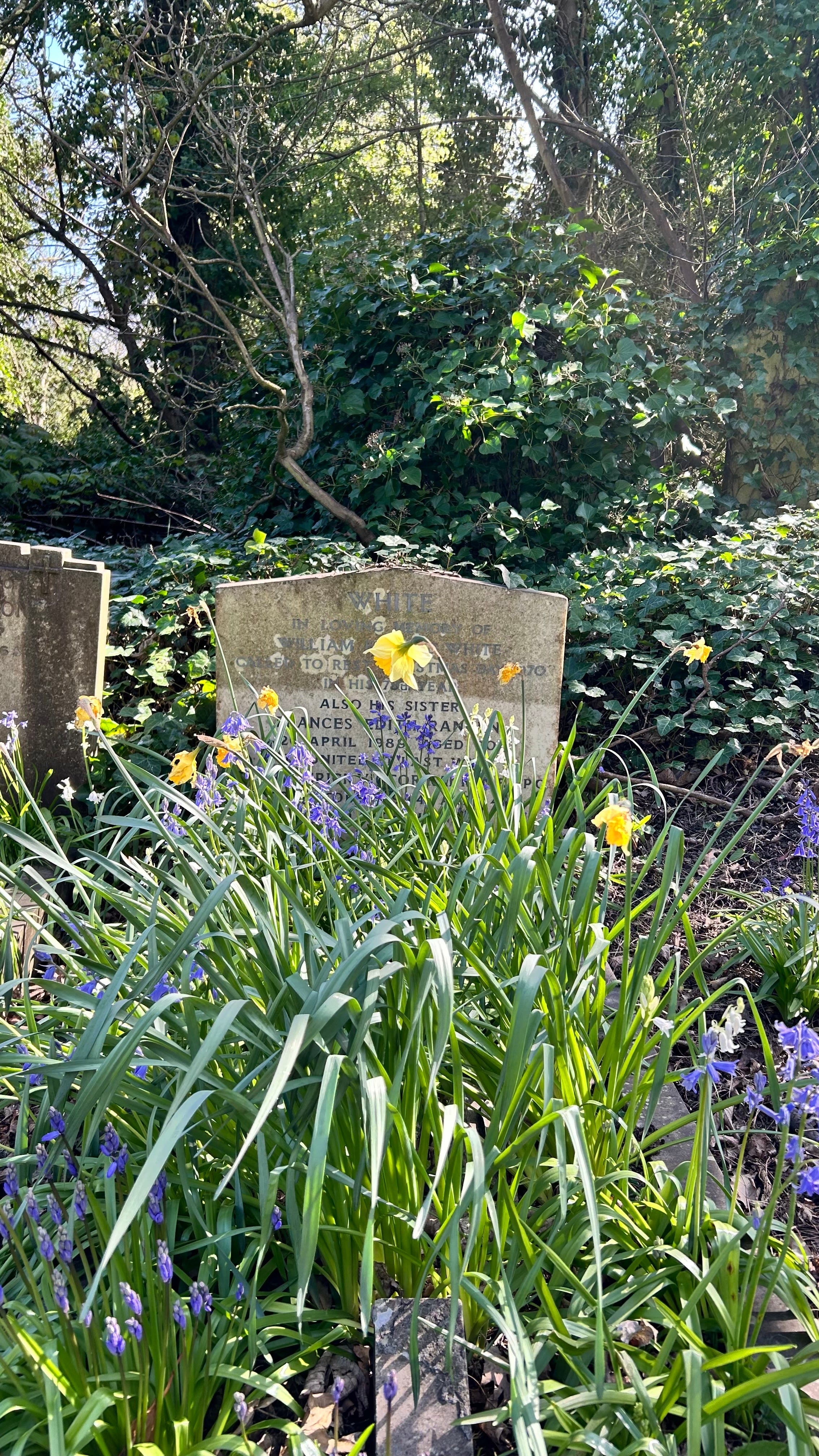
And importantly, they don’t need to be completely rewilded to benefit wildlife.
Simply managing some areas differently, leaving parts of grass longer, protecting mature trees and creating habitats such as log piles or bird and bat boxes can make a difference. Islington Council has specifically identified its cemeteries as places where existing wildlife habitats can be protected and extended.
Looking at cemeteries differently
A cemetery can be a place of remembrance while also being a living habitat.
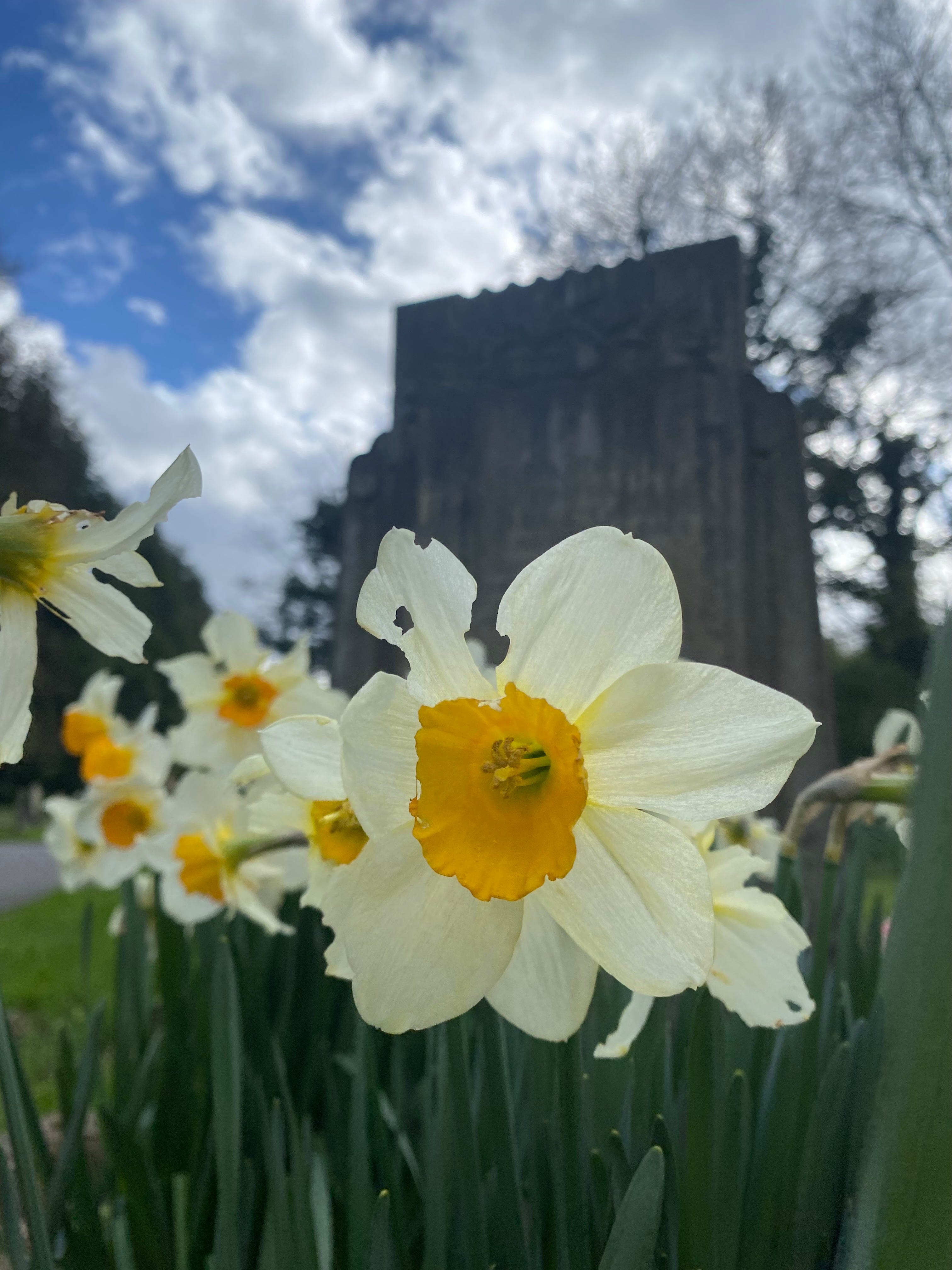
Next time you walk through one, look beyond the gravestones. Look at the trees, the plants growing between the paths, the birds in the canopy and what’s happening on the woodland floor.
There might be far more wildlife there than you expect.
Do you have a cemetery or churchyard near you that’s become a haven for wildlife?