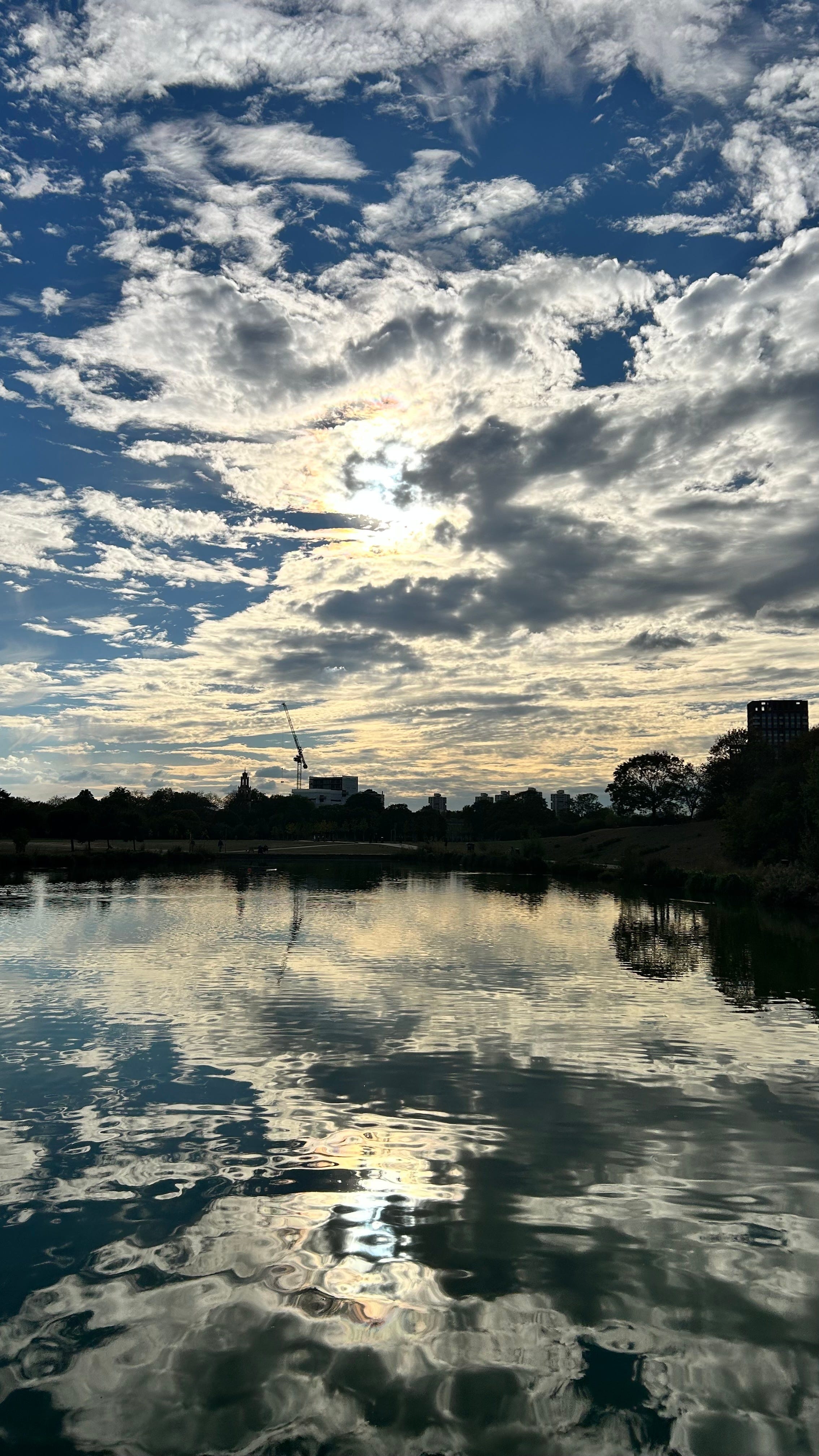
When we think about bringing more nature into cities, we often think about planting trees, creating wildflower patches or adding more green spaces. But water matters just as much.
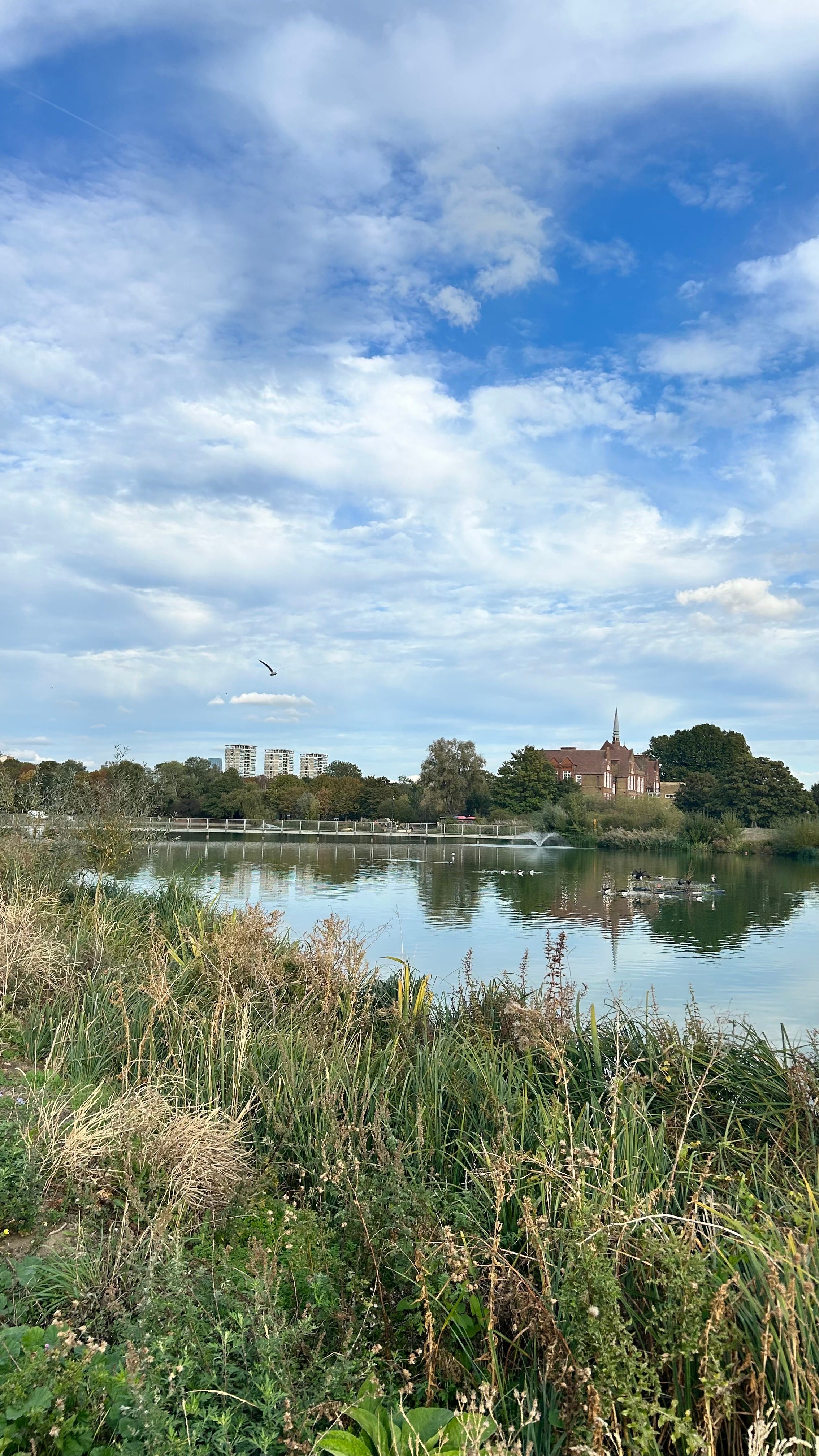
Ponds create habitats for wildlife that might otherwise struggle to find a home in built-up areas. Even a small pond can provide food, shelter and breeding grounds for a range of species.
More than just water
Ponds support dragonflies, damselflies, frogs, toads and aquatic insects. Birds use them for drinking and bathing, while bats can feed on insects flying above the surface.
The plants around the edges are important, too, providing food and shelter for wildlife. A mix of aquatic plants, shallow edges and surrounding vegetation can help turn a simple pond into a thriving habitat.
Urban nature in action: Burgess Park
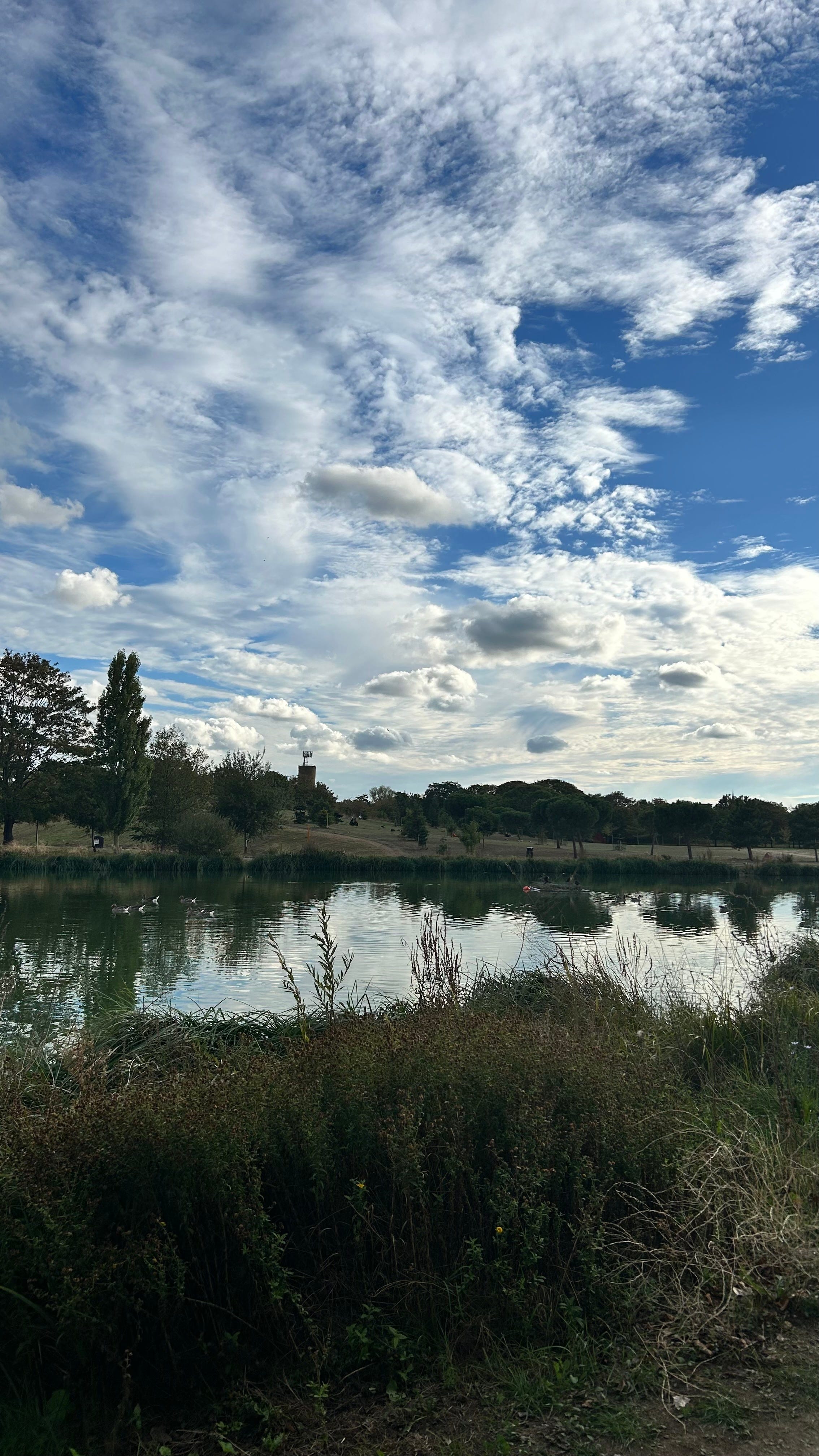
London’s Burgess Park is a good example of how water can become part of a built-up environment. Its central lake and wildlife pond sit within a vibrant urban parkland, providing habitat for waterbirds, amphibians, and aquatic life.
Nearby planted margins and reed beds support local biodiversity, while local community groups and park volunteers help care for the surrounding green spaces, showing how community involvement can keep urban habitats thriving.
Creating space for nature
You don’t need a huge garden to help. A small wildlife pond in a suitable outdoor space can provide another habitat, while community gardens and local parks offer opportunities to get involved.
Choose suitable plants, avoid pesticides near the water and include shallow edges so wildlife can access it safely. If you don’t have outdoor space of your own, you could volunteer with a local group or help care for an existing pond.
Rewilding doesn’t always mean transforming a huge area of land. Sometimes it’s about recognising what’s missing and creating opportunities for nature to return.
Every pond adds another place for wildlife to thrive. And across our cities, these small habitats can become part of something much bigger.