


From recycled planters to wildlife shelters, a community project in Oxfordshire shows how even the smallest outdoor spaces can become havens for nature.
You don’t need acres of countryside to make a difference to wildlife. Sometimes, all it takes is a few planters, an old sink and a willingness to let nature move in.
That’s exactly what’s happening in Faringdon, Oxfordshire, where residents of Oakwood House and children from a local primary school have worked together to turn underused communal spaces into thriving wildlife-friendly gardens.
The project, featured in a recent Community First Oxfordshire article, includes pollinator-friendly plants, recycled wooden planters, a wildlife water feature made from an old sink and a large insect hotel.
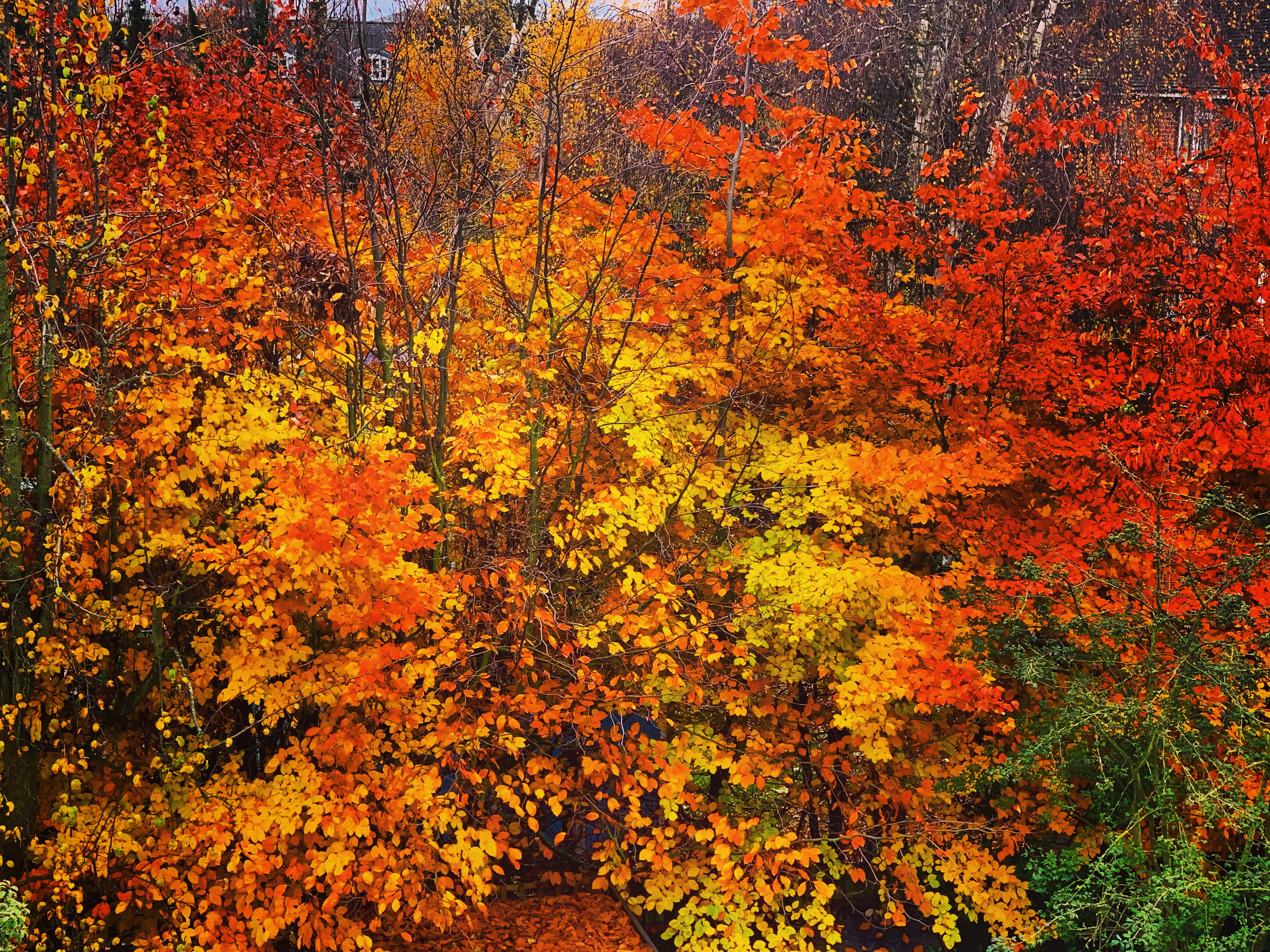
It’s a wonderful example of smaller-scale urban rewilding in action. And with autumn underway, it’s also a useful reminder that now is an excellent time to prepare our gardens, balconies and community spaces for wildlife.
Here are five practical ways to get started.
1. Leave the leaves (at least some of them)
Best for: Gardens, courtyards and shared green spaces.
One of the easiest ways to support wildlife this autumn is to do a little less tidying. Fallen leaves provide shelter for insects, spiders and other invertebrates, while hedgehogs may use piles of leaves as nesting material. As leaves decompose, they also help enrich the soil.
What to do this October:
Rake leaves off paths and lawns where necessary, but move some into garden borders or beneath hedges.
Create a small leaf pile in a quiet, sheltered corner.
Leave some dead plant stems standing over winter to provide insect habitat.
Avoid piling leaves over delicate plants or blocking drainage. The aim isn’t to abandon your garden, just to make a little more room for nature.
2. Plant now for spring pollinators
Best for: Balconies, window boxes, patios and small gardens.
Autumn is a great time to plant spring-flowering bulbs. These can provide valuable nectar and pollen for early-emerging insects when relatively few other flowers are available. Even a few containers can help.
What to do this October:
Plant crocuses and grape hyacinths in pots or borders.
Choose single-flowered varieties that allow pollinators to reach the flowers.
Use peat-free compost and containers with drainage holes.
Consider native spring-flowering plants such as primroses for suitable shady spaces.
Plant bulbs at the recommended depth and check that your chosen species are appropriate for your local conditions.
The Oxfordshire project demonstrates how carefully chosen plants can support wildlife in both sunny courtyards and shady corners.
3. Build a wildlife shelter from recycled materials
Best for: Gardens, patios and communal outdoor spaces.
Wildlife needs somewhere to shelter, especially as temperatures fall. At Oakwood House, volunteers created a large bug hotel using their gardening skills and recycled materials. You can achieve something similar on a much smaller scale.
What to do this October:
Gather untreated wood, hollow stems and dry natural materials.
Create a small, sheltered pile of logs and twigs.
Leave hollow plant stems standing rather than cutting everything back.
Place your shelter somewhere relatively dry and protected from disturbance.
For solitary bees, purpose-built nesting tubes need careful design and regular maintenance. A simple log pile or undisturbed patch of vegetation can be an easier starting point. And remember: the best wildlife habitat isn’t always the tidiest. Nature tends to appreciate a little organised chaos.
4. Add a wildlife-friendly water source
Best for: Almost any outdoor space, including balconies.
Birds, insects and small mammals all need access to water, including during autumn and winter. The Oxfordshire community demonstrated a creative solution by transforming an old sink into a wildlife water feature. You don’t need anything quite so ambitious.
What to do this October:
Place a shallow dish of clean water in a sheltered outdoor location.
Add a few stones so insects can land and escape safely.
Refresh the water regularly and clean the container.
If creating a pond, provide gently sloping edges or secure escape routes for wildlife.
Even a small water source can be a useful addition to a wildlife-friendly space.
5. Turn rewilding into a community activity
Best for: Shared gardens, apartment buildings, schools and neighbourhoods.
Perhaps the most inspiring part of the Faringdon project isn’t just the wildlife gardening. It’s the people involved. Older residents and primary school children worked together to design, plant and improve their communal spaces. The project has helped residents build friendships and establish a gardening group that will continue looking after the space.
How to start something similar:
Identify an overlooked outdoor area in your neighbourhood.
Speak with neighbours, residents’ associations or local community groups.
Start with one manageable activity, such as planting bulbs or creating a wildlife corner.
Involve children and older residents in planning and planting.
Agree who will maintain the space and how it will be cared for throughout the year.
Always get permission before making changes to communal or public land.
A small project can create a lasting habitat while bringing neighbours together around something positive.
How LettsSafari helps you make a bigger difference
At LettsSafari, we believe that bringing nature back shouldn’t be complicated or reserved for people with large gardens and plenty of time. Small actions at home are a great starting point. But we also know that wildlife needs connected habitats and healthy ecosystems beyond our own back gardens. That’s why LettsSafari combines practical advice for everyday rewilding with subscriptions that help fund nature recovery projects in Devon. Our approach makes it easier for people to contribute to rewilding in two complementary ways:
Rewild where you live. Create wildlife-friendly spaces in gardens, balconies and local communities using simple, accessible ideas.
Support wider nature recovery. Become a LettsSafari subscriber and help fund practical rewilding efforts that restore habitats and support biodiversity.
Our subscription model links collective participation to tangible environmental commitments, including tree planting, wildlife support and the ambition to create new nature parks as membership grows. You don’t have to choose between helping wildlife at home and supporting the restoration of larger natural spaces. You can do both.
And sometimes, the biggest change starts in the smallest corner.